What Home Insurance Covers for Water Mitigation
What Home Insurance Covers for Water Mitigation -Hawthorne, CA
Water damage can happen unexpectedly, whether from a burst pipe, heavy rainfall, or an appliance malfunction. When disaster strikes, water mitigation—minimizing and repairing the damage—is critical to protecting your home. However, understanding what your home insurance covers in these situations can be confusing.
In this blog, we’ll break down what most home insurance policies cover for water mitigation and what you need to know to avoid surprises during an emergency.
Understanding Water Damage and Insurance Coverage
Most standard home insurance policies cover water damage that is sudden and accidental. This means damage caused by events like a burst pipe or an appliance leak may be covered. However, insurance policies generally exclude water damage resulting from neglect, maintenance issues, or flooding.
It’s essential to read your policy carefully and understand its specific terms and conditions. Here’s a closer look at what is typically covered.
Water Damage Covered by Home Insurance
- Burst Pipes
If a pipe bursts unexpectedly and causes water damage, your home insurance policy will usually cover both the cost of water mitigation and repairs to affected areas. - Appliance Leaks
Damage caused by leaking appliances, such as washing machines or dishwashers, is generally covered if the leak is sudden and accidental. - Roof Leaks (Storm-Related)
If a storm damages your roof and causes water to enter your home, most policies will cover the resulting water damage and mitigation efforts. - Accidental Sewer Backups (with Endorsement)
Some insurance policies offer optional endorsements for sewer backups. If you’ve added this coverage to your policy, it may pay for water mitigation and cleanup from sewer or drain overflows. - Ice Dams
Damage caused by ice dams—when ice buildup prevents proper water drainage from your roof—is often covered, as long as the issue is not due to neglect. - Overflowing Plumbing Fixtures
Water damage from overflowing sinks, tubs, or toilets is typically covered if it results from a sudden issue, like a blocked pipe.
What Home Insurance Does NOT Cover
- Flood Damage
Flooding caused by rising water, whether from heavy rainfall or overflowing rivers, is not covered under standard home insurance policies. Separate flood insurance is required for this type of damage. - Gradual Damage or Neglect
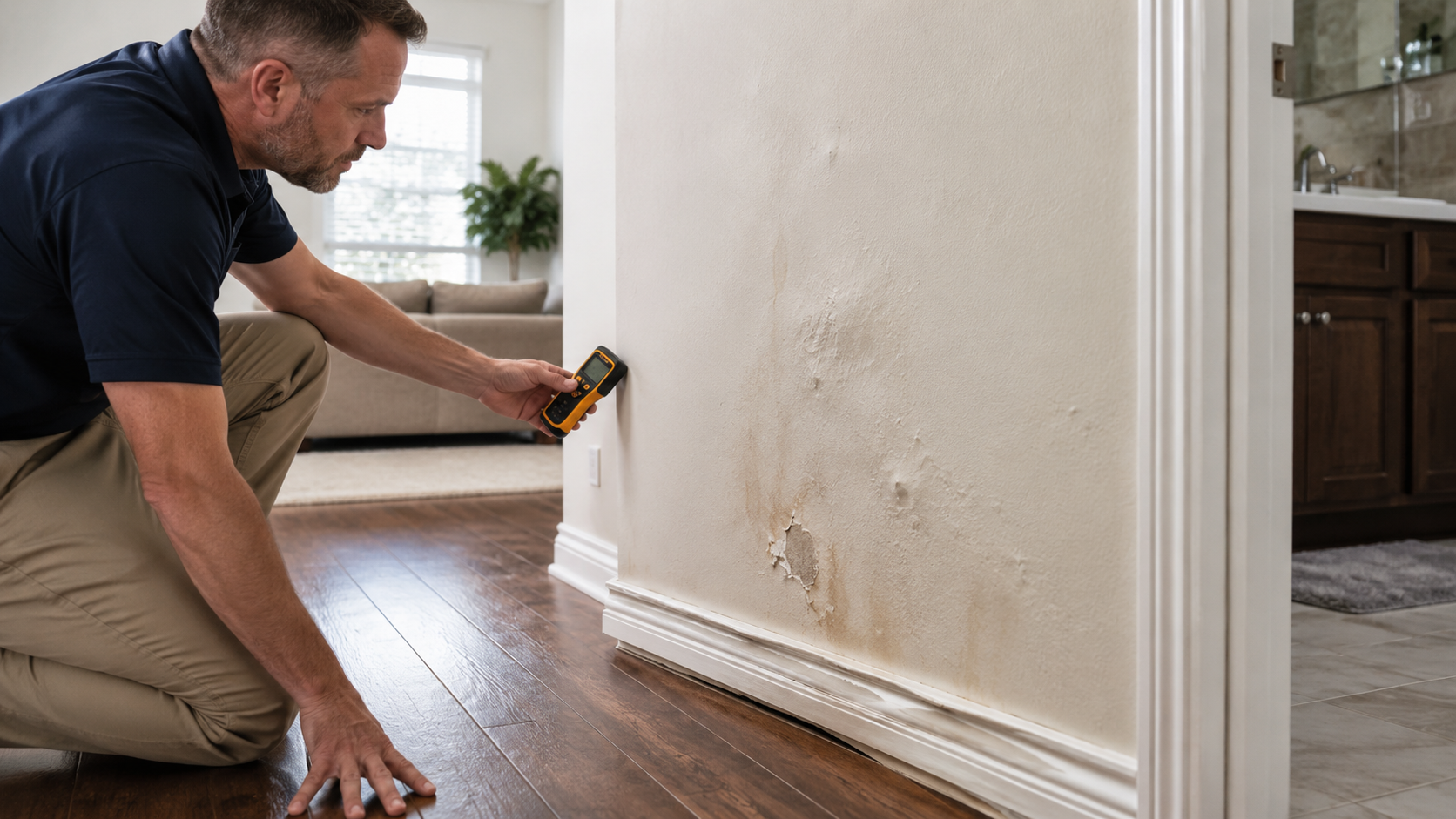
Damage from long-term issues, like a slow leak or poor maintenance, is considered the homeowner's responsibility and is not covered. - Sump Pump Failures (Without Endorsement)
If your sump pump fails and causes water damage, it is only covered if you have a specific sump pump failure endorsement. - Mold Caused by Neglected Water Damage
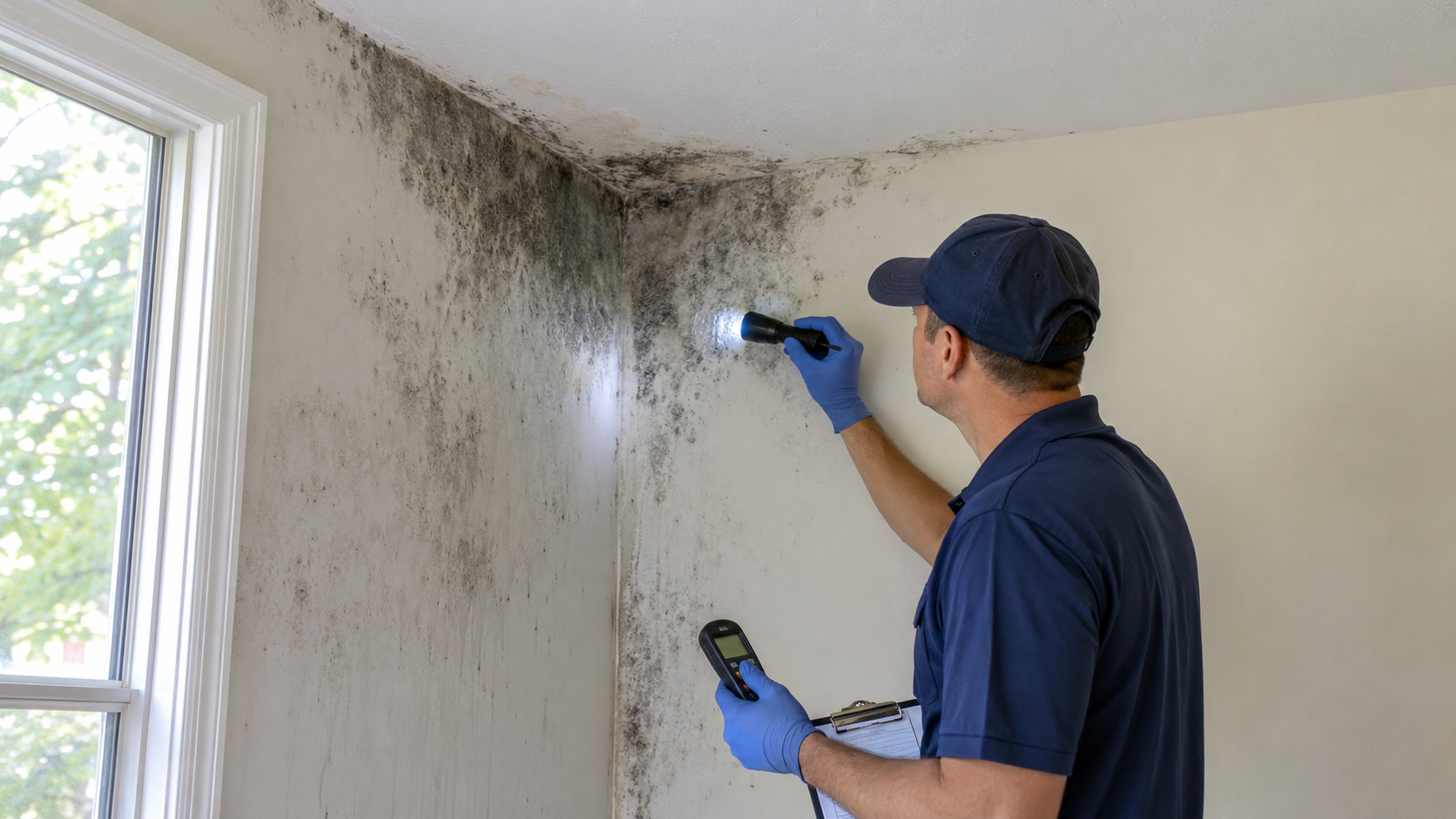
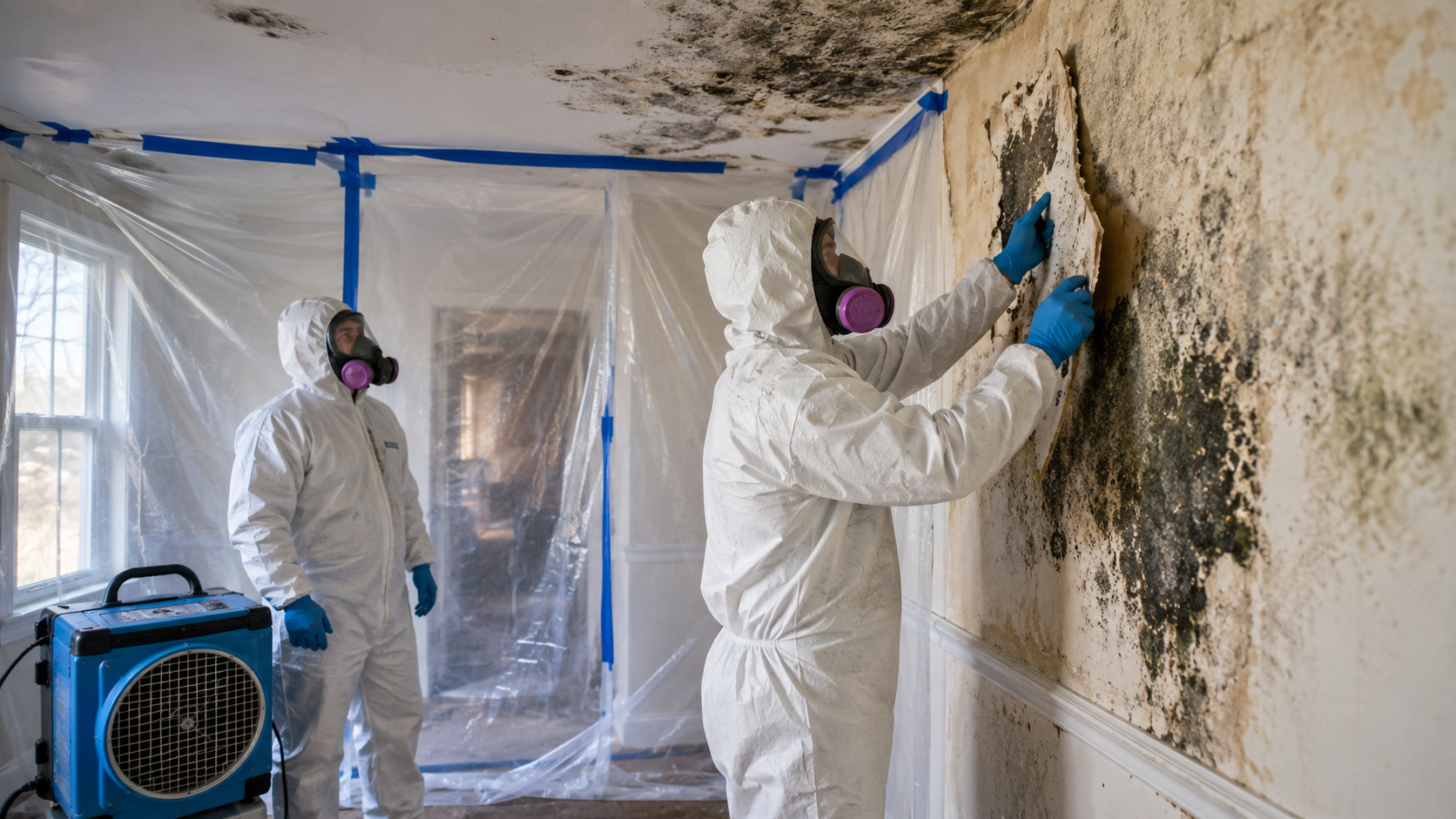
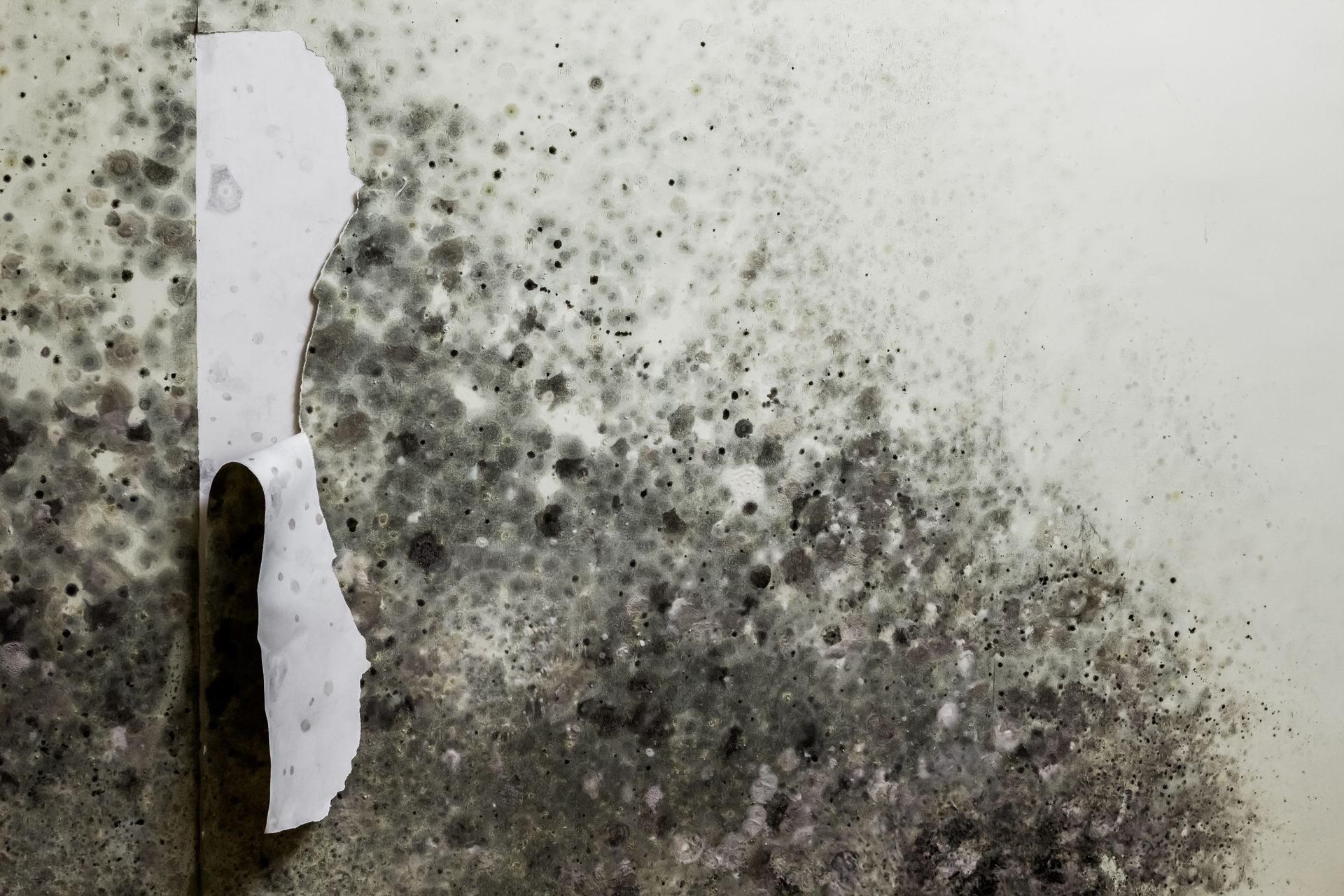
If water damage leads to mold due to a delay in addressing the problem, your policy may exclude coverage for mold remediation.
What Is Covered in Water Mitigation?
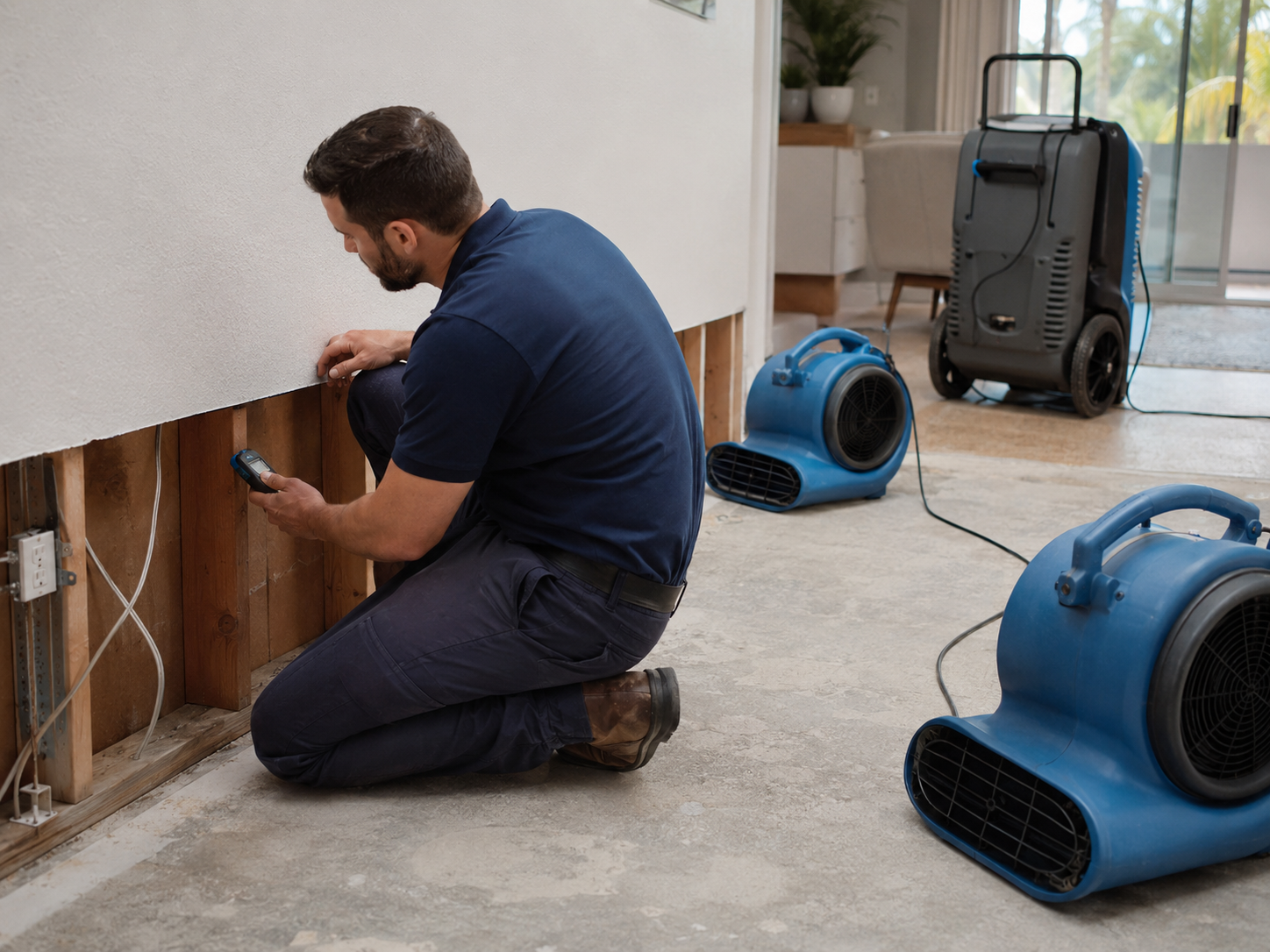
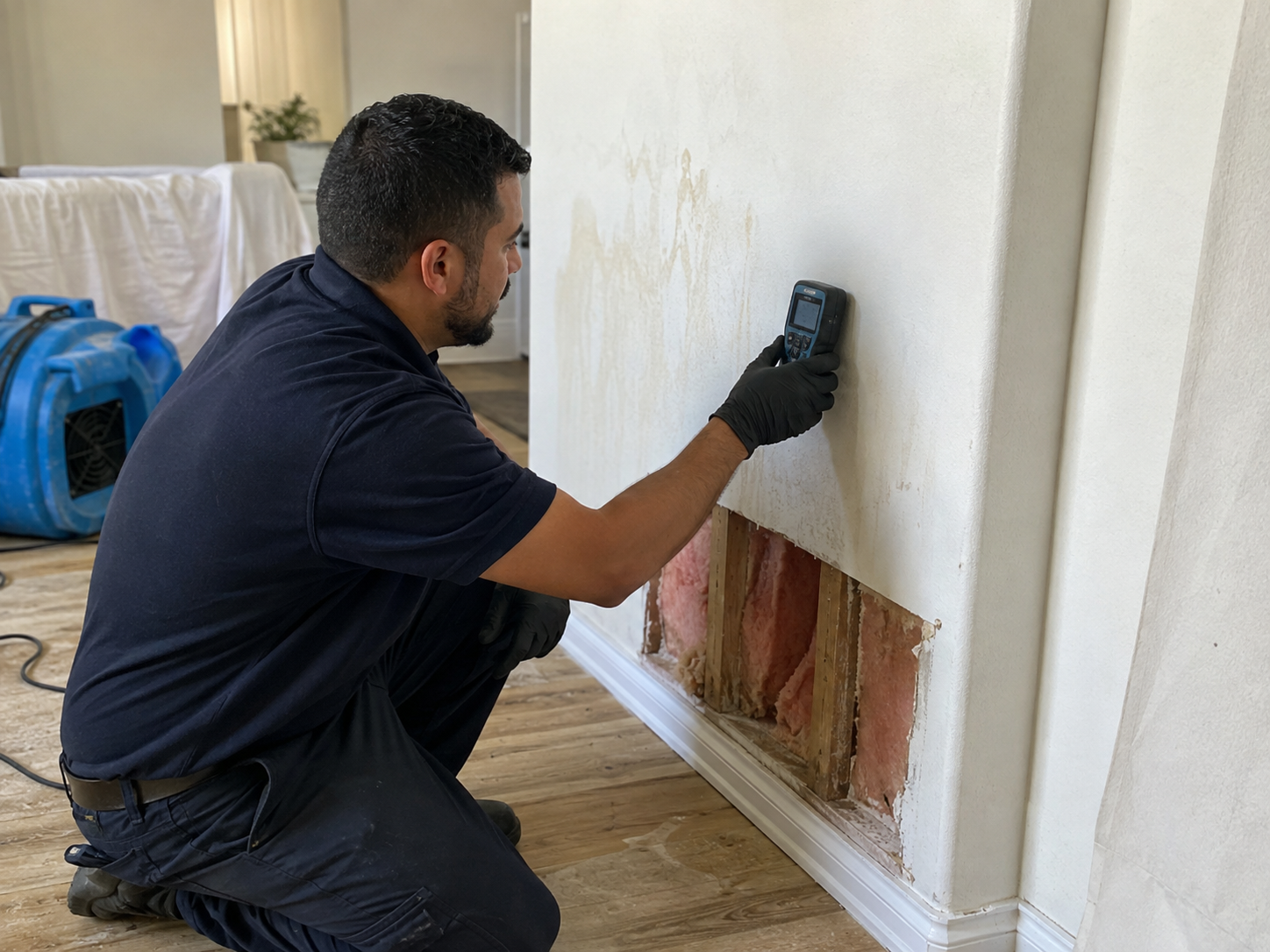
If your water damage is covered, your insurance policy may pay for the following water mitigation services:
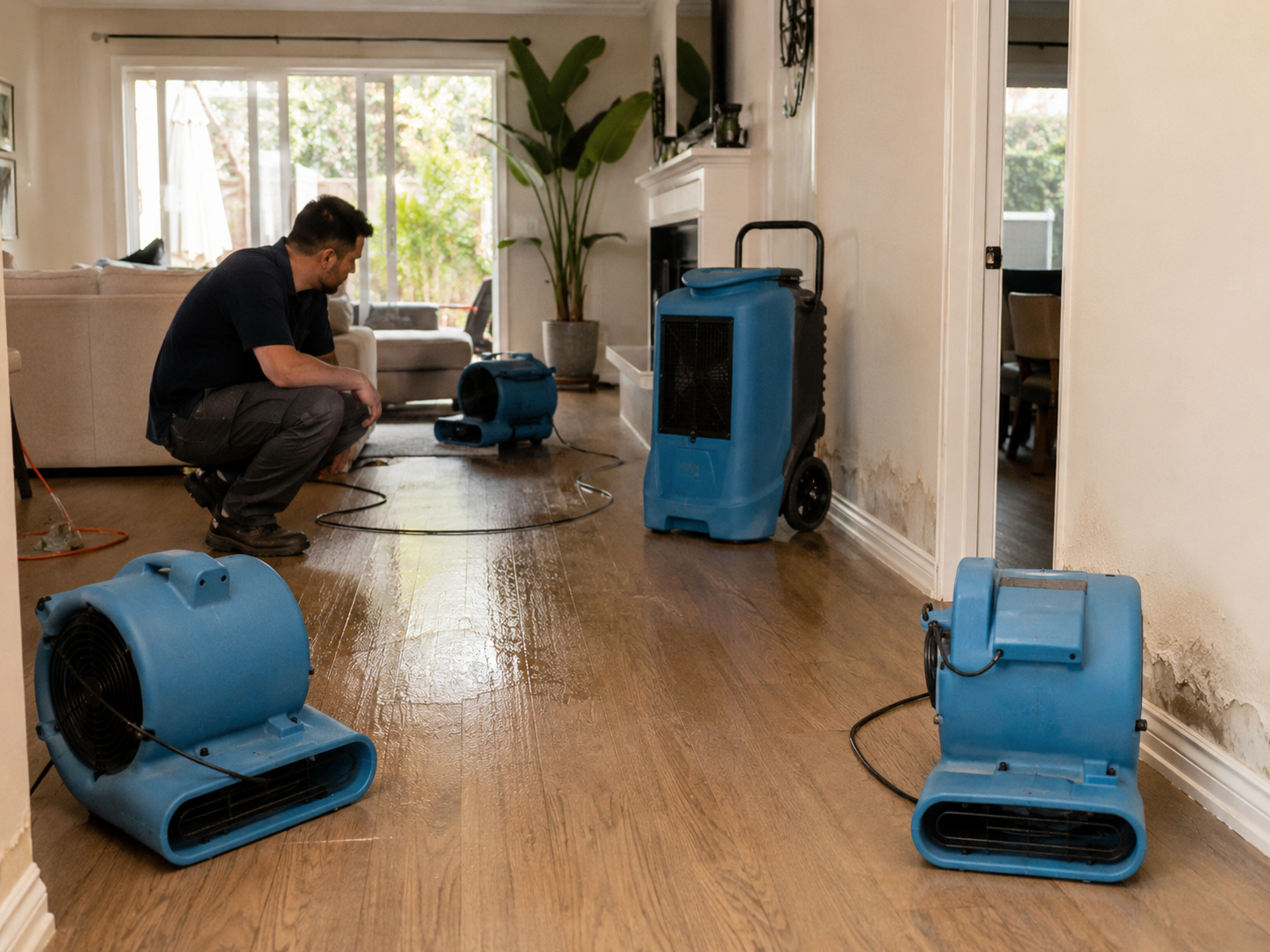
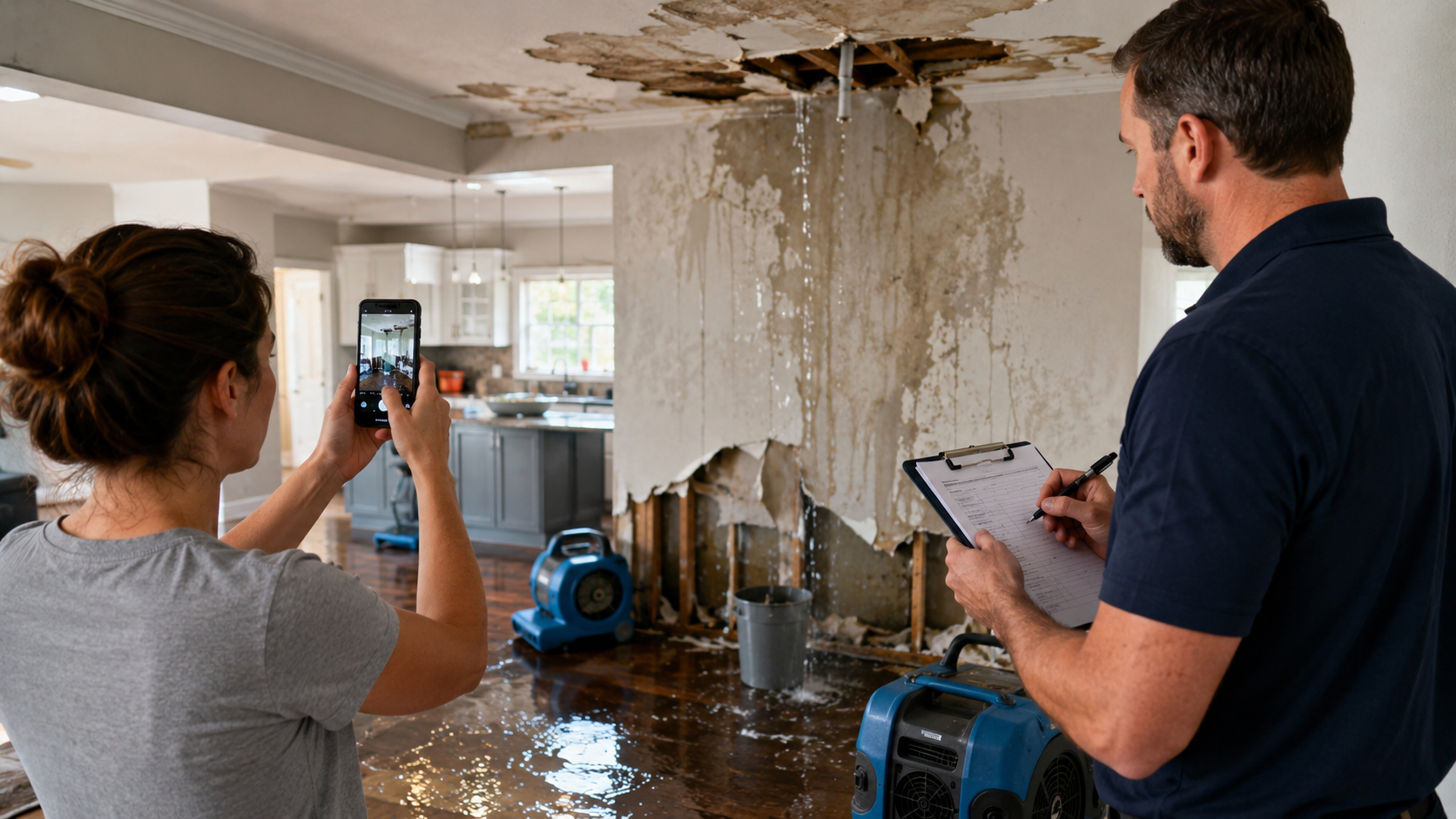
- Water Extraction: Removing standing water from the affected areas.
- Drying and Dehumidifying: Ensuring no moisture is left behind to prevent further damage or mold growth.
- Cleaning and Sanitization: Disinfecting the area to ensure a safe environment.
- Restoration of Damaged Areas: Repairs to floors, walls, or other structural elements damaged by water.
Your policy will also cover the costs of temporary housing if the damage makes your home uninhabitable.
How to Ensure Proper Coverage
- Review Your Policy Regularly
Understand what your home insurance covers and what exclusions or limitations apply. - Consider Endorsements
Add optional endorsements, such as flood insurance or sewer backup coverage, if your home is at risk for these types of damage. - Document the Damage
Take photos and videos of the damage as soon as it occurs. This documentation will help with your claim. - Act Quickly
Notify your insurance provider immediately after water damage occurs, and start mitigation efforts as soon as possible. Delays can result in denied claims. - Work with Professionals
Hire licensed water mitigation experts, like ASAP Restoration in Hawthorne, CA, to handle the cleanup and repairs. Many insurers require work to be performed by certified professionals.
Why Choose ASAP Restoration?
At ASAP Restoration, we work closely with homeowners and insurance companies to provide comprehensive water mitigation services. Our team responds quickly to emergencies, minimizing damage and helping you navigate the insurance claim process with ease.
Our Services Include:
- 24/7 emergency response.
- Advanced water extraction and drying techniques.
- Mold prevention and remediation.
- Full restoration of affected areas.
Protect Your Home and Peace of Mind
Understanding what your home insurance covers for water mitigation can save you from unexpected expenses and ensure your property is restored properly. If water damage affects your home, ASAP Restoration in Hawthorne, CA, is here to provide expert assistance and guide you through the process.
Contact us today for reliable water mitigation services and let us help you safeguard your most valuable investment—your home.