Mold Damage in Los Angeles
Mold Damage in Los Angeles — Early Warning Signs, Hidden Risks, and the Right Way to Fix It
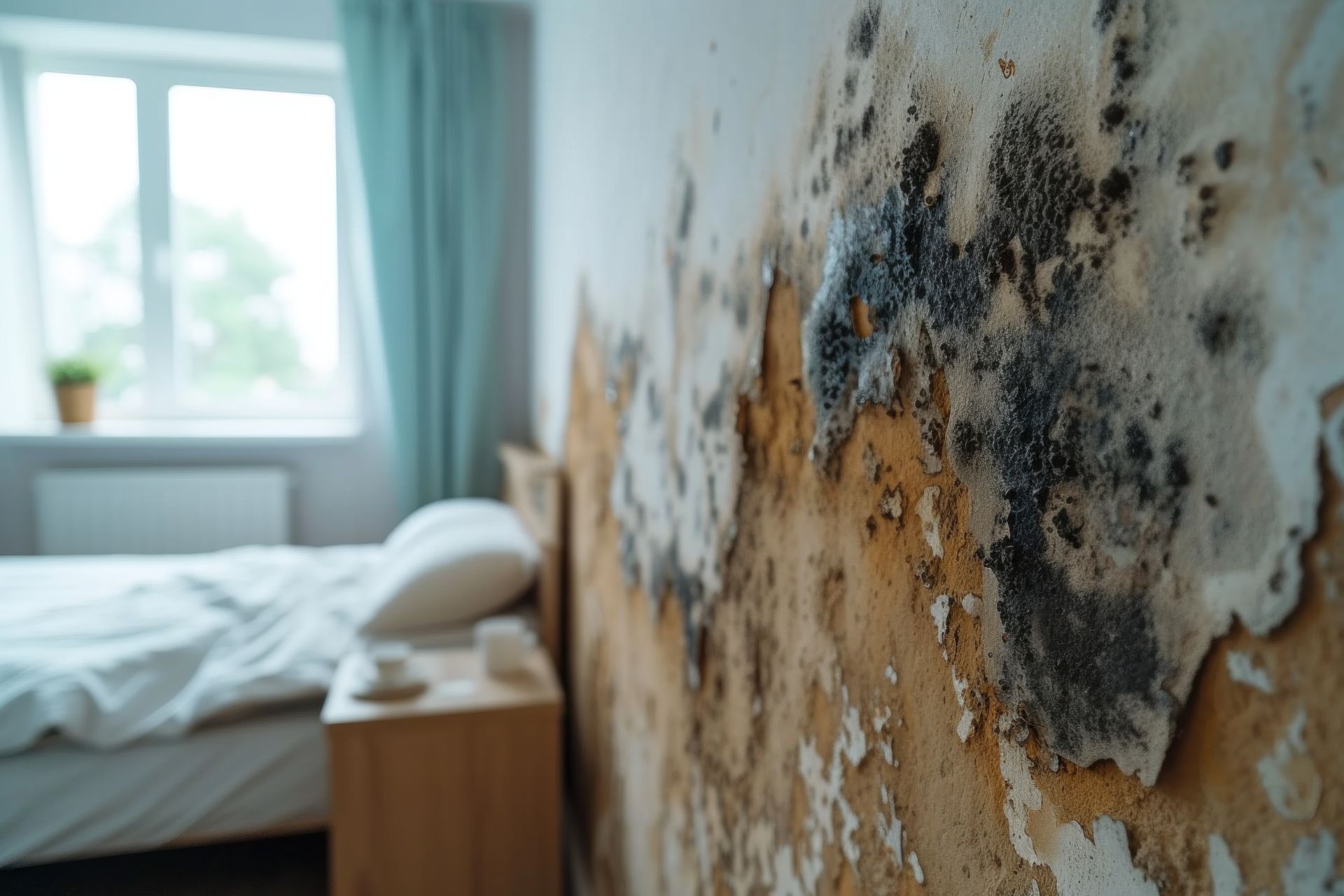
Mold damage rarely starts with a dramatic moment. Most of the time, it begins quietly—after a small leak under a sink, a slow drip behind a wall, a damp crawl space, or humidity that never fully dries out. Then one day you notice a musty odor, discoloration on drywall, or allergy-like symptoms that seem to get worse indoors. By that point, mold may already be spreading in hidden areas.
For property owners in Los Angeles, mold can be especially frustrating because it often grows out of sight and continues as long as moisture is present. ASAP Restoration Services (CA) provides 24/7 emergency response for water, fire/smoke, and mold emergencies, with certified technicians who typically arrive within 60 minutes or less in Los Angeles and surrounding areas.
What mold damage actually does to a home or building
Mold isn’t just a surface problem. When moisture lingers, mold can damage:
- Drywall and insulation (especially inside wall cavities)
- Wood framing and subfloors (long-term moisture can weaken materials)
- Paint, baseboards, and trim (staining and deterioration)
- Carpet padding and furniture (absorption and odor retention)
It can also impact indoor air quality, which is why professional remediation focuses on both removing mold and eliminating the moisture conditions that allowed it to grow.
Common causes of mold damage in Los Angeles properties
Mold needs moisture—so most mold damage traces back to one of these issues:
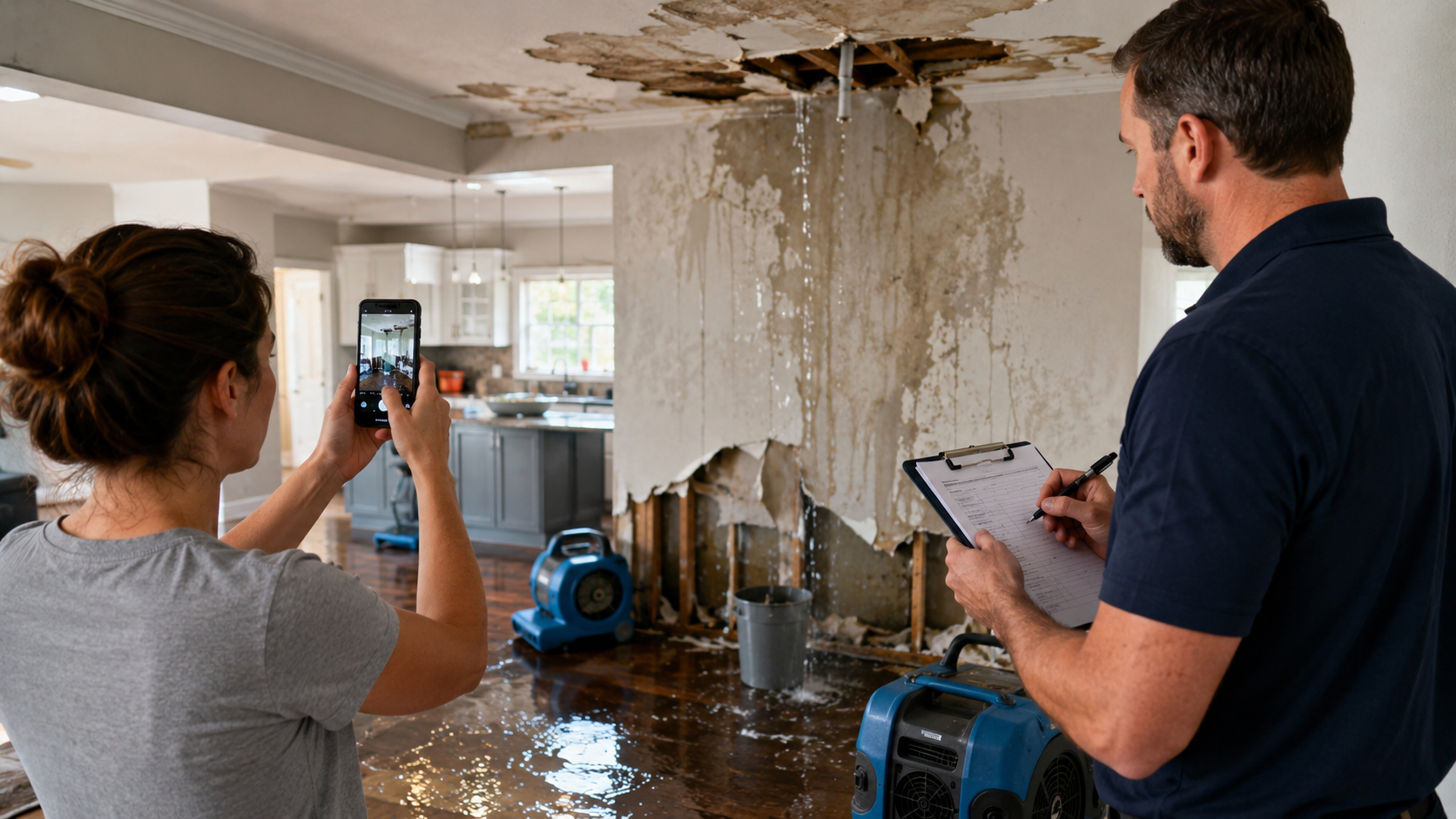
- Past water damage that wasn’t dried correctly (including hidden moisture)
- Burst pipes or supply line failures
- Bathroom humidity and poor ventilation
- Roof leaks and storm intrusion
- HVAC condensation and drain line clogs
- Appliance leaks (dishwashers, washers, refrigerators)
ASAP Restoration regularly emphasizes that mold risk rises when moisture persists after a water loss—and that prompt mitigation helps prevent bigger issues.
Early signs of mold damage
If you spot any of these, it’s worth getting a professional assessment:
- Persistent musty smells
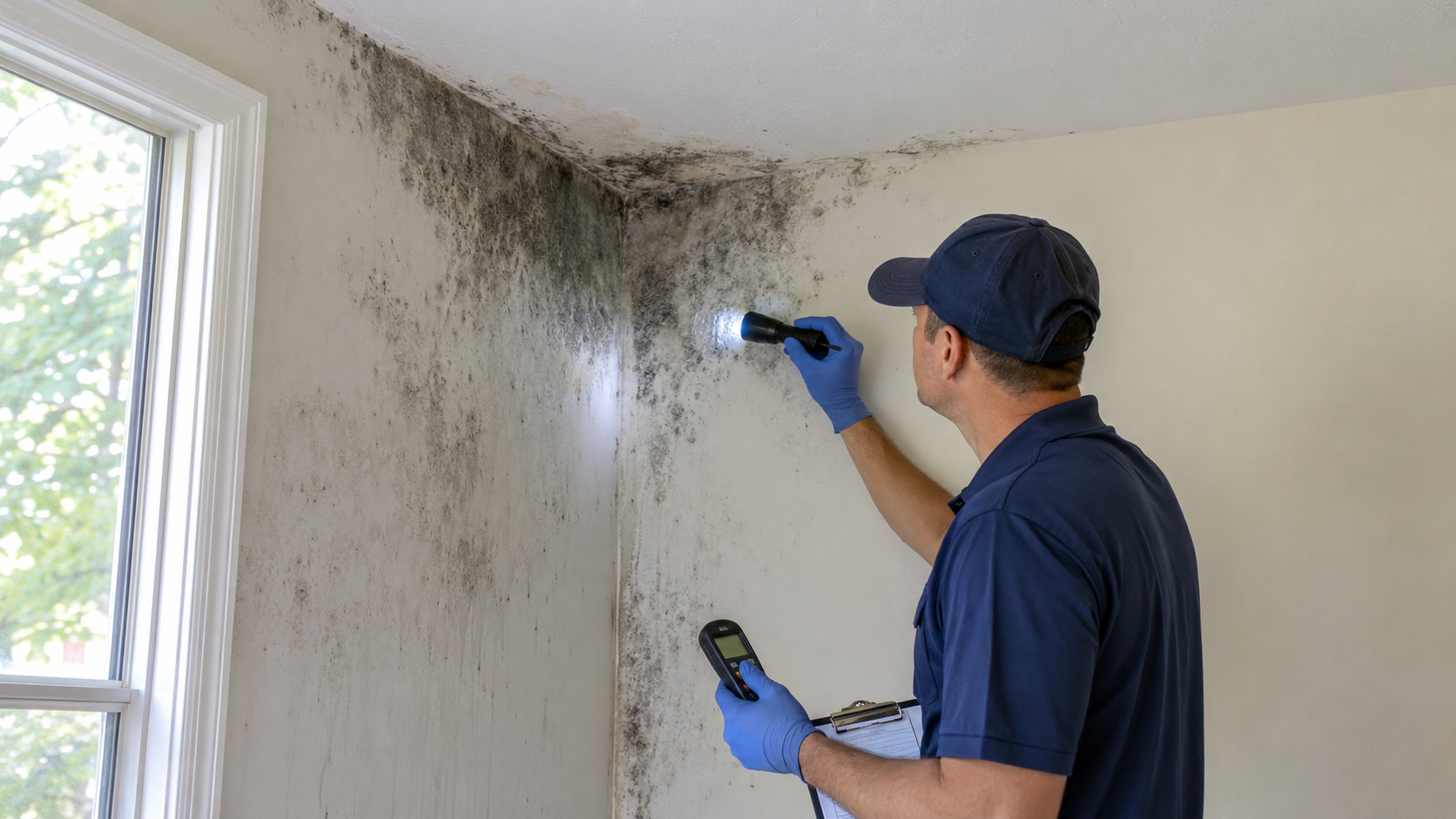
- Dark spotting on ceilings, walls, or around baseboards
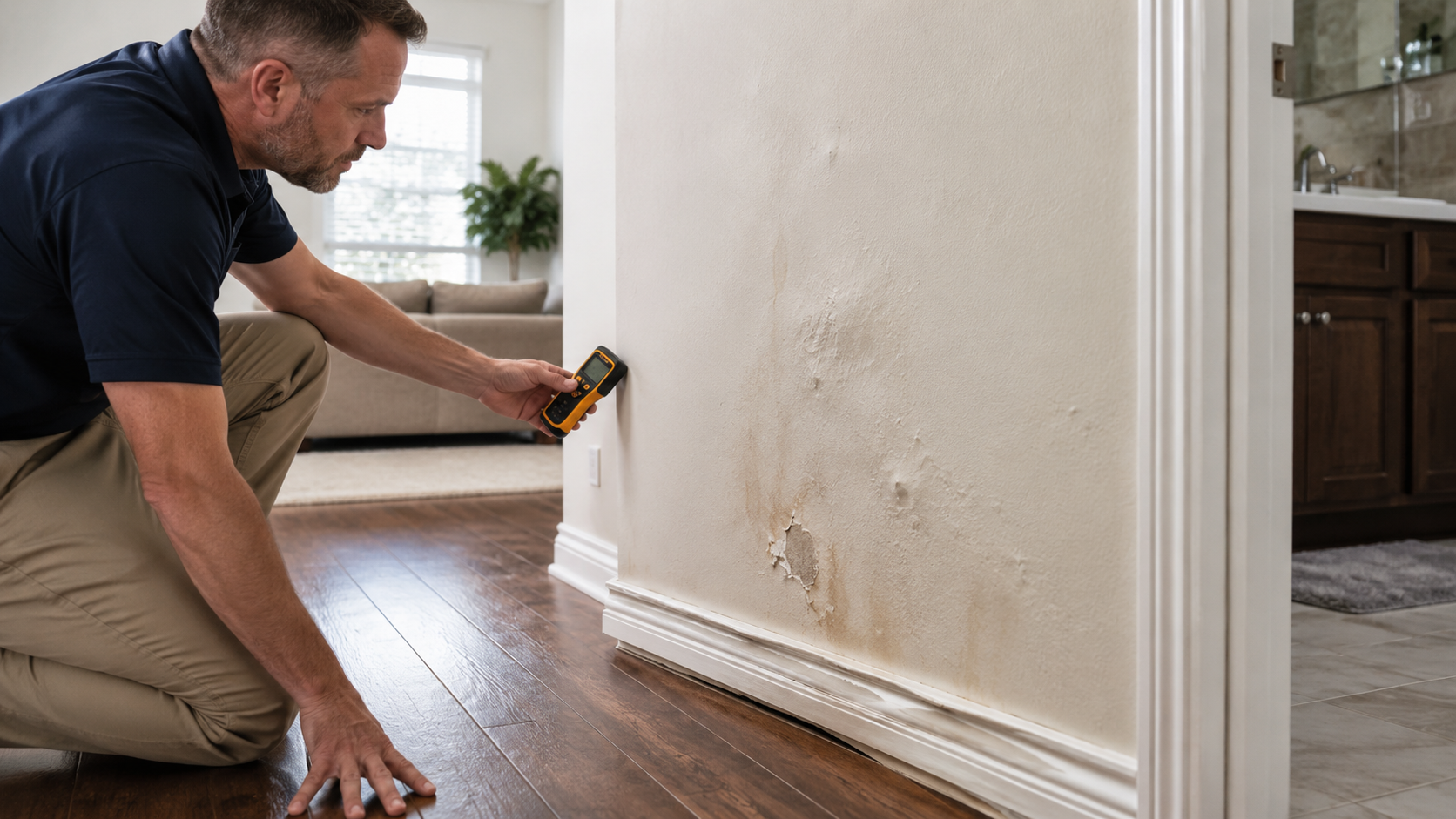
- Peeling paint or bubbling drywall
- Warped flooring or soft drywall areas
- Recurring condensation on windows or vents
- Symptoms that flare up indoors (sneezing, irritated eyes, coughing)
Even if mold is only visible in one place, there may be more growth behind the surface—especially if moisture traveled through walls or under flooring.
Why “bleach and paint” doesn’t solve mold damage
A quick wipe-down might remove staining on non-porous surfaces, but it often fails when:
- mold is in porous materials like drywall or insulation,
- growth extends behind the wall,
- or moisture is still present.
If the underlying moisture problem isn’t fixed, mold can return. ASAP Restoration addresses this directly: mold can come back after remediation if moisture conditions return (leaks, humidity, intrusion).
The professional mold damage restoration process
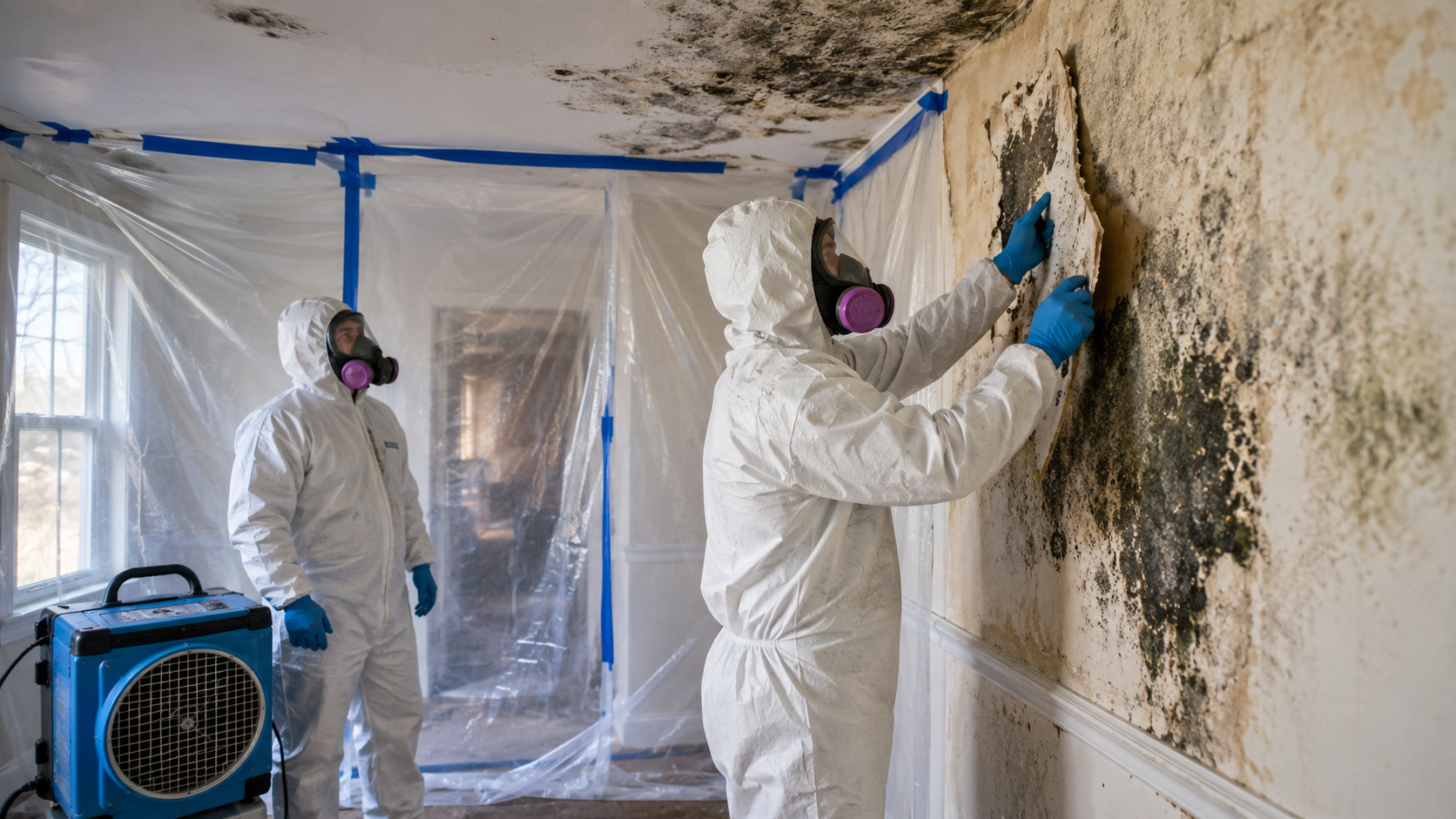
A proper mold damage restoration plan is built around two priorities: safe removal and moisture control. ASAP Restoration highlights that they handle mold remediation & removal as part of their restoration services and provide a plan of action during assessment.
In practice, professional remediation commonly includes:
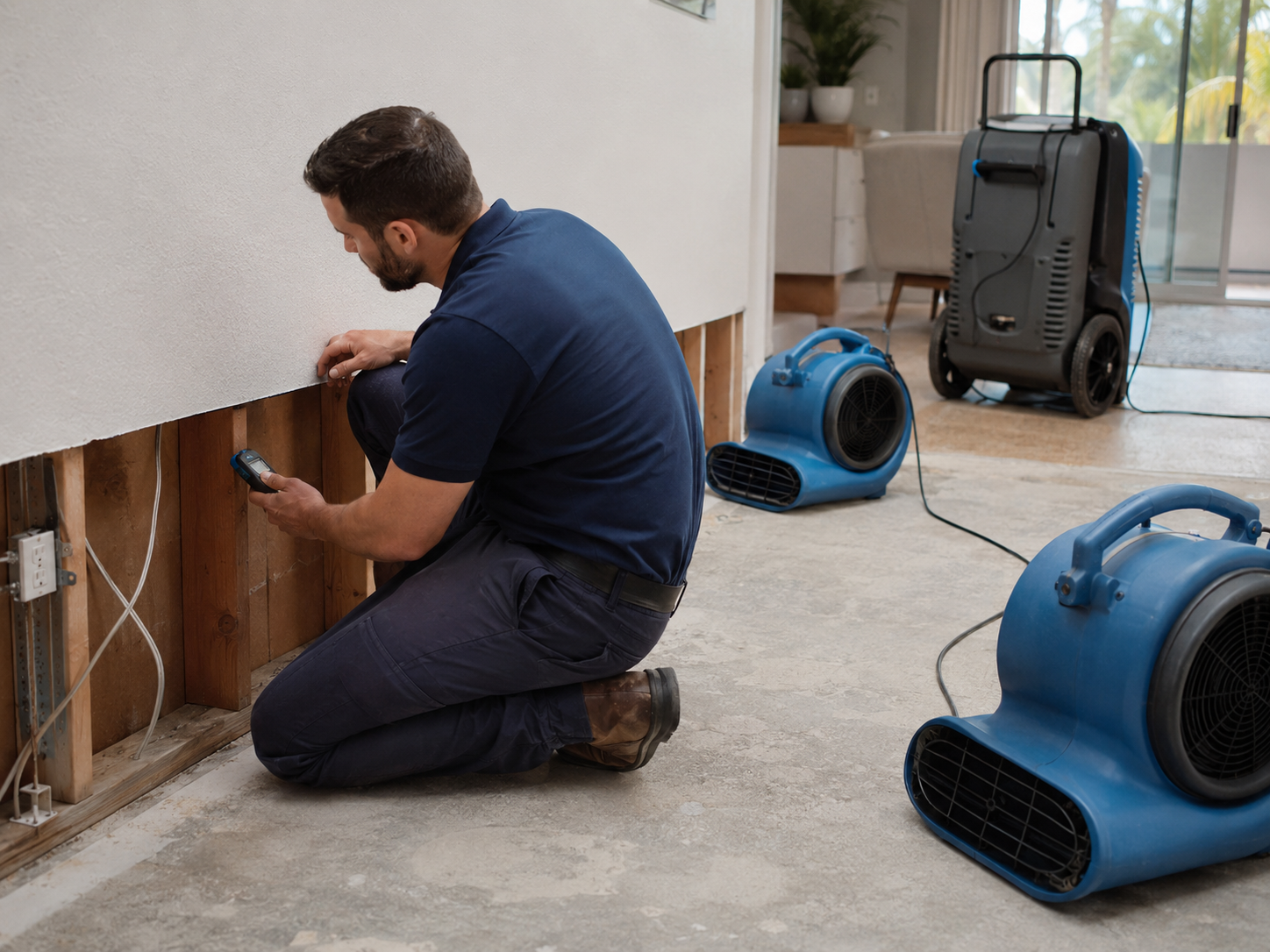
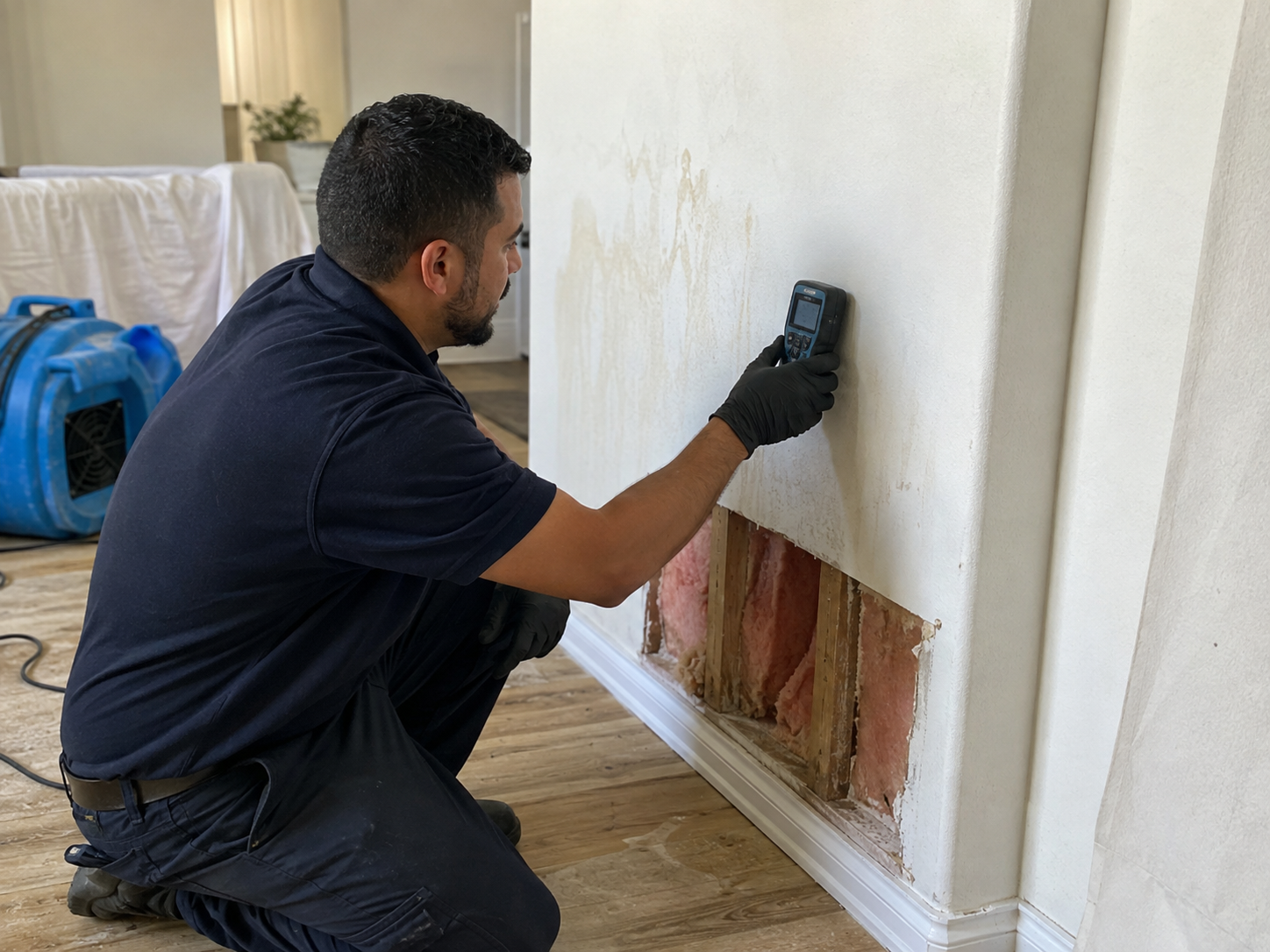
- Inspection and moisture detection
Technicians locate the source and measure moisture levels to determine how far the damage extends. - Containment (when needed)
Containment helps prevent spores from spreading to clean areas during removal. - Removal of unsalvageable materials
Wet drywall, insulation, and heavily contaminated porous items may need to be removed to eliminate trapped moisture and growth. - Cleaning and remediation
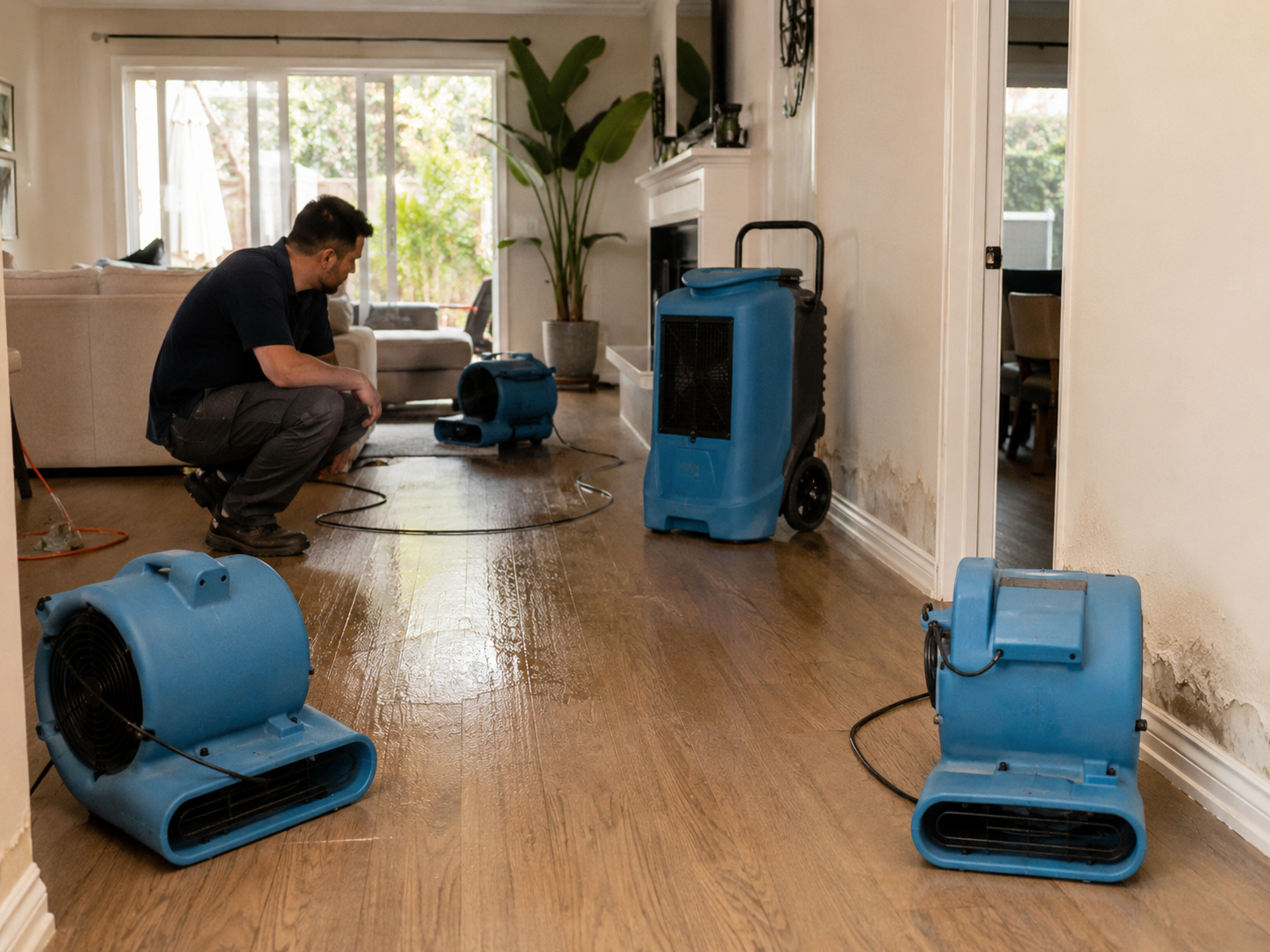
Surfaces are cleaned and treated using methods designed for microbial remediation. - Drying and dehumidification
Drying isn’t optional—mold will keep returning if moisture stays. - Rebuild and restoration
Once dry standards are met, repairs can restore the property to pre-loss condition.
When mold damage is tied to water loss, speed matters
A lot of mold jobs start as water jobs that weren’t fully dried. ASAP Restoration’s 24/7 availability and rapid response in Los Angeles are designed to reduce the time water has to spread and soak into materials.
Need mold damage help in Los Angeles?
If you suspect mold damage, don’t wait for it to “go away.” Mold typically worsens with time if moisture remains. ASAP Restoration encourages prompt action and offers mold remediation services designed to protect the health and safety of your home or business.