Emergency Water Damage in Los Angeles
Emergency Water Damage in Los Angeles — What to Do Immediately (and What Pros Do Next)
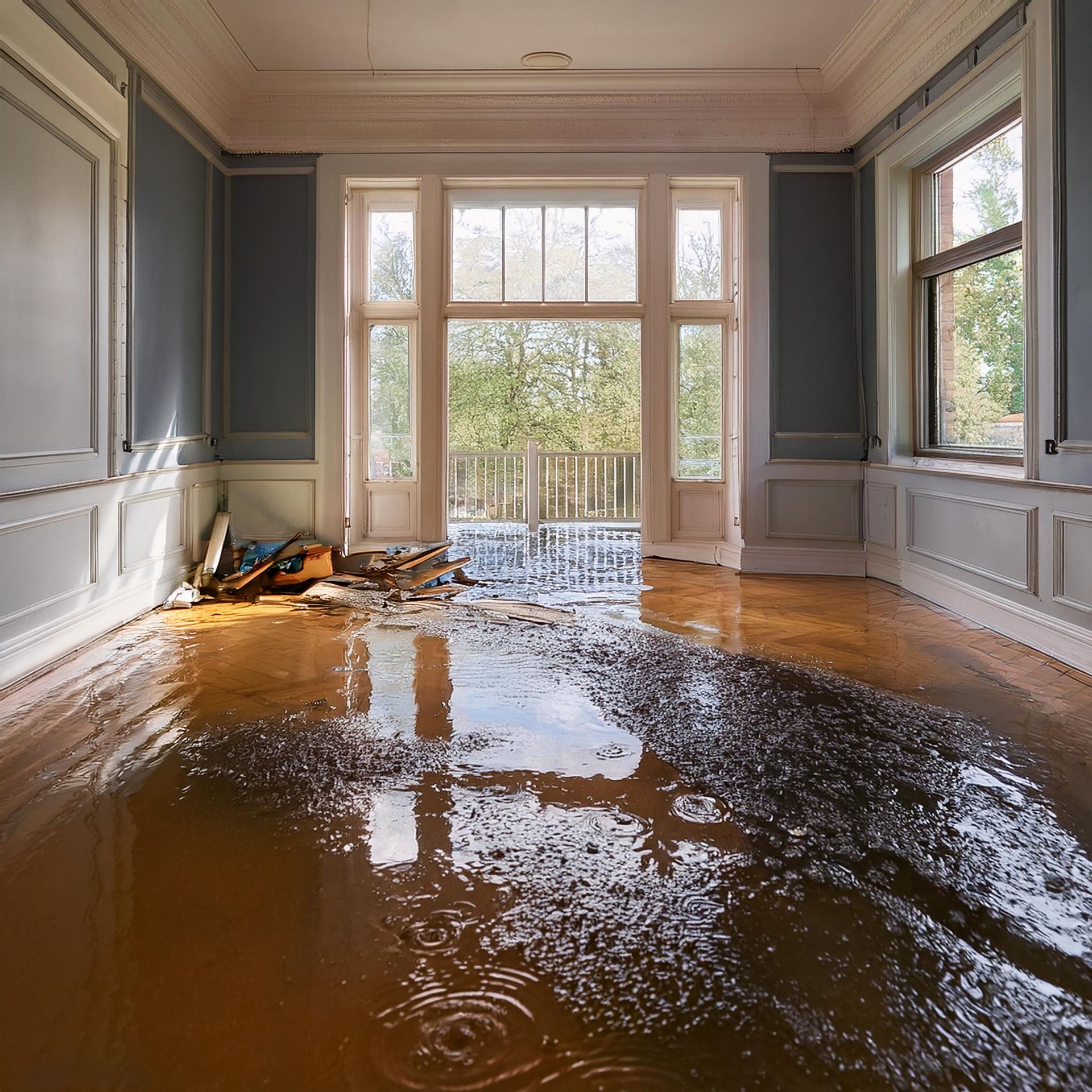
Emergency water damage can turn a normal day into a scramble—fast. A burst supply line, an overflowing toilet, a water heater leak, or storm-related intrusion can soak drywall, flooring, and insulation in minutes. If you act quickly and follow the right steps, you can often reduce the total damage and avoid preventable repairs.
At ASAP Restoration Services (CA), we provide 24/7 emergency response for water damage in the Greater Los Angeles area, with disaster response times of 1 hour or less, so you can get help before water spreads further.
Step 1: Safety first—before cleanup
In any emergency water damage situation, take a moment to make sure it’s safe to stay and safe to move around.
- Stop the source if possible (shut off the fixture valve or main water valve).
- Avoid electrical risk if water is near outlets, appliances, or the electrical panel.
- Watch for ceiling sagging after upstairs leaks—wet drywall can become heavy and unstable.
If you’re uncertain, it’s better to step out of the affected area and call a restoration professional for guidance and response.
Step 2: Contain the spread and protect valuables
Once the water is stopped (and it’s safe):
- Move electronics, rugs, and important items to a dry room.
- Place towels or barriers to keep water from traveling into adjacent areas.
- Lift furniture legs onto blocks or foil to reduce staining and swelling.
These quick actions don’t “fix” water damage, but they can slow how much of your home becomes affected.
Step 3: Document the damage (especially for insurance)
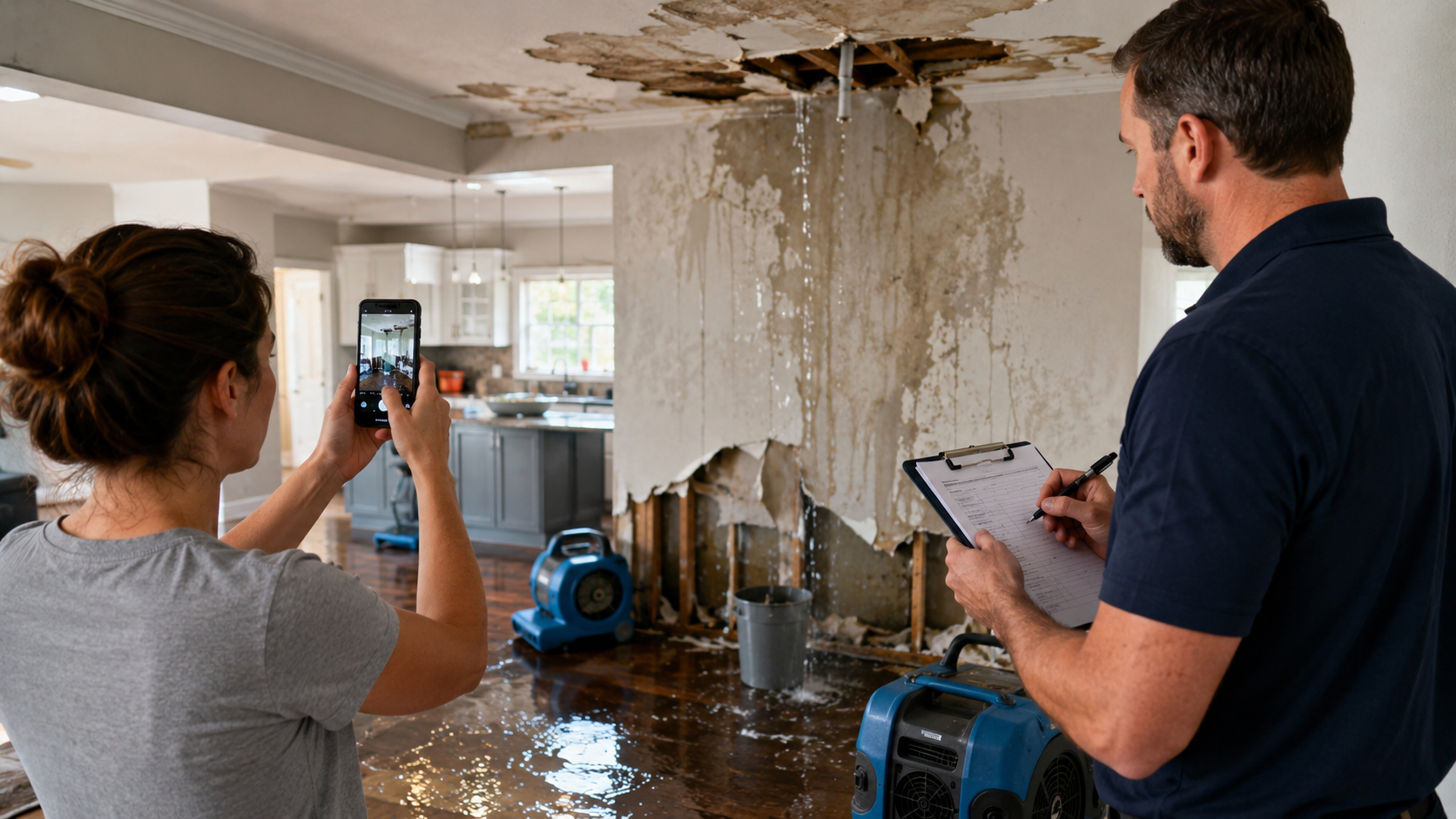
Photos and video can be incredibly helpful—especially if the claim process becomes detailed. ASAP Restoration also provides guidance on documenting water damage for insurance claims.
A simple, effective approach:
- Take wide shots of each room and close-ups of damaged materials.
- Note the date/time and the suspected cause (pipe burst, overflow, storm intrusion).
- Keep a basic list of visibly damaged items.
Step 4: Don’t rely on “it looks dry”
One of the biggest problems with emergency water damage is hidden moisture. Water can sit:
- behind baseboards,
- under flooring,
- inside insulation,
- in wall cavities and framing.
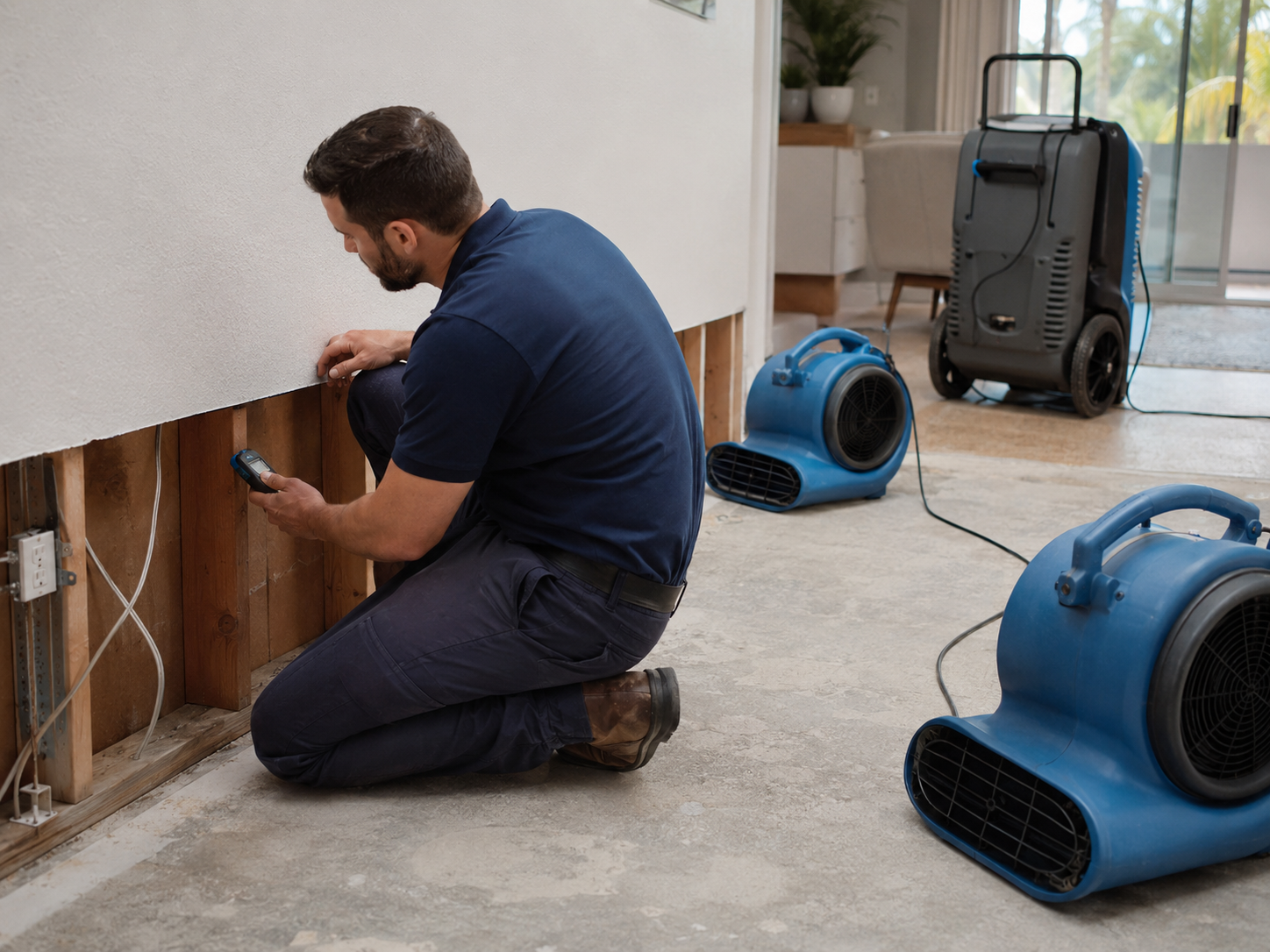
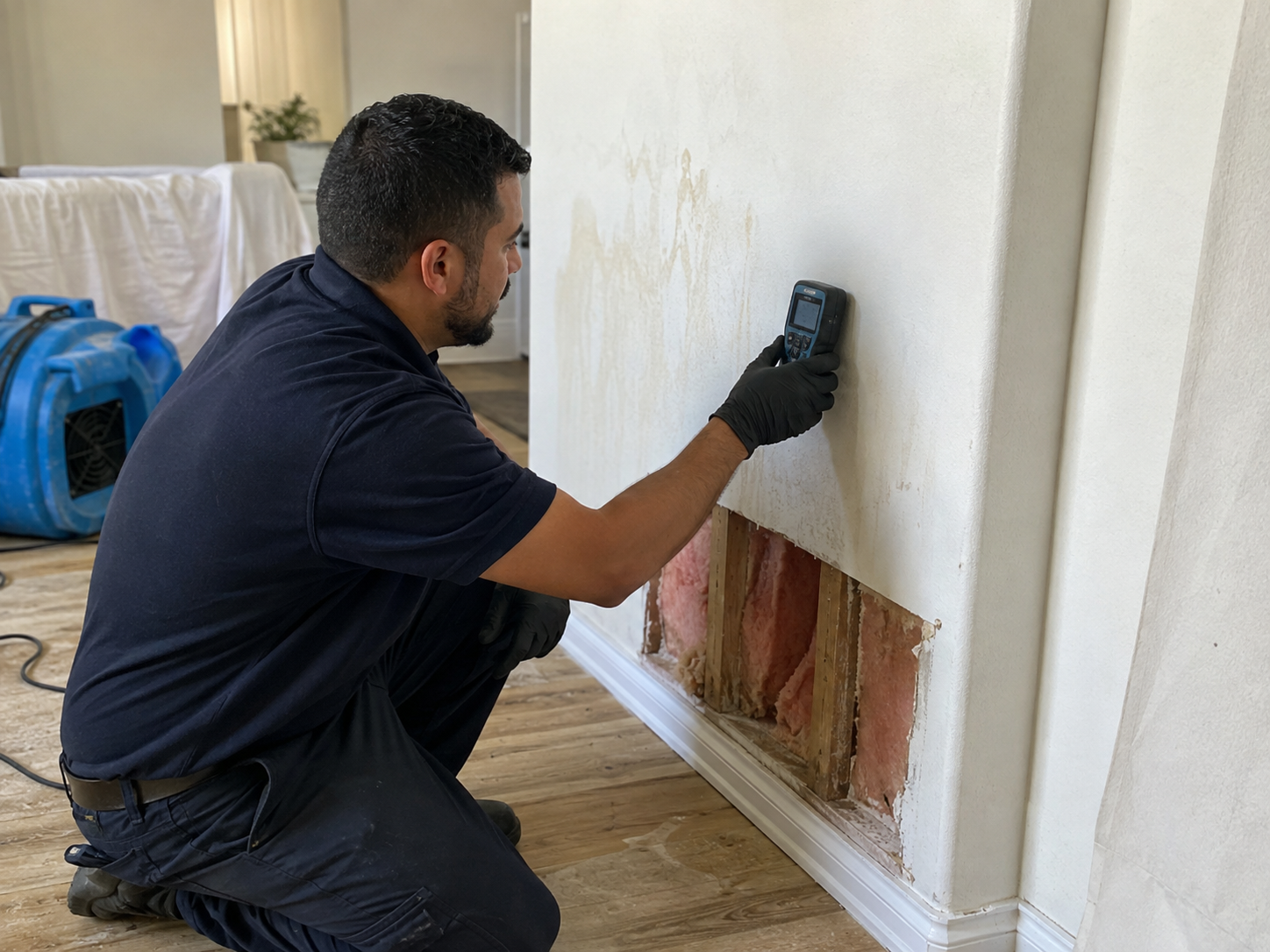
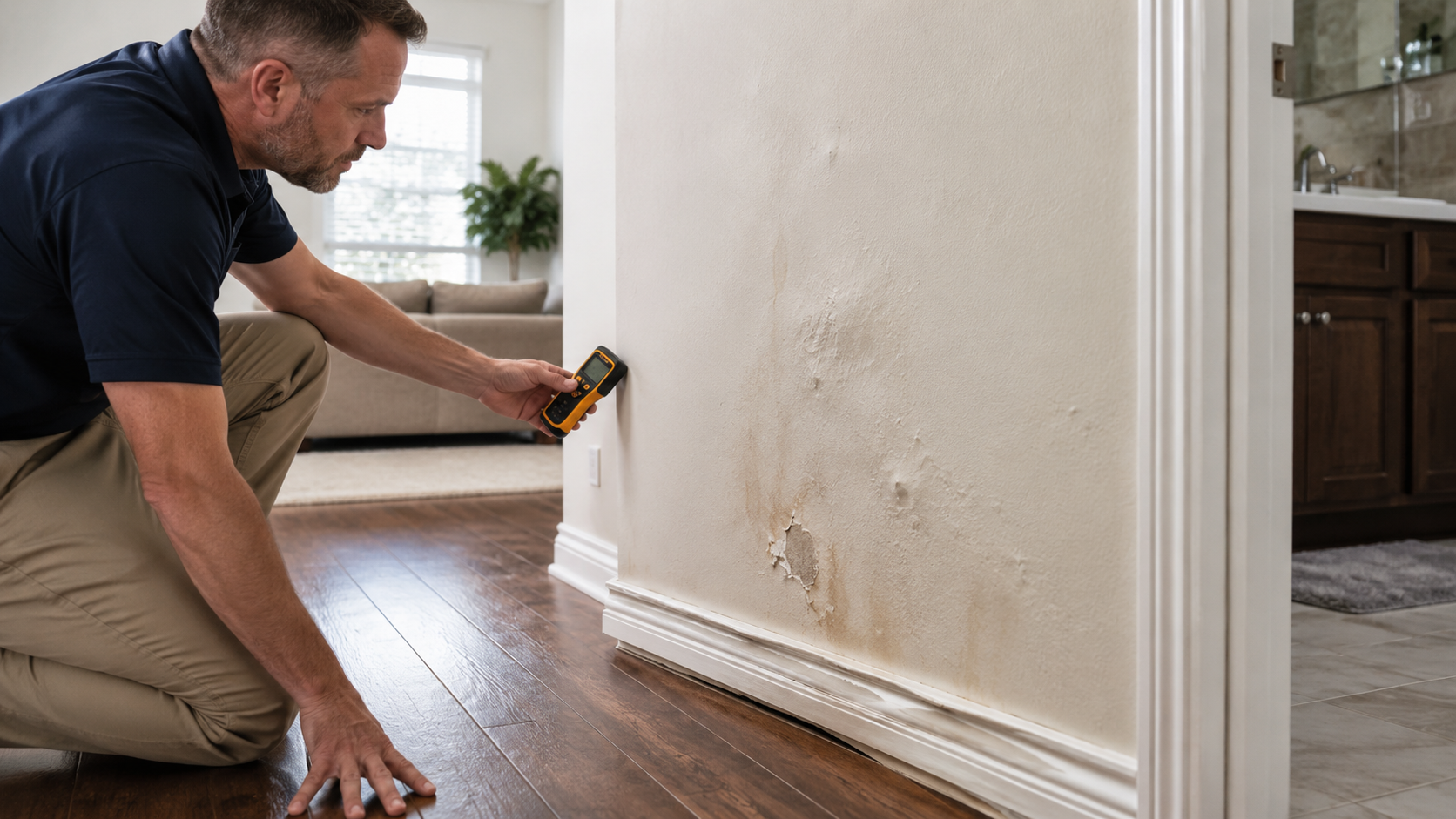
This is why professional restoration focuses on moisture detection, extraction, drying, and verification—not just surface drying.
What a professional emergency water damage response includes
ASAP Restoration’s water damage service process is built around fast mitigation and complete structural drying. Their water damage restoration services list includes key steps like: visual inspection & free estimate, water extraction, sewage cleanup, removal of wet materials, placing high-performance fans and dehumidifiers, ensuring structural drying, reconstruction, and insurance billing for covered losses.
Here’s what that looks like in the real world:
1) Inspection and moisture mapping
Technicians assess where the water traveled and which materials are affected—even if it’s behind walls or under floors.
2) Water extraction
Standing water is removed using professional extraction equipment to reduce saturation and speed drying.
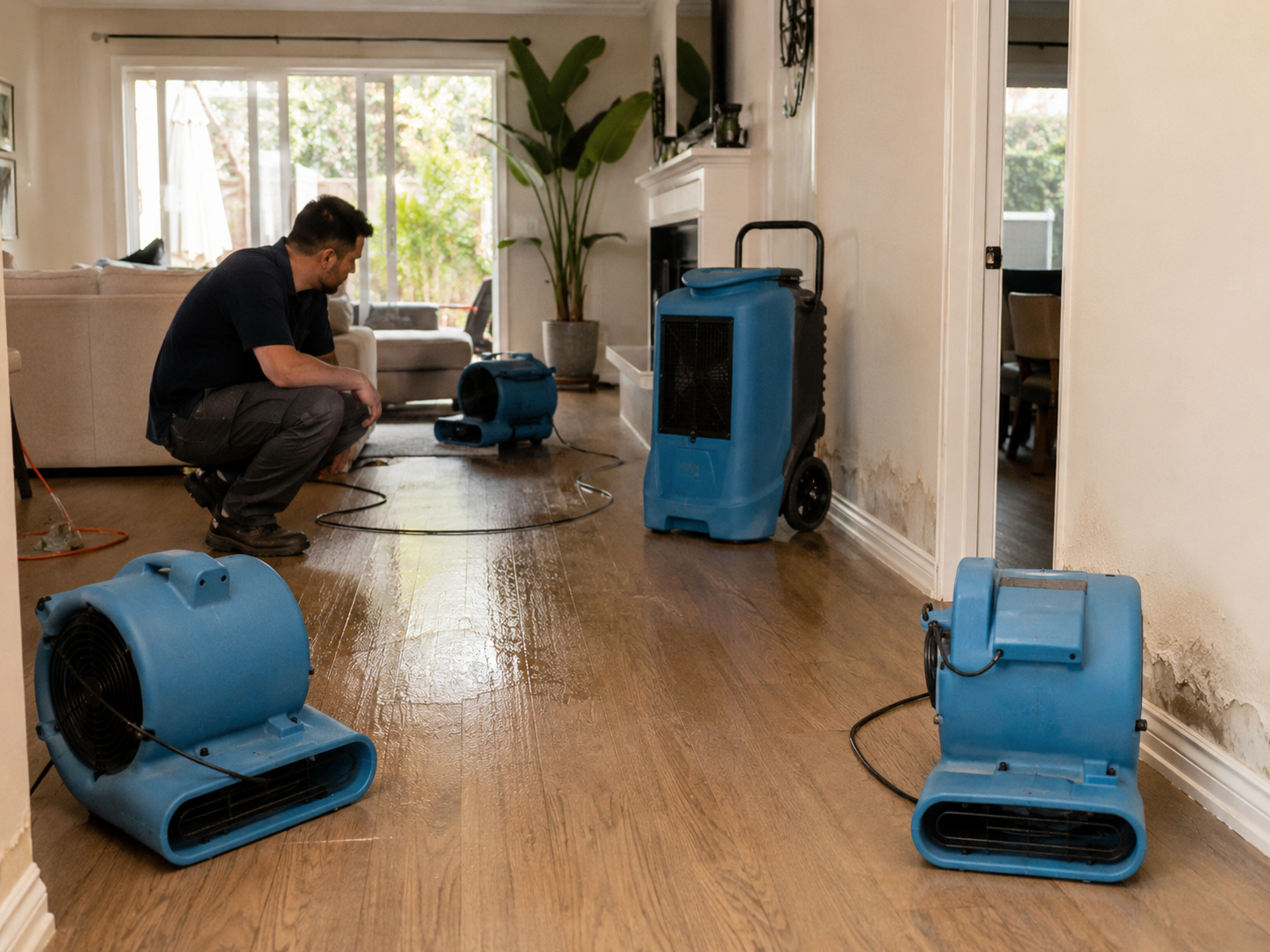
3) Controlled drying and dehumidification
Commercial air movers and dehumidifiers are placed strategically to dry the structure—not just the air.
4) Selective removal of unsalvageable materials
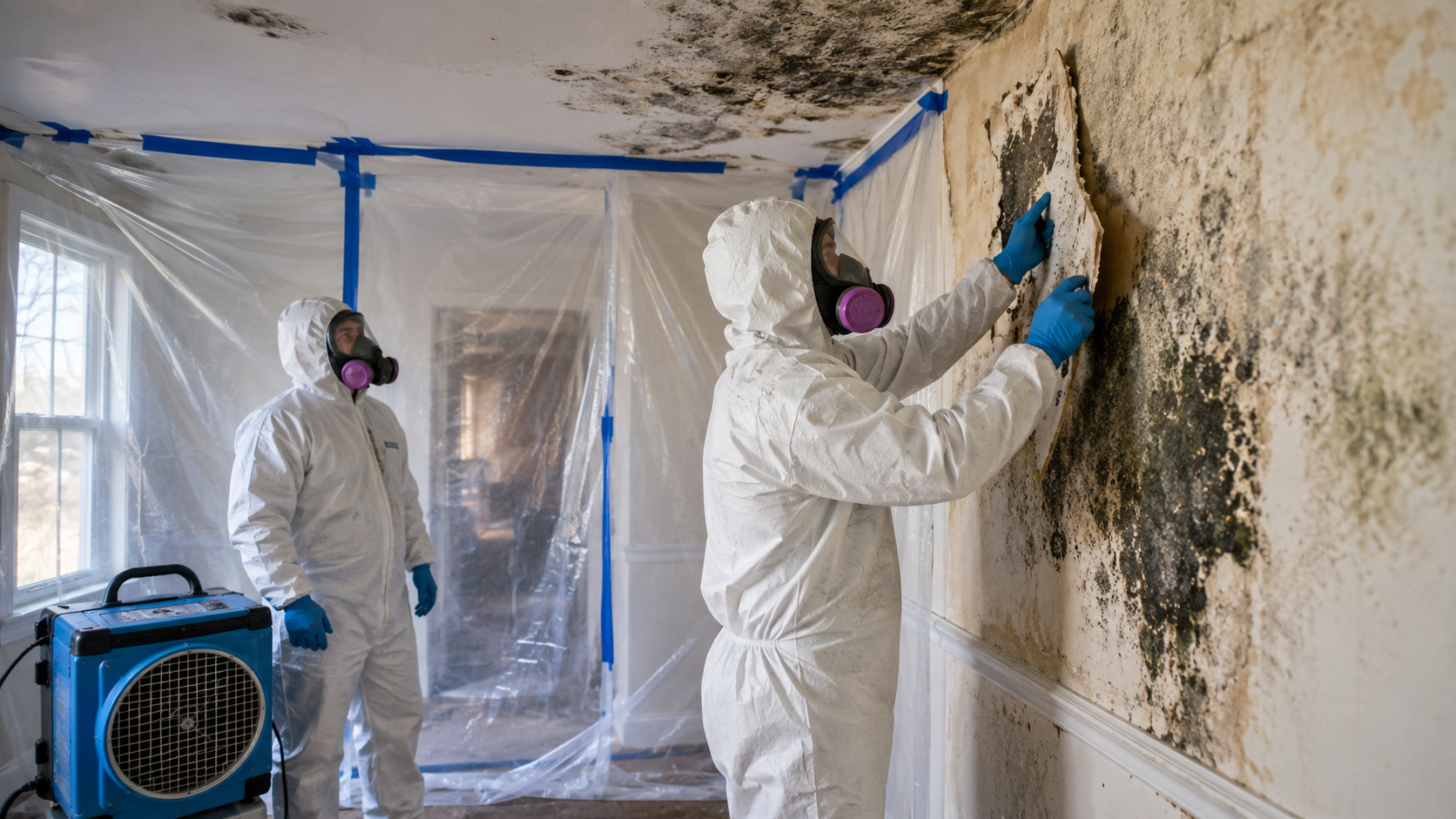
In many cases, saturated drywall, insulation, or flooring layers must be removed to prevent trapped moisture from becoming a long-term problem.
5) Rebuild and restoration
After drying is verified, the property can be reconstructed to pre-loss condition.
Why speed matters with emergency water damage
ASAP Restoration emphasizes that fast response reduces damage and saves costs—because the longer water sits, the more it penetrates porous materials and spreads.
The goal of emergency mitigation is to prevent secondary damage such as:
- swelling and warping,
- delamination of flooring,
- persistent odors,
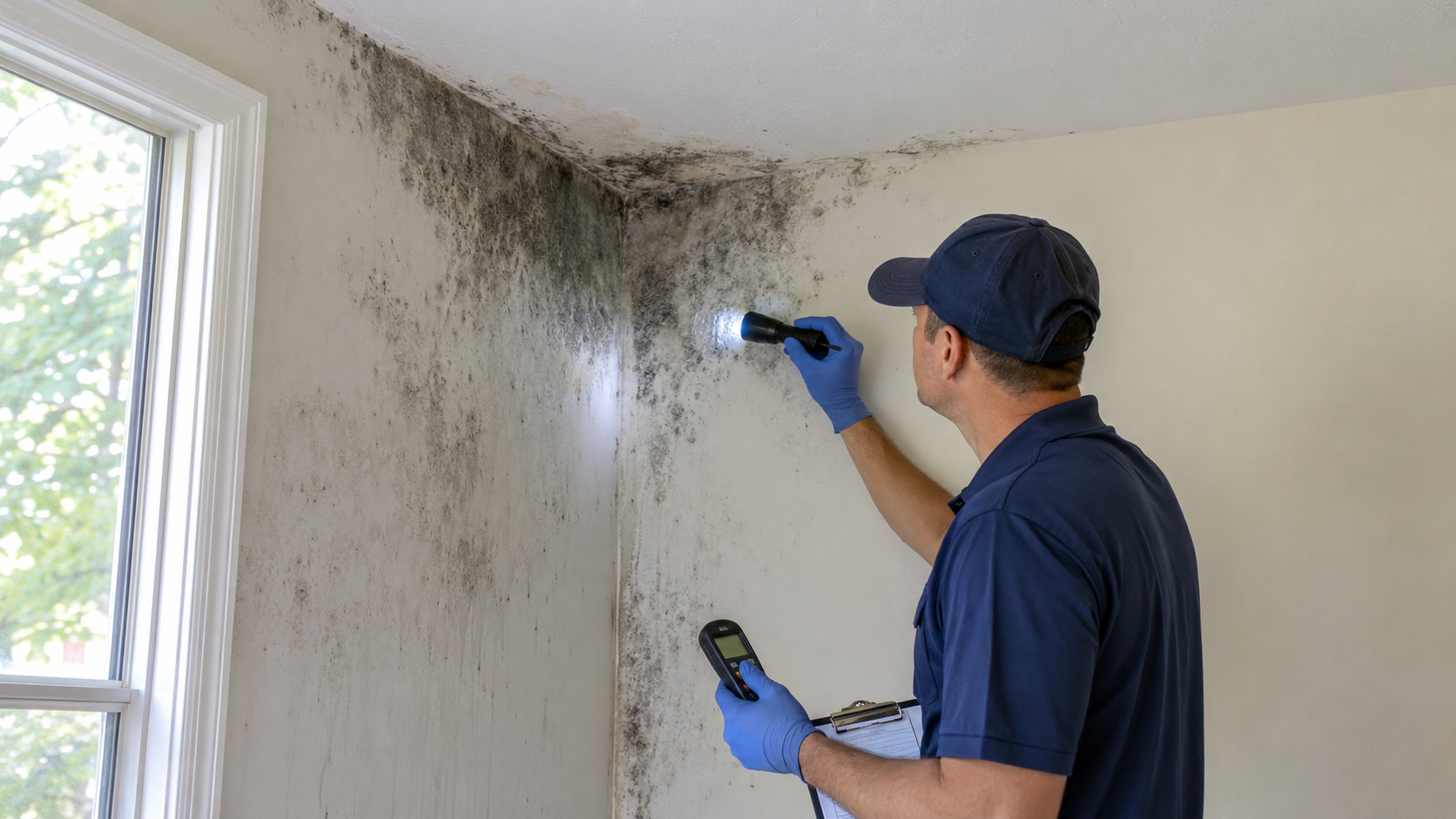
- microbial growth risk in damp cavities.
Emergency water damage help in Greater Los Angeles
ASAP Restoration Services states they’re certified in water, fire, and mold restoration, offer $0 cash down on insurance jobs, and provide 24/7 emergency response for the Los Angeles area.
If you’re dealing with emergency water damage, the smartest move is to stop the source, stay safe, document what you can, and bring in a qualified restoration team quickly—so the damage doesn’t grow beyond what it has to be.