Mold Damage After Water Leaks
Mold Damage After Water Leaks — How to Stop It, Clean It, and Keep It From Coming Back
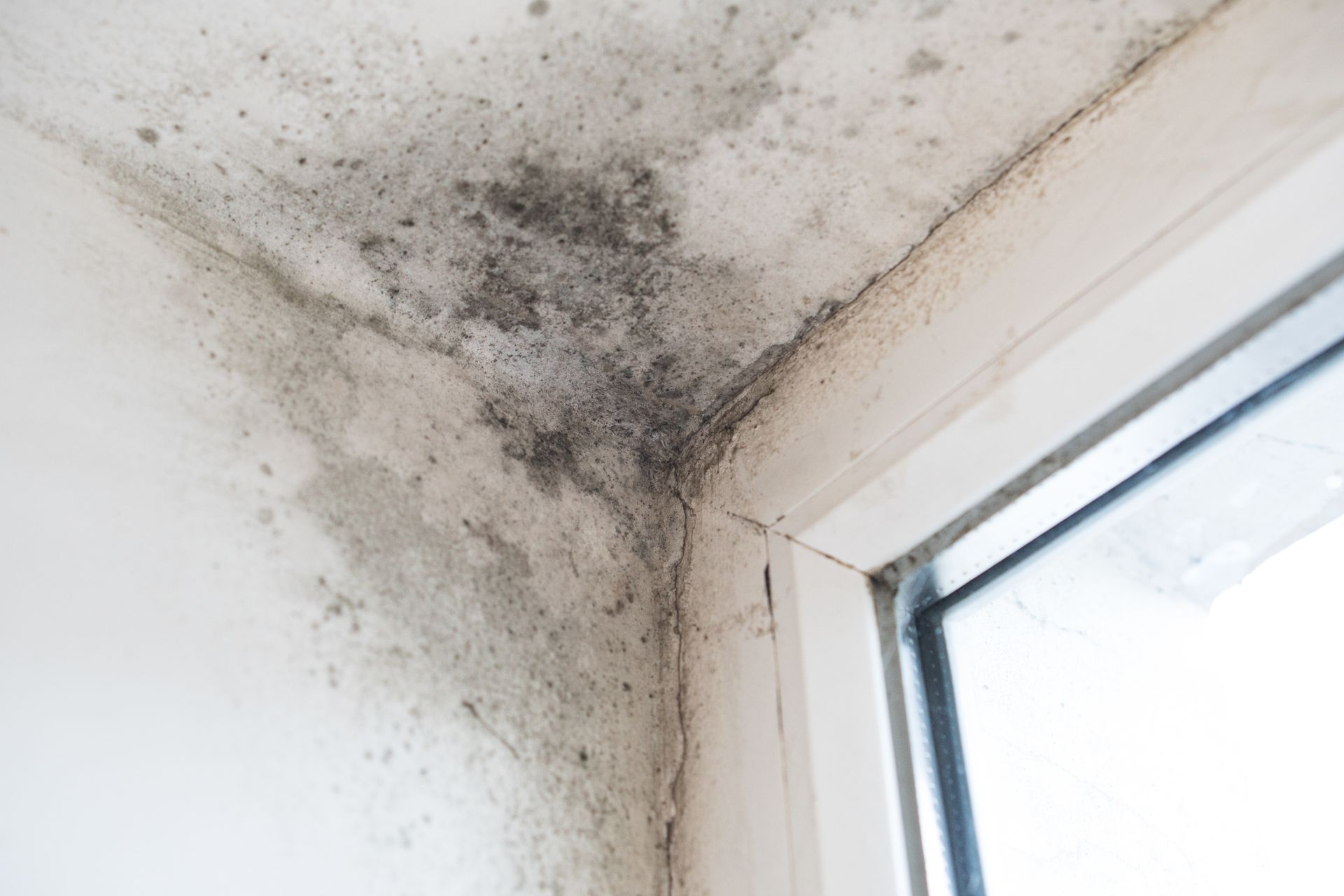
Many homeowners first learn about mold damage after dealing with a leak they thought was “minor.” Maybe it was a small ceiling stain, a damp patch behind a toilet, or a slow drip under the kitchen sink. But once moisture reaches drywall, insulation, or wood framing, mold can begin growing before the area looks obviously wet.
ASAP Restoration Services (CA) provides 24/7 emergency response for water and mold emergencies in Los Angeles and surrounding areas, with certified technicians who can respond quickly to limit damage and reduce mold risk.
Why mold damage often follows “small” water problems
Water doesn’t need to flood a room to cause trouble. Mold damage becomes likely when:
- moisture is trapped behind walls or under flooring,
- insulation stays wet,
- ventilation is poor,
- or drying is incomplete.
ASAP Restoration highlights how quickly mold risk increases after water damage—and why immediate action matters.
How quickly can mold become a problem?
The exact timing depends on materials, temperature, and humidity, but the real takeaway is: waiting makes it worse. If the water source isn’t fixed and the structure isn’t thoroughly dried, the conditions that fuel mold remain in place—and the damage spreads.
The biggest mistake: drying what you can see (and ignoring what you can’t)
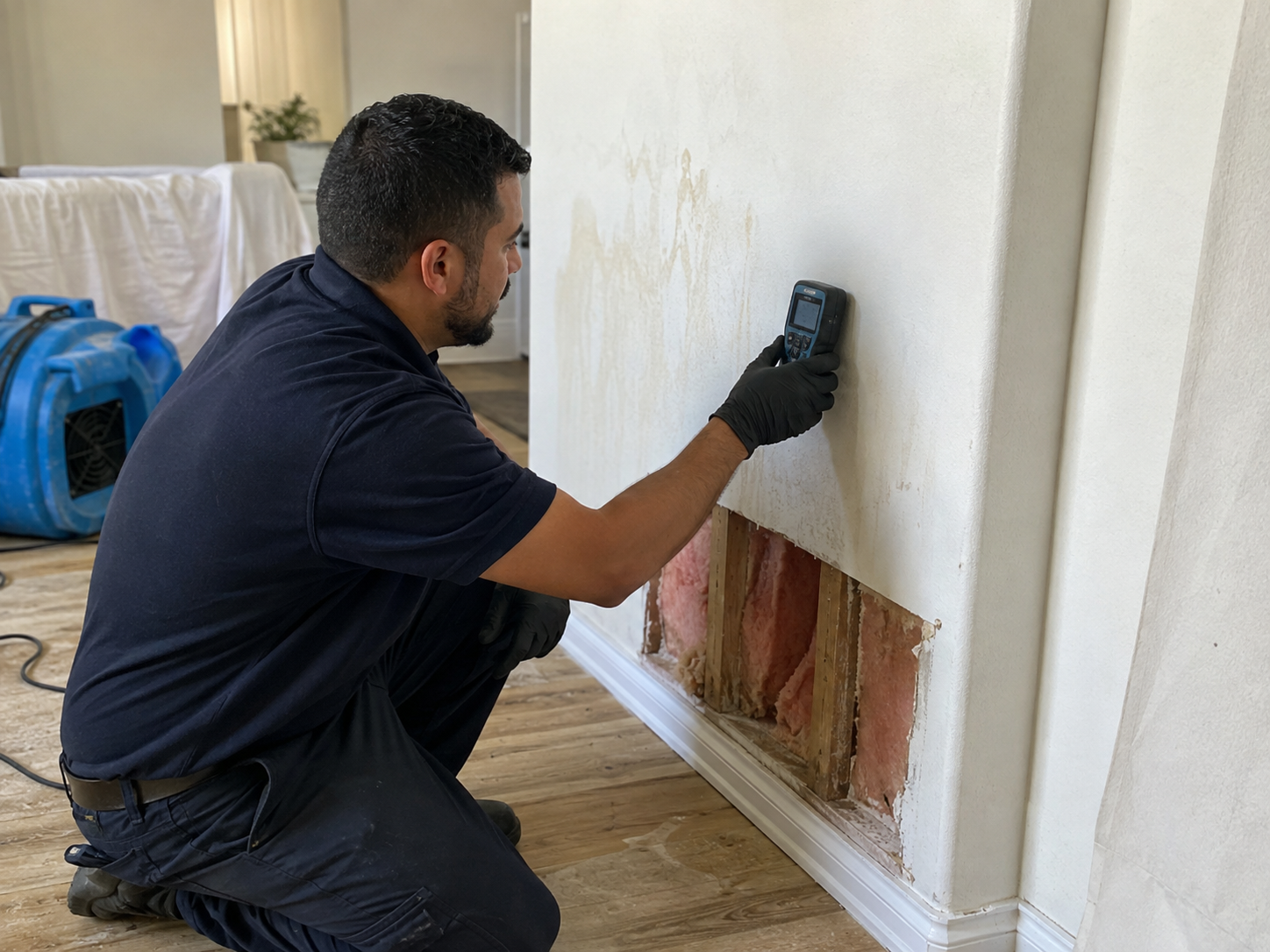
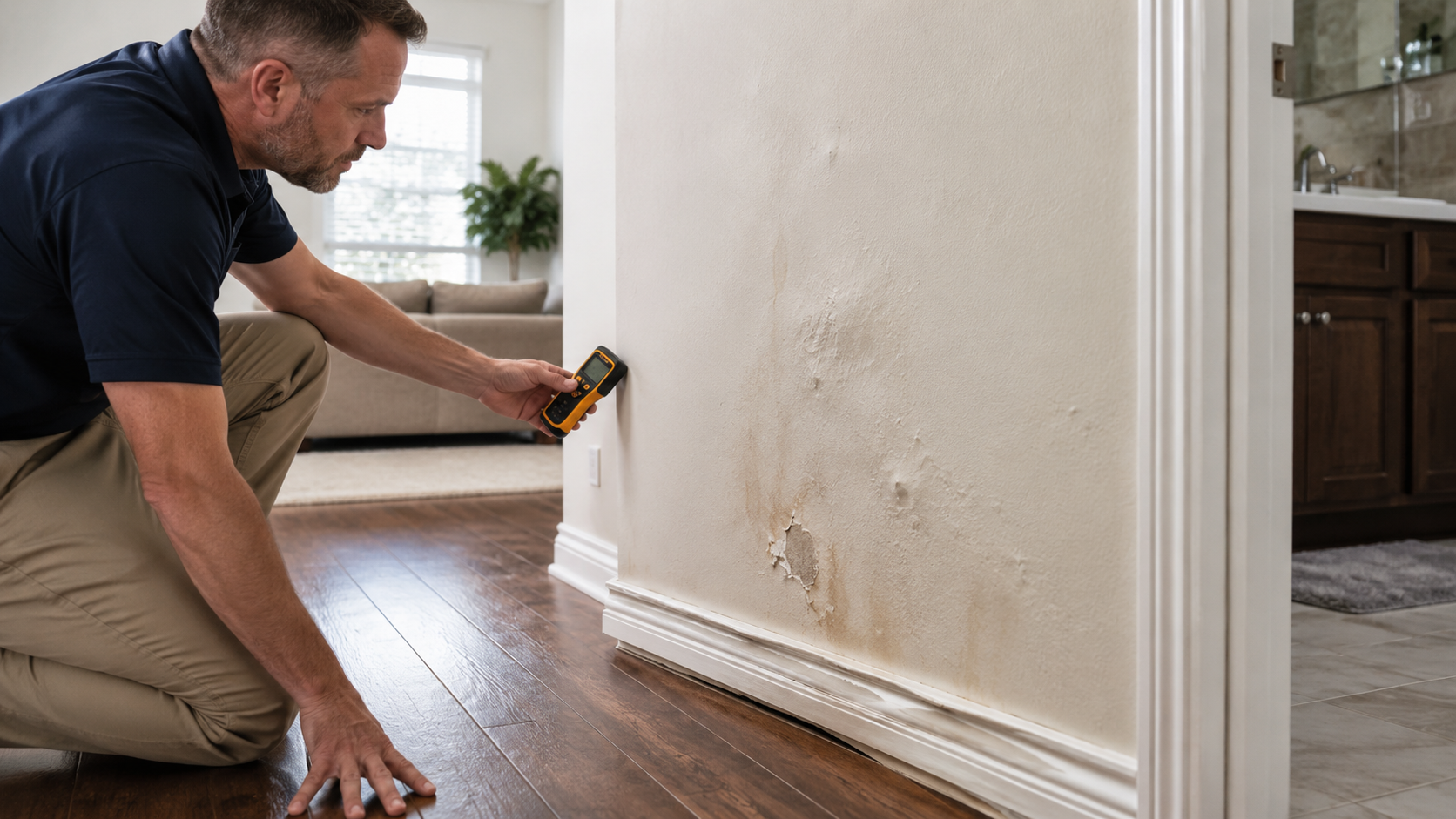
DIY drying typically focuses on visible wet spots—fans pointed at a wall, towels on a floor. But mold damage commonly forms in places like:
- behind baseboards,
- under laminate flooring,
- inside wall cavities,
- under cabinets,
- in insulation and subfloor layers.
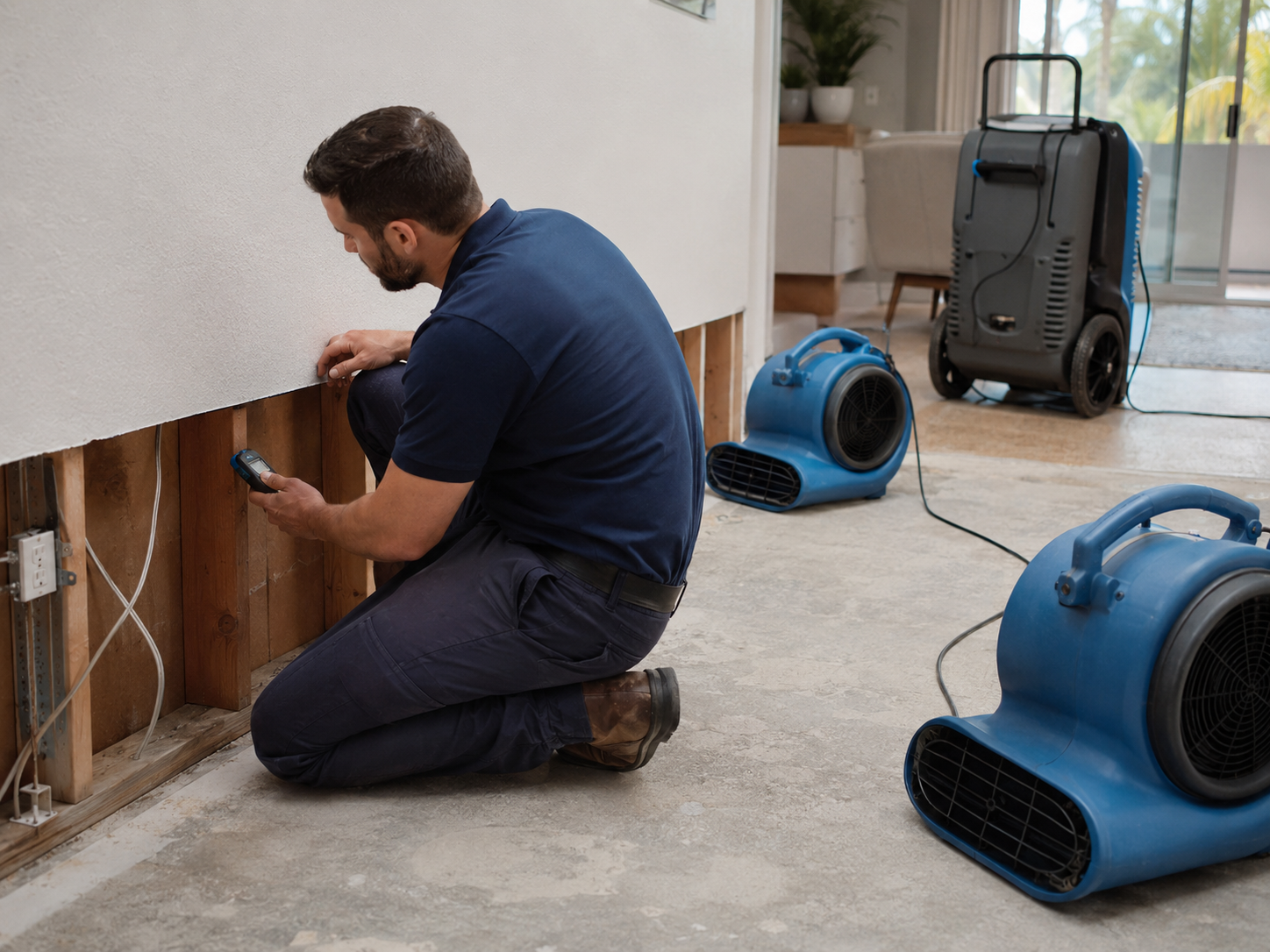
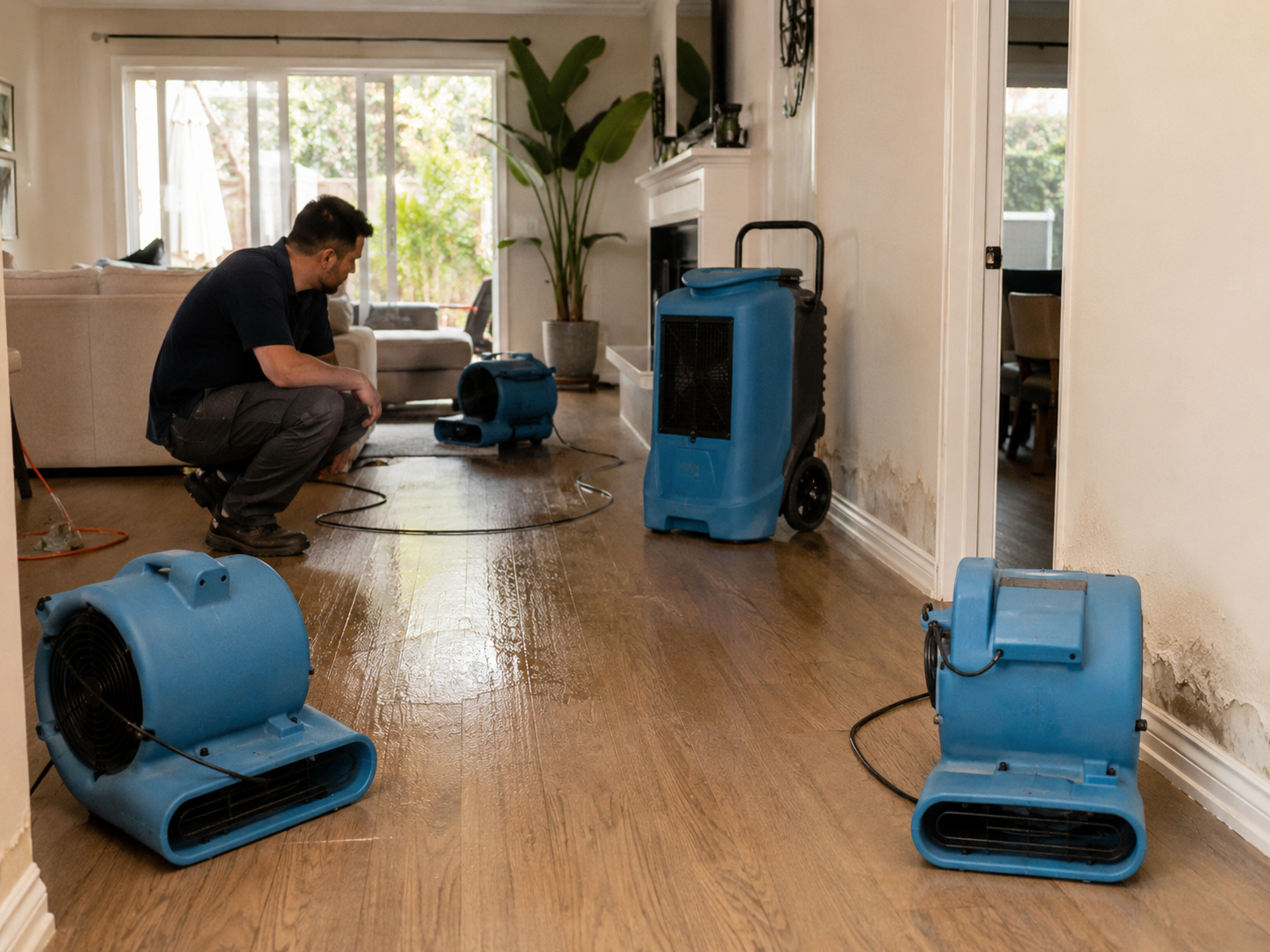
This is why professional restoration uses moisture detection and controlled drying, not just surface airflow.
The right approach to mold damage restoration
If mold is suspected after a leak or water loss, a professional remediation plan should do three things well:
1) Fix the moisture source
If the leak, intrusion, or humidity issue isn’t solved, mold will come back. ASAP Restoration notes that mold won’t return after remediation unless moisture problems persist—meaning the “fix” has to include moisture control.
2) Remove contamination safely
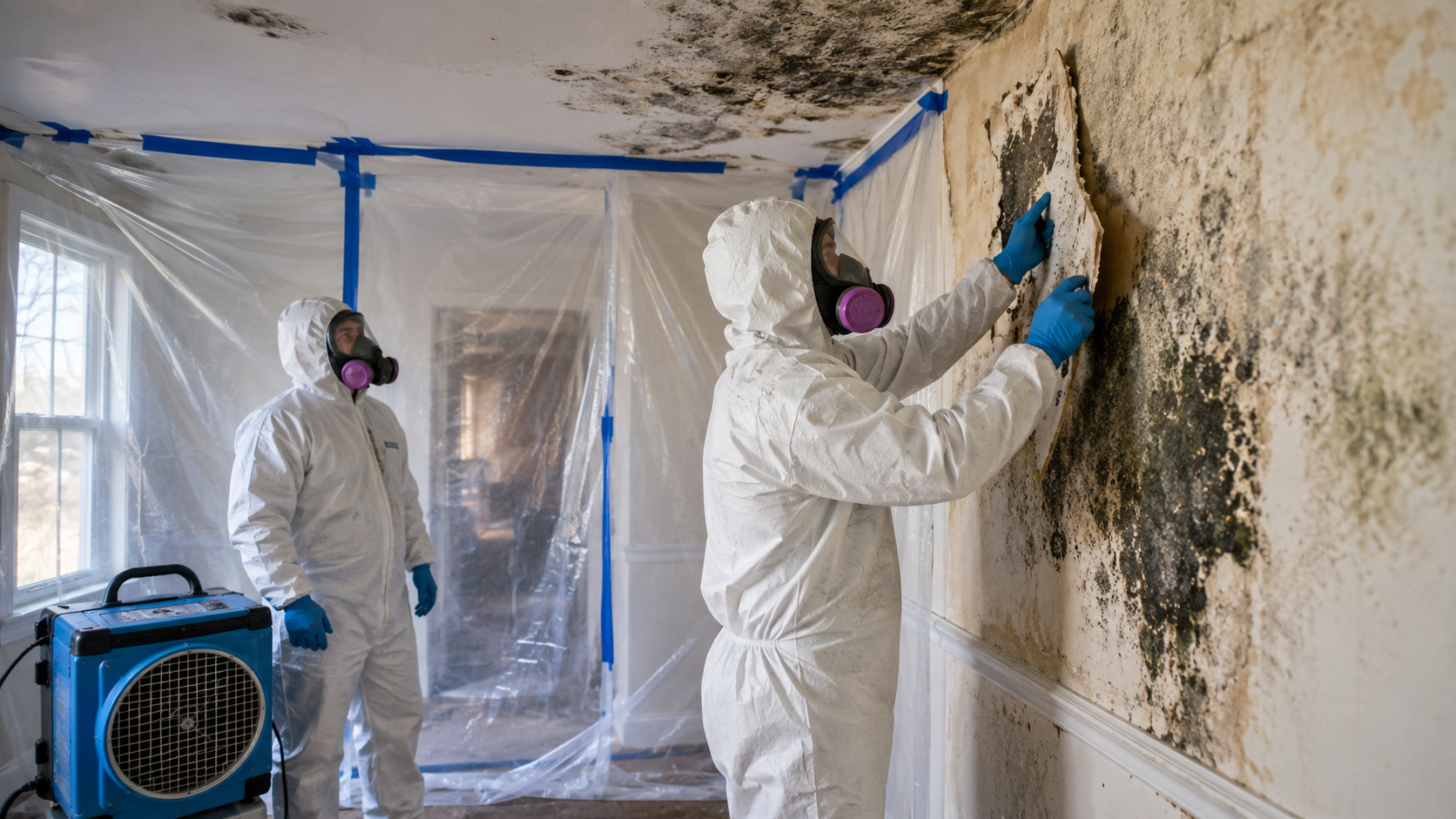
Mold isn’t something you want spread through the home during cleanup. Proper containment and removal methods help protect unaffected rooms and reduce cross-contamination risk.
3) Dry, verify, and restore
Drying is the foundation of long-term success. ASAP Restoration’s restoration approach includes assessing the problem, beginning cleanup and dry-out quickly, and providing restoration services (including mold remediation & removal).
When mold damage becomes a bigger repair
The longer moisture sits, the more likely you’ll see:
- drywall that crumbles or needs removal,
- flooring that warps or delaminates,
- cabinetry that swells,
- lingering odors that embed into porous materials.
This is why 24/7 response matters—because early mitigation can reduce what needs to be removed and rebuilt.
Insurance tips for mold damage after a water loss
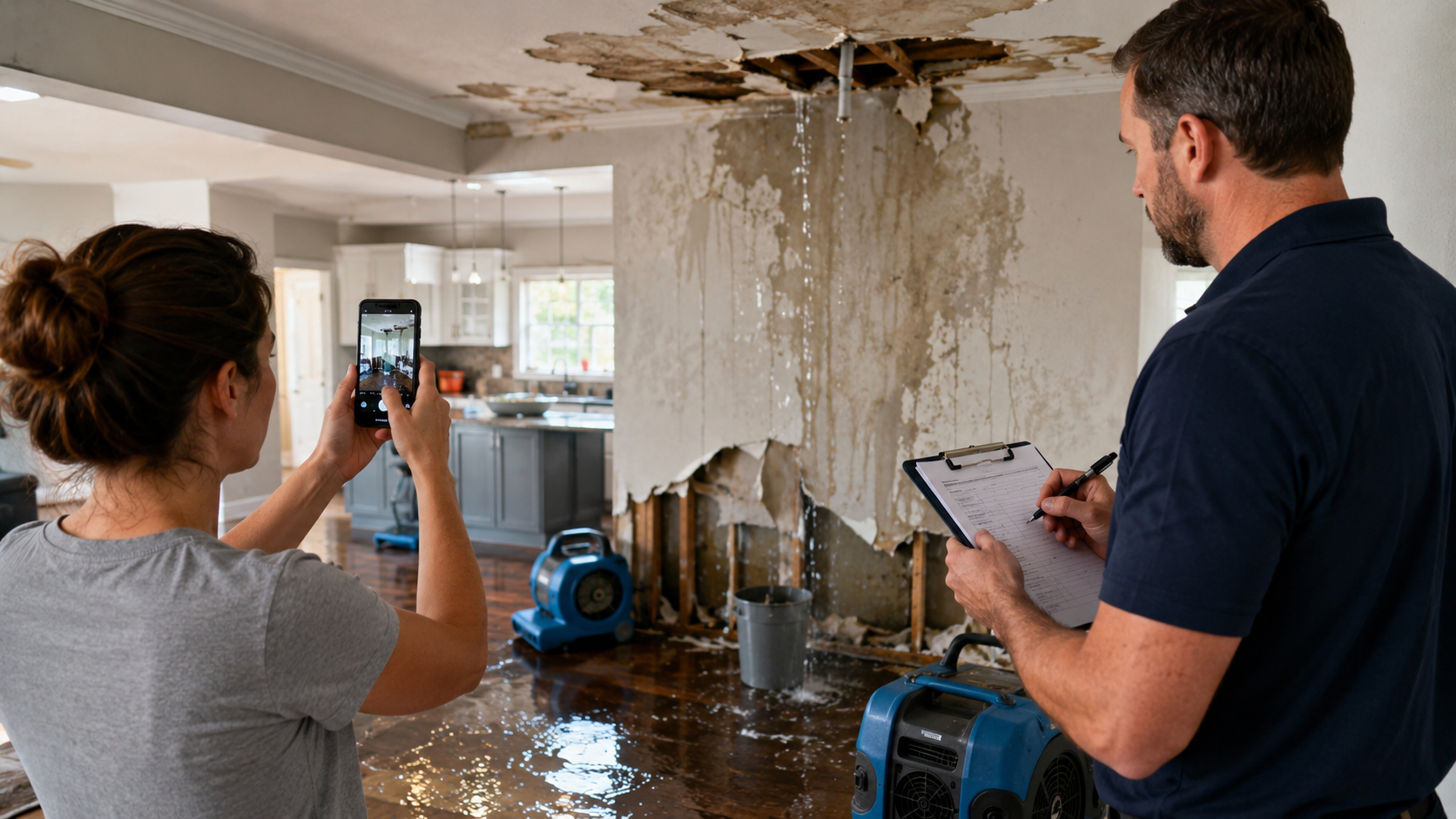
If you plan to file a claim, documentation helps. Take photos of:
- the source area (pipe, appliance, ceiling stain),
- affected materials,
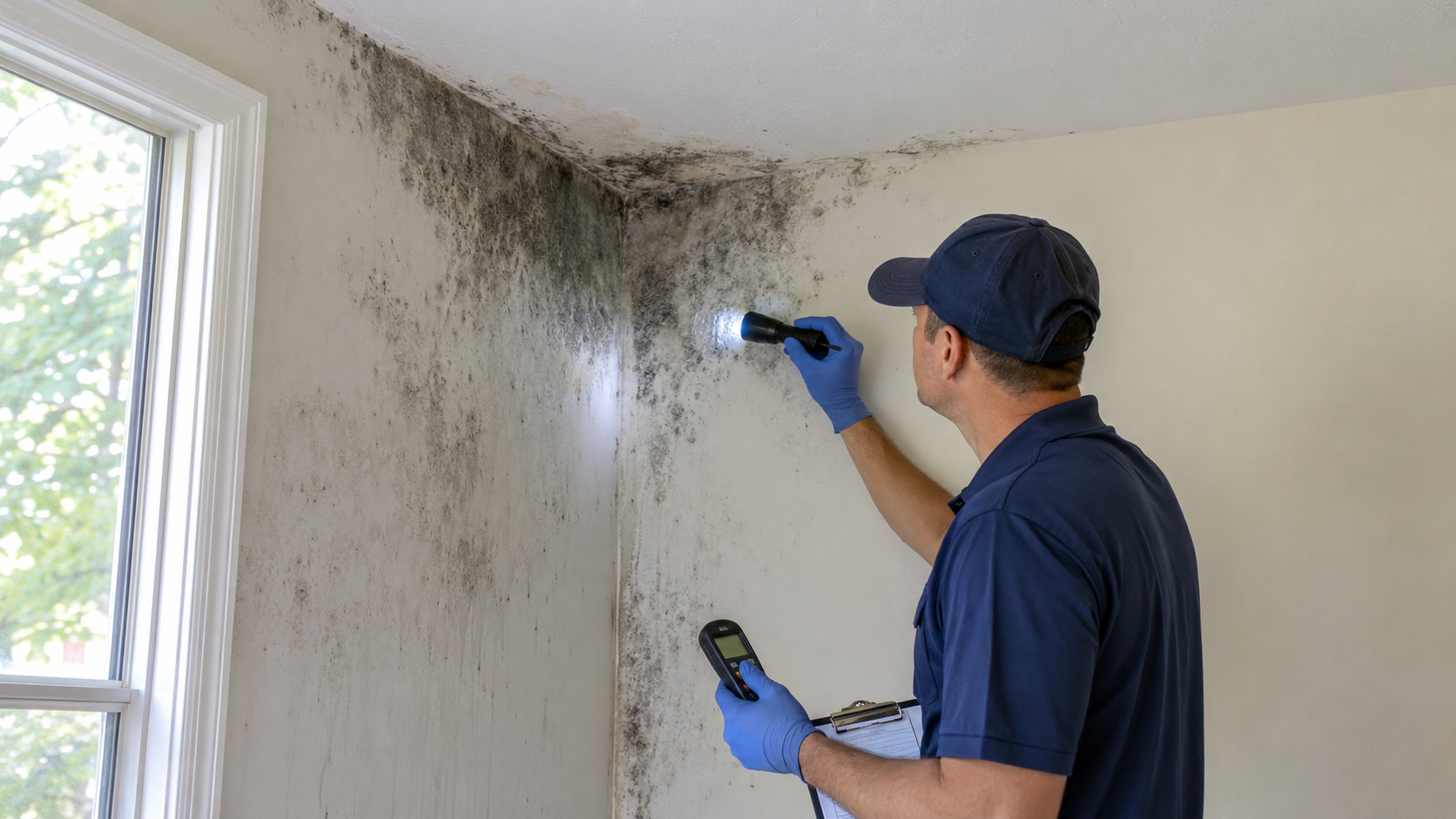
- visible growth or staining,
- and any contents damage.
Also keep a timeline: when you noticed the problem, what actions you took, and who you contacted.
Mold damage help in Los Angeles: stop the cycle
Mold damage is rarely a one-time event unless the moisture problem is fully resolved. ASAP Restoration emphasizes prompt response for water and mold emergencies and offers professional remediation to help keep homes and businesses safe and healthy.