Is Water Extraction Enough After Water Damage in Commerce, CA?
Is Water Extraction Enough After Water Damage in Commerce, CA?
Water extraction is one of the most important steps after a leak, burst pipe, appliance overflow, or other water emergency. Removing standing water quickly can stop water from continuing to sit on floors and other surfaces. But extraction alone does not necessarily mean a building is dry.
For property owners searching for water damage restoration in Commerce, CA, the distinction between water removal and structural drying is important. Water can disappear from view while moisture remains inside porous building materials.
Extraction Removes Bulk Water
Professional extraction equipment is designed to remove liquid water from affected areas. Depending on the situation, technicians may extract water from hard flooring, carpet, or other accessible surfaces.
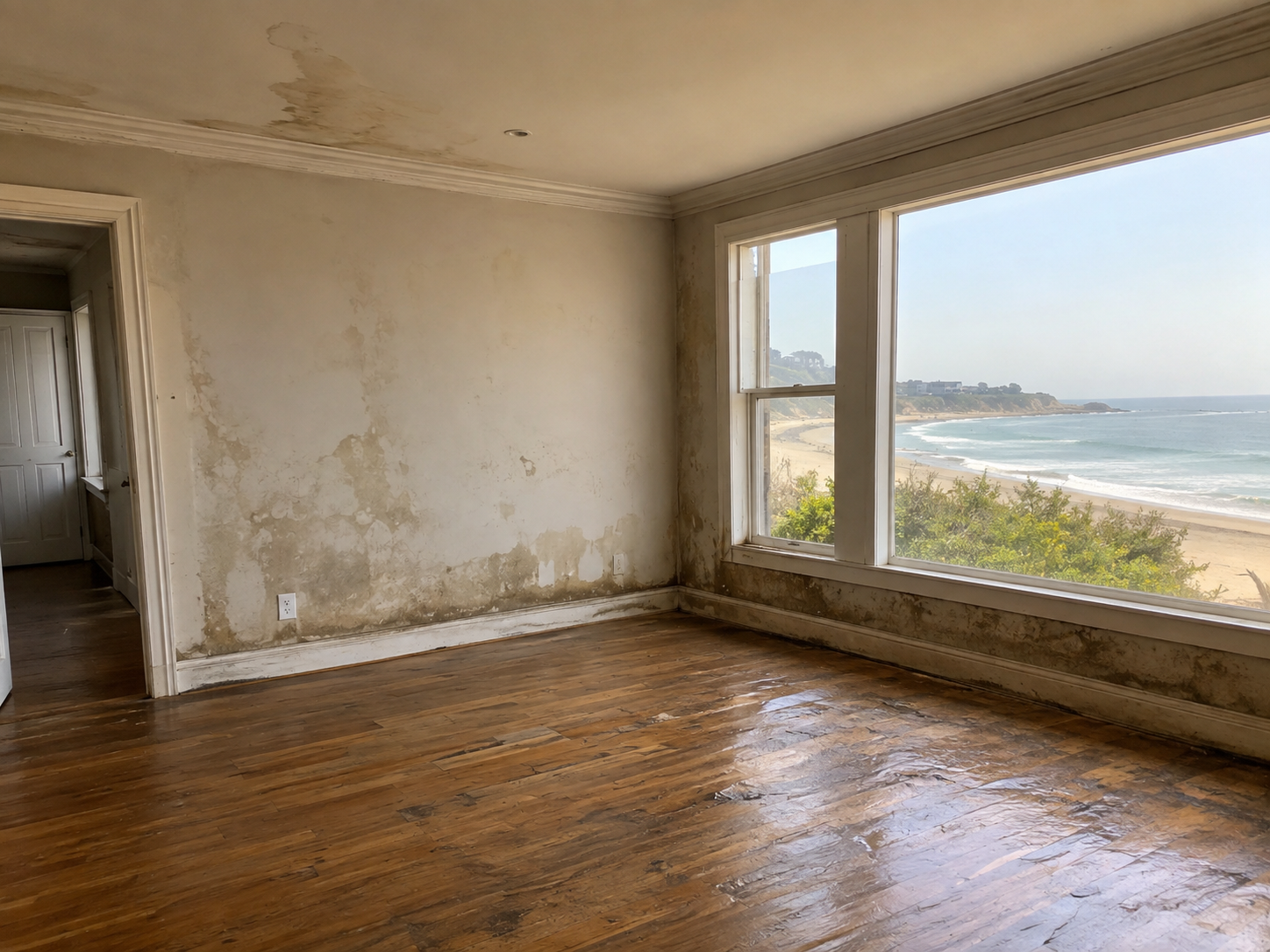
This stage can make a dramatic visual difference. A room that contained standing water may look much better after extraction. However, materials such as drywall, wood, subflooring, cabinets, and some flooring systems may already have absorbed moisture.
That absorbed moisture cannot always be removed with extraction equipment alone.
Structural Drying Addresses Moisture Inside Materials
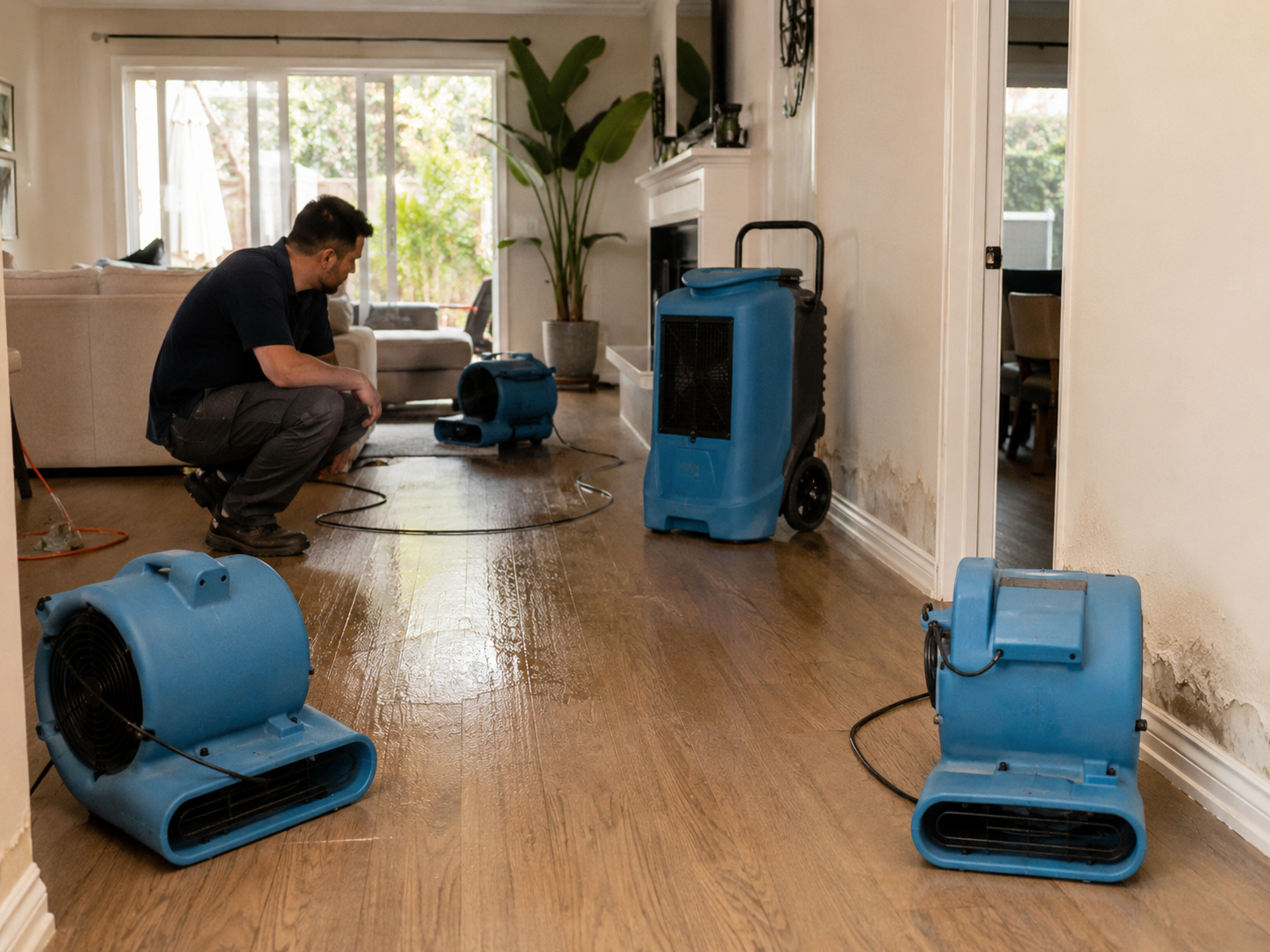
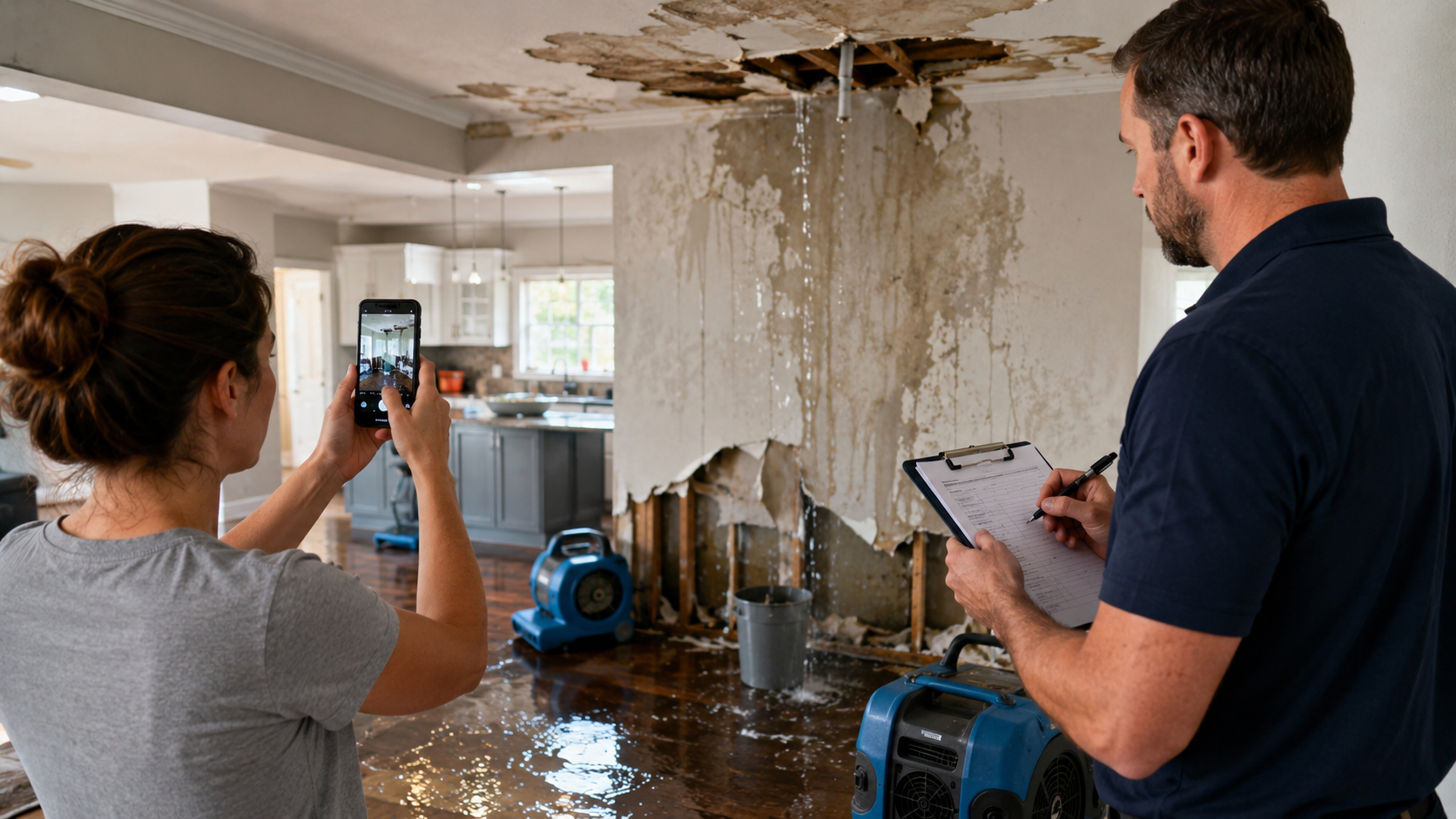
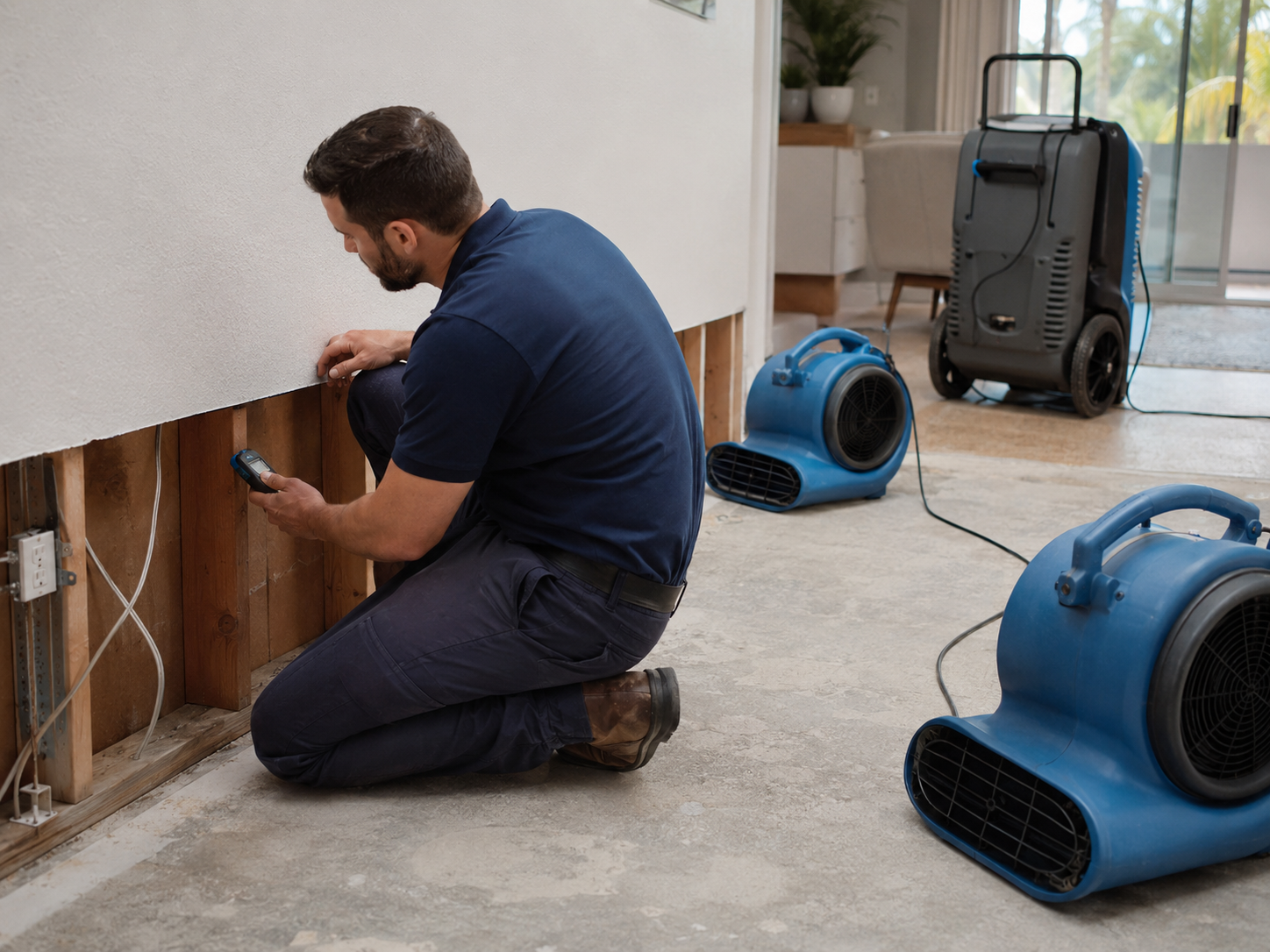
After bulk water is removed, the focus often shifts to drying the structure. Air movers increase airflow across wet materials and encourage evaporation. Dehumidifiers remove excess moisture from the surrounding air so that drying can continue under controlled conditions.
EPA guidance describes the use of water extraction, fans, and dehumidifiers as part of drying water-damaged materials. It also emphasizes rapid drying as an important part of moisture and mold control.
The exact equipment setup depends on the affected materials, the size of the area, indoor conditions, and how far the moisture has traveled. More equipment is not automatically better; the drying plan should respond to actual conditions in the property.
Why Moisture Detection Matters
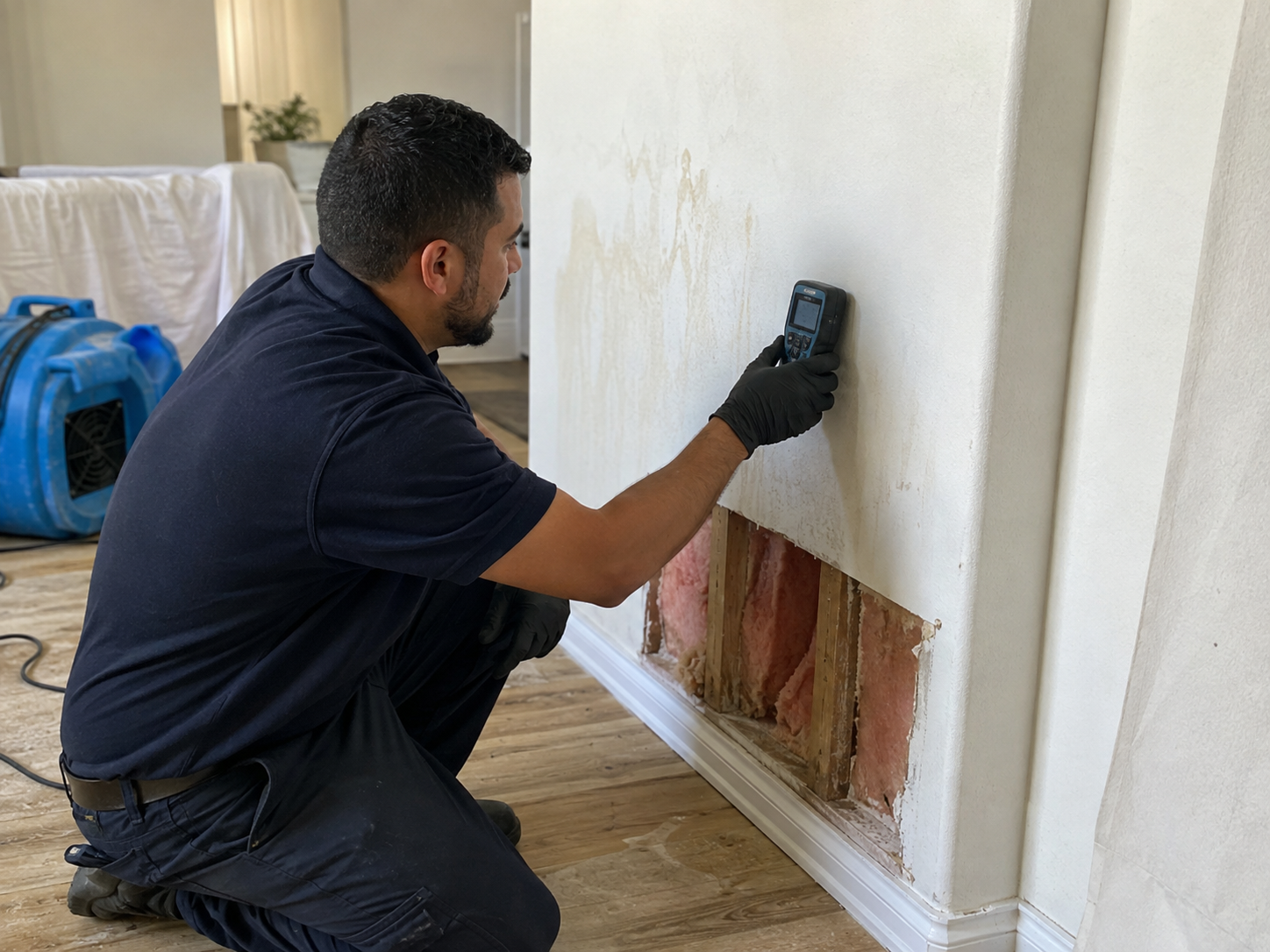
A major challenge with water damage is that moisture can hide. Water may migrate beneath finished flooring, behind baseboards, into wallboard, inside cabinets, or beneath other building materials.
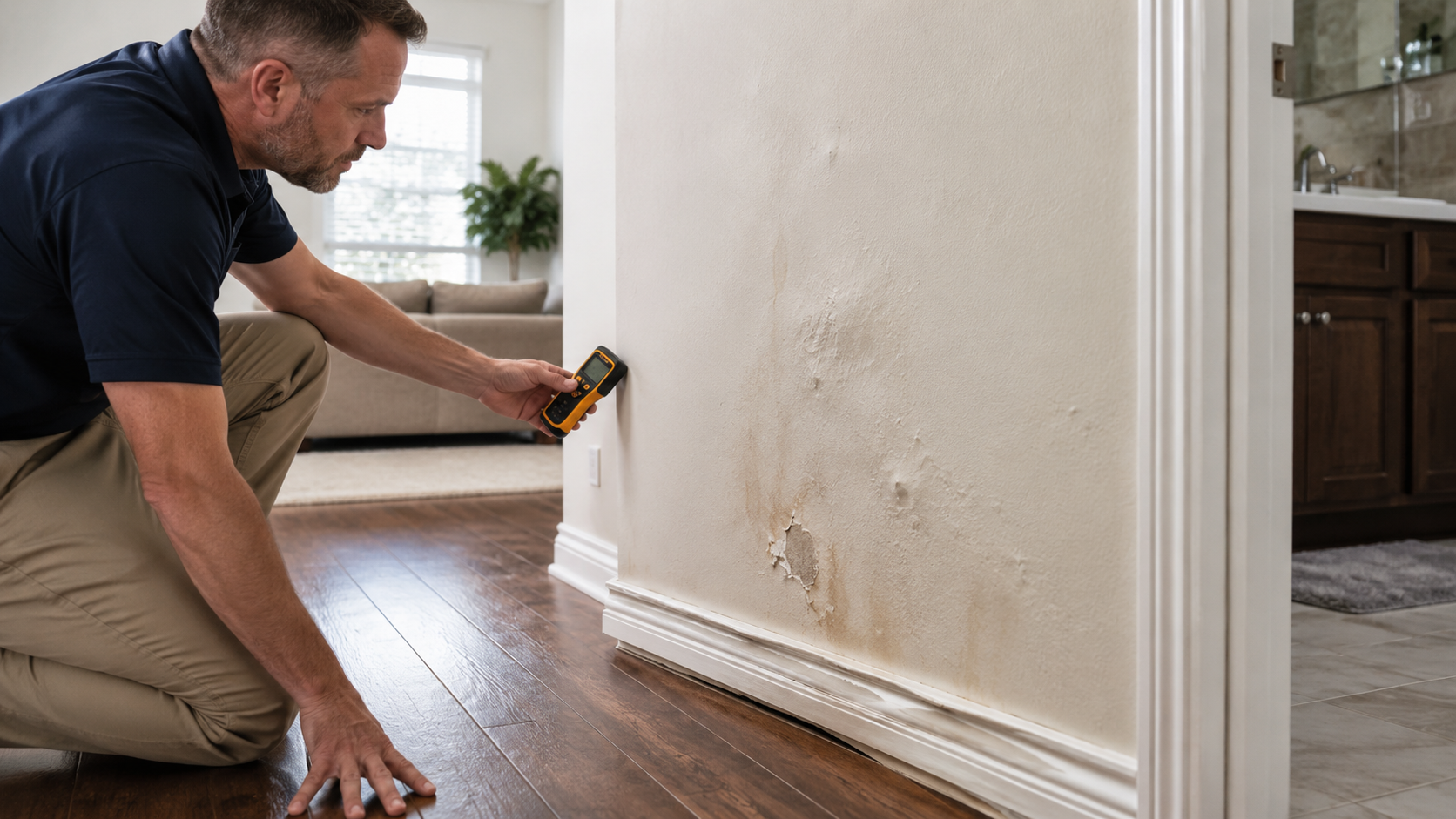
Technicians can use moisture meters and other tools to identify elevated moisture and monitor drying progress. Federal guidance recognizes moisture-detection devices as useful for assessing residual moisture in structural materials.
Without monitoring, it is easy to mistake a dry surface for a dry structure.
What Can Happen When Drying Stops Too Soon?
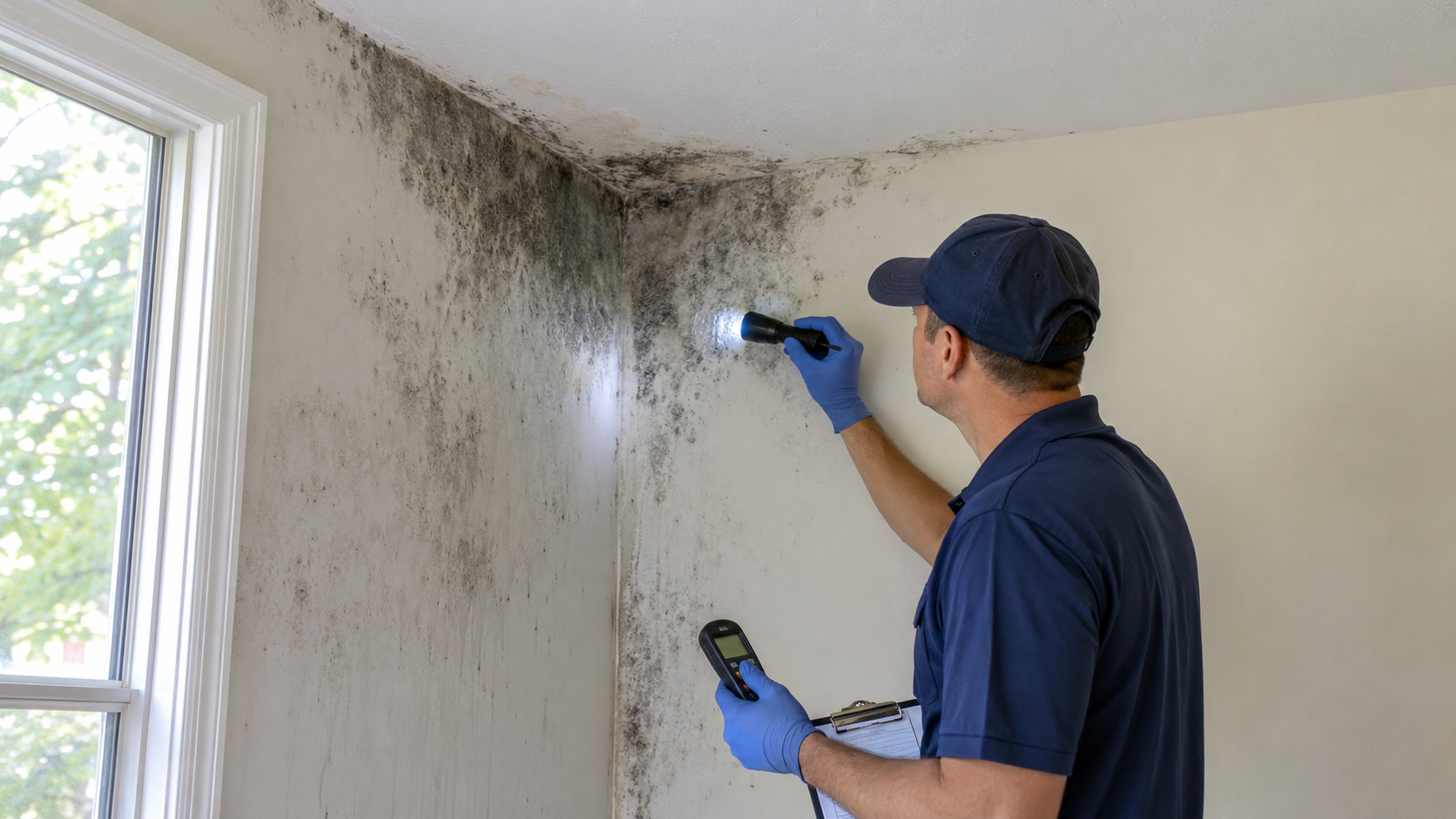
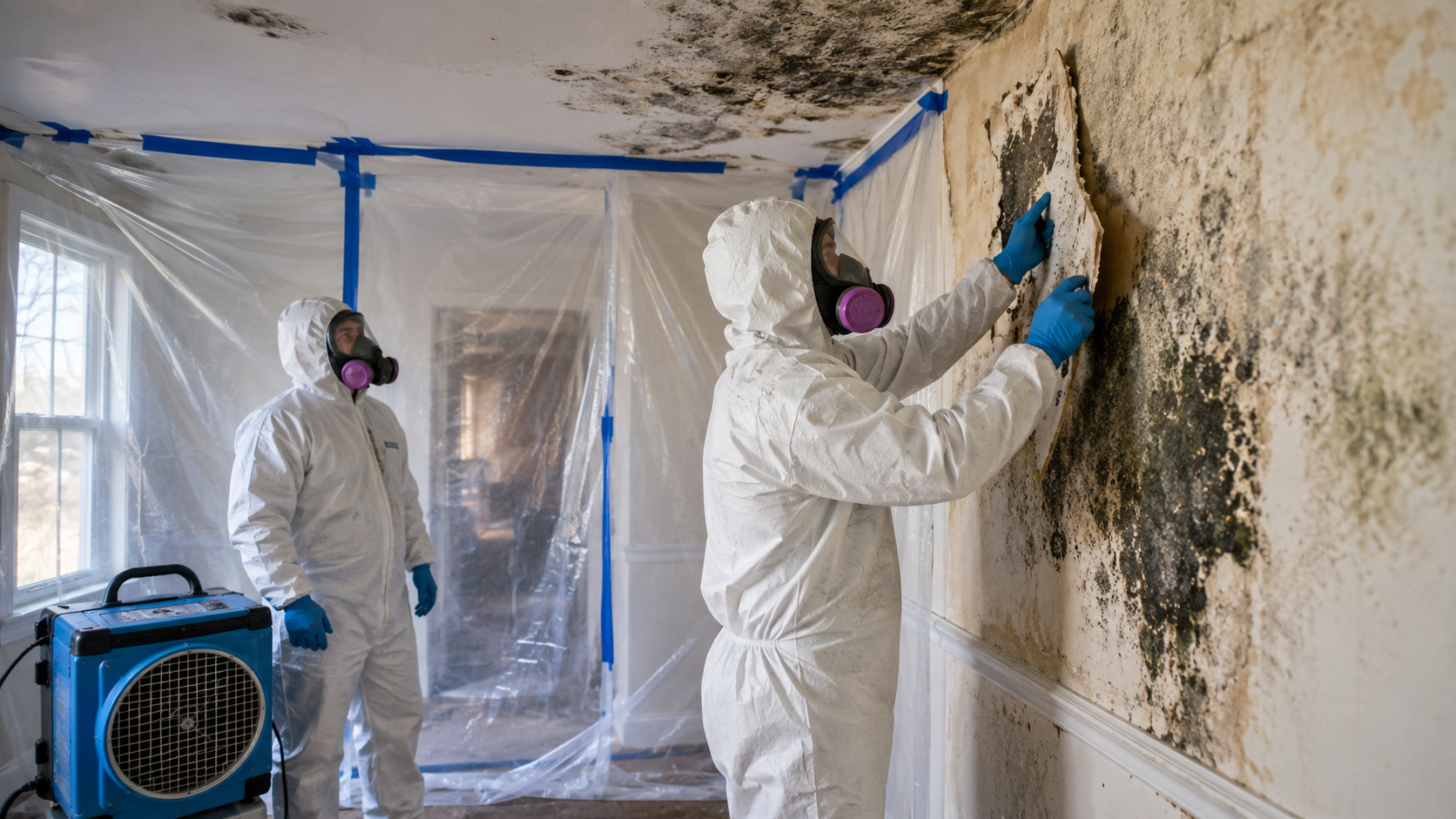
Residual moisture may contribute to swelling, staining, damaged finishes, odors, deterioration, and conditions that support mold growth. The CDC explains that mold can grow where moisture is present and that materials such as drywall, insulation, wood, carpet, and upholstery can support growth when they remain damp.
That is why a restoration project should not be considered complete simply because no puddles remain.
Extraction, Drying, and Restoration Work Together
A thorough water damage restoration process may involve identifying the source, extracting water, inspecting hidden areas, establishing airflow and dehumidification, taking moisture readings, determining which materials can be saved, removing materials that cannot be adequately restored, and completing necessary repairs.
Professional Water Damage Restoration in Commerce, CA
ASAP Restoration provides water damage restoration services for homes and businesses in Commerce, CA. Whether the problem involves a plumbing leak, appliance failure, or another water emergency, the goal should be more than making the property look dry—it should be addressing the moisture that may remain out of sight.
If visible water is gone but you are unsure whether the structure is actually dry, call ASAP Restoration for professional water damage restoration in Commerce, CA. A proper inspection and drying plan can help identify hidden moisture before it creates additional property damage.