What Happens If Water Damage Is Not Treated Quickly in Palisades, CA?
What Happens If Water Damage Is Not Treated Quickly in Palisades, CA?
Water damage rarely stays exactly where it starts. A small supply-line leak, overflowing appliance, roof leak, or plumbing problem can allow moisture to move into surrounding materials before a property owner realizes how far it has traveled. Acting quickly is one of the most important steps in limiting the scope of a water loss.
For homeowners and businesses looking for water damage restoration in Palisades, CA, understanding what can happen when moisture remains untreated can help explain why early inspection, extraction, and drying matter.
Water Can Spread Beyond the Visible Area
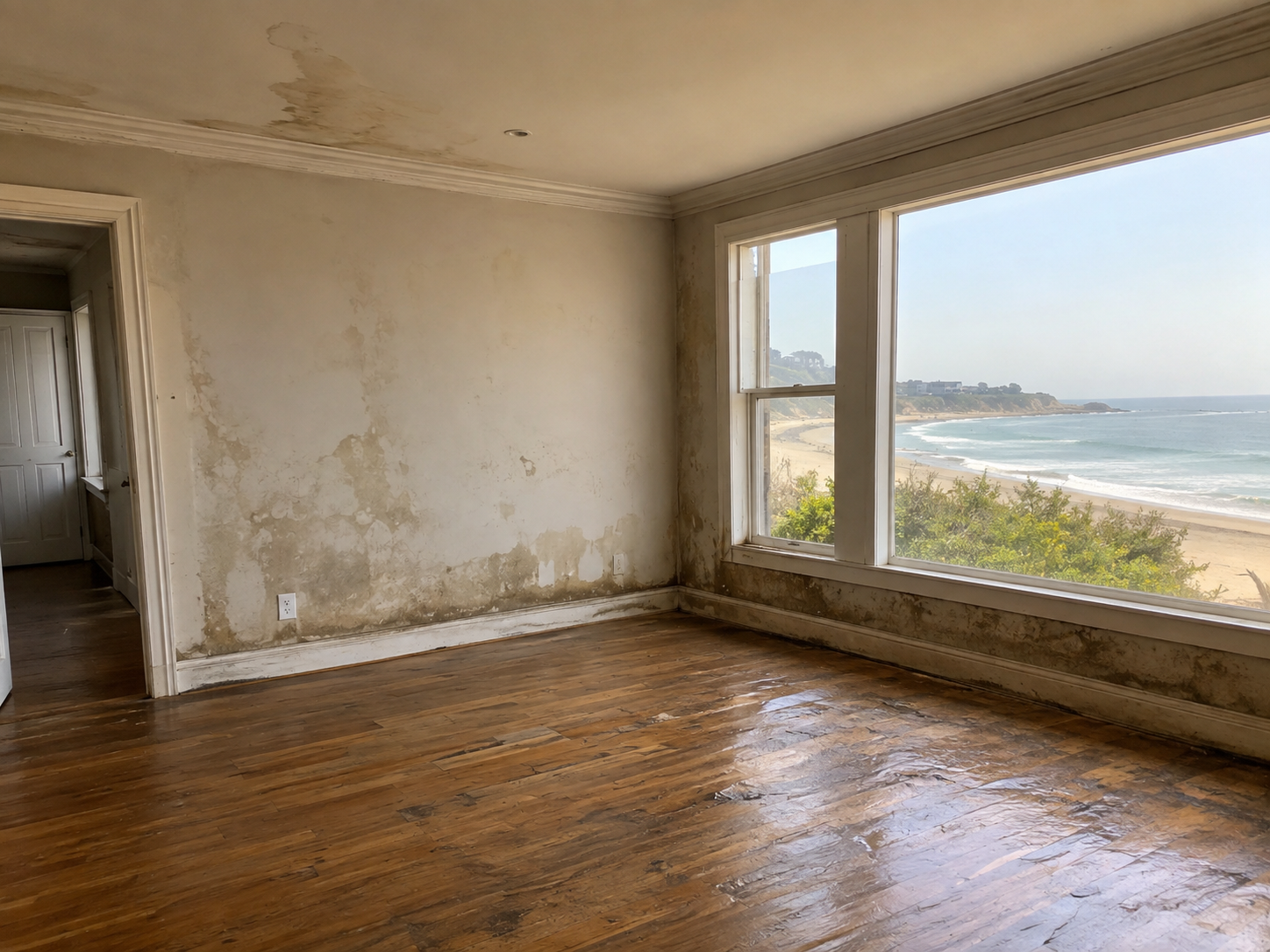
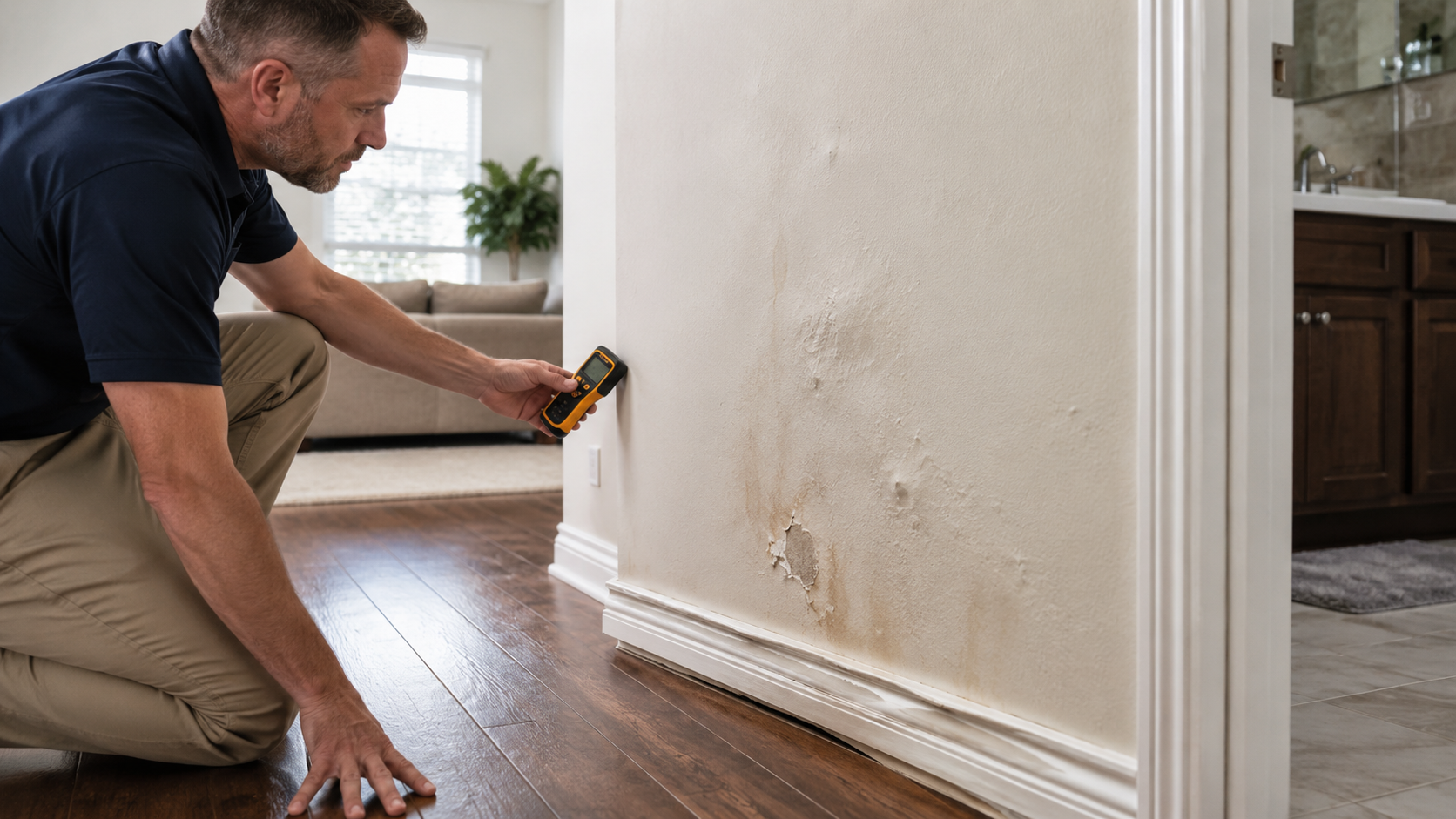
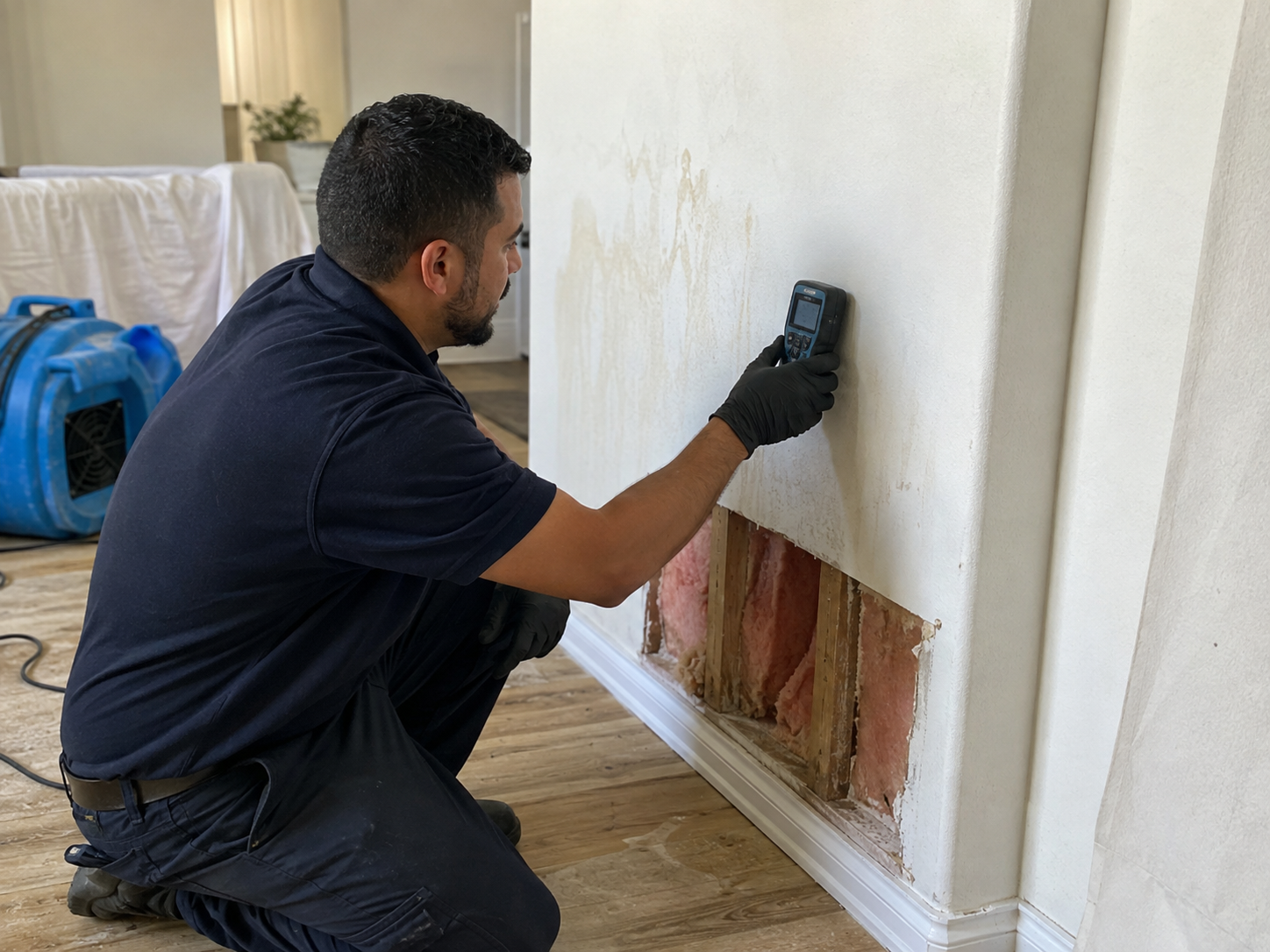
Building materials can absorb and transfer moisture. Drywall can wick water upward, wood can absorb it, and water can travel beneath flooring or into cabinets and wall cavities. This means the visible wet spot may represent only part of the affected area.
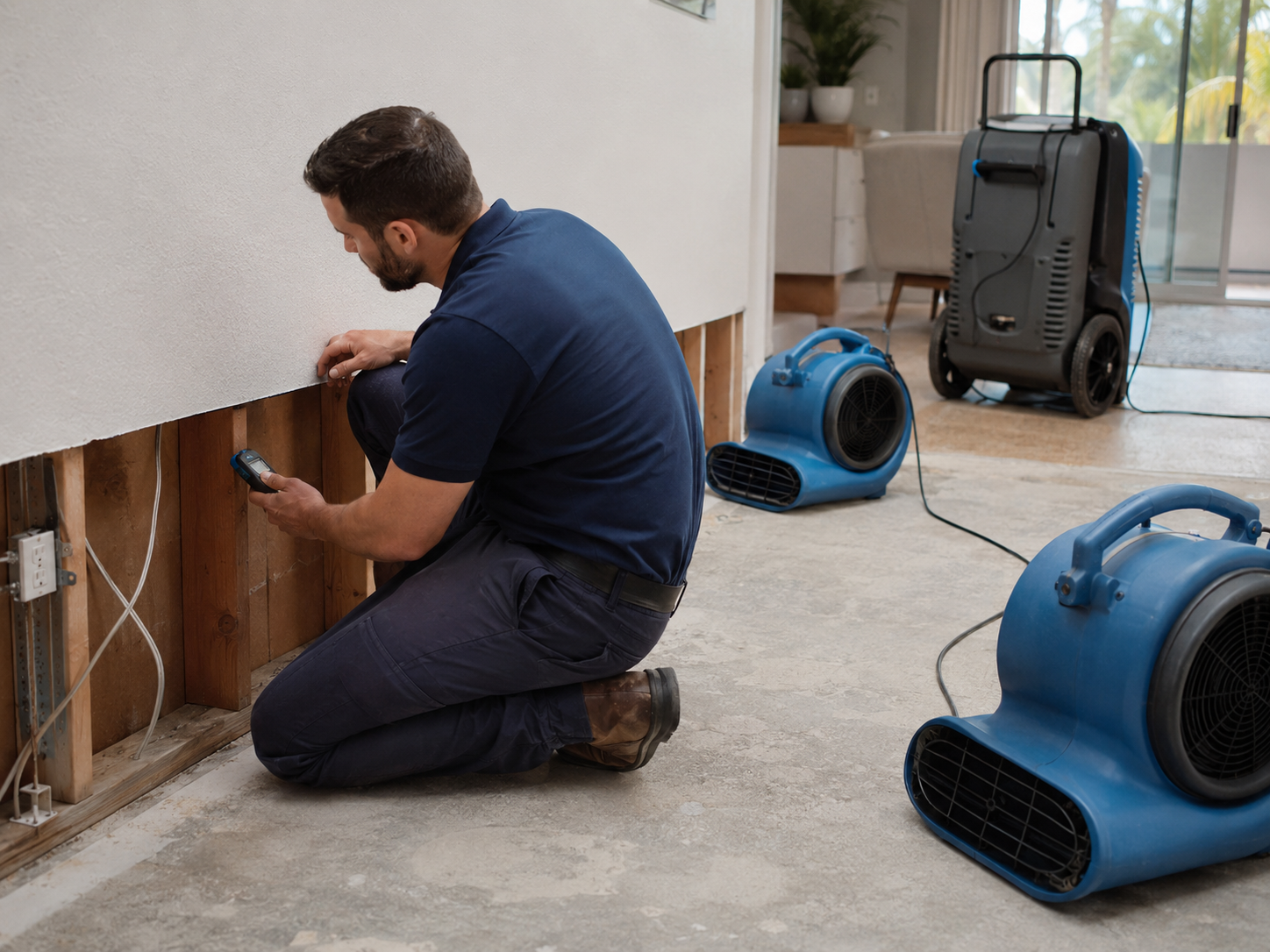
The longer water remains, the more opportunity it has to reach porous materials. A restoration professional can use moisture-detection equipment to evaluate areas that may not look wet from the surface.
Materials May Swell, Warp, Stain, or Lose Strength
Many common building materials are not designed to remain wet. Wood products may swell or distort. Drywall can soften or deteriorate. Flooring systems can develop cupping, separation, or adhesive problems depending on the material and severity of the loss. Cabinet components and trim can also absorb moisture and change shape.
Not every wet material has to be removed. Some materials may be dried successfully when the source is stopped and restoration begins promptly. The decision depends on factors such as the material, contamination level, duration of exposure, and whether the material can be dried effectively.
Odors and Indoor Dampness Can Develop
A damp building can begin to smell musty even when there is no standing water left. Moisture trapped beneath flooring, behind baseboards, inside wall cavities, or in insulation can keep indoor humidity elevated and create persistent odor problems.
Simply masking an odor does not address the underlying moisture. The source of the dampness must be located and corrected.
Mold Becomes a Greater Concern When Materials Stay Damp
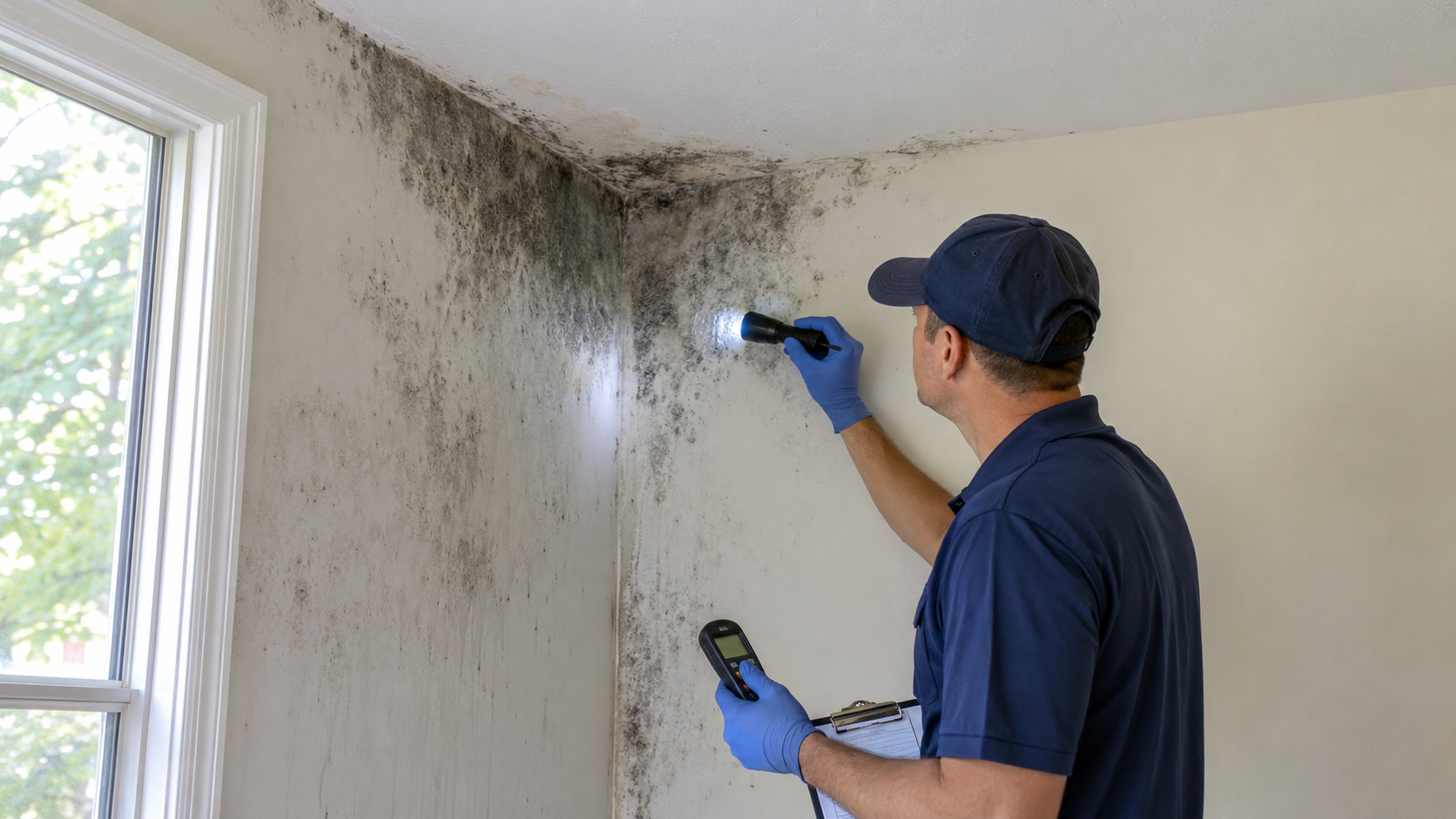
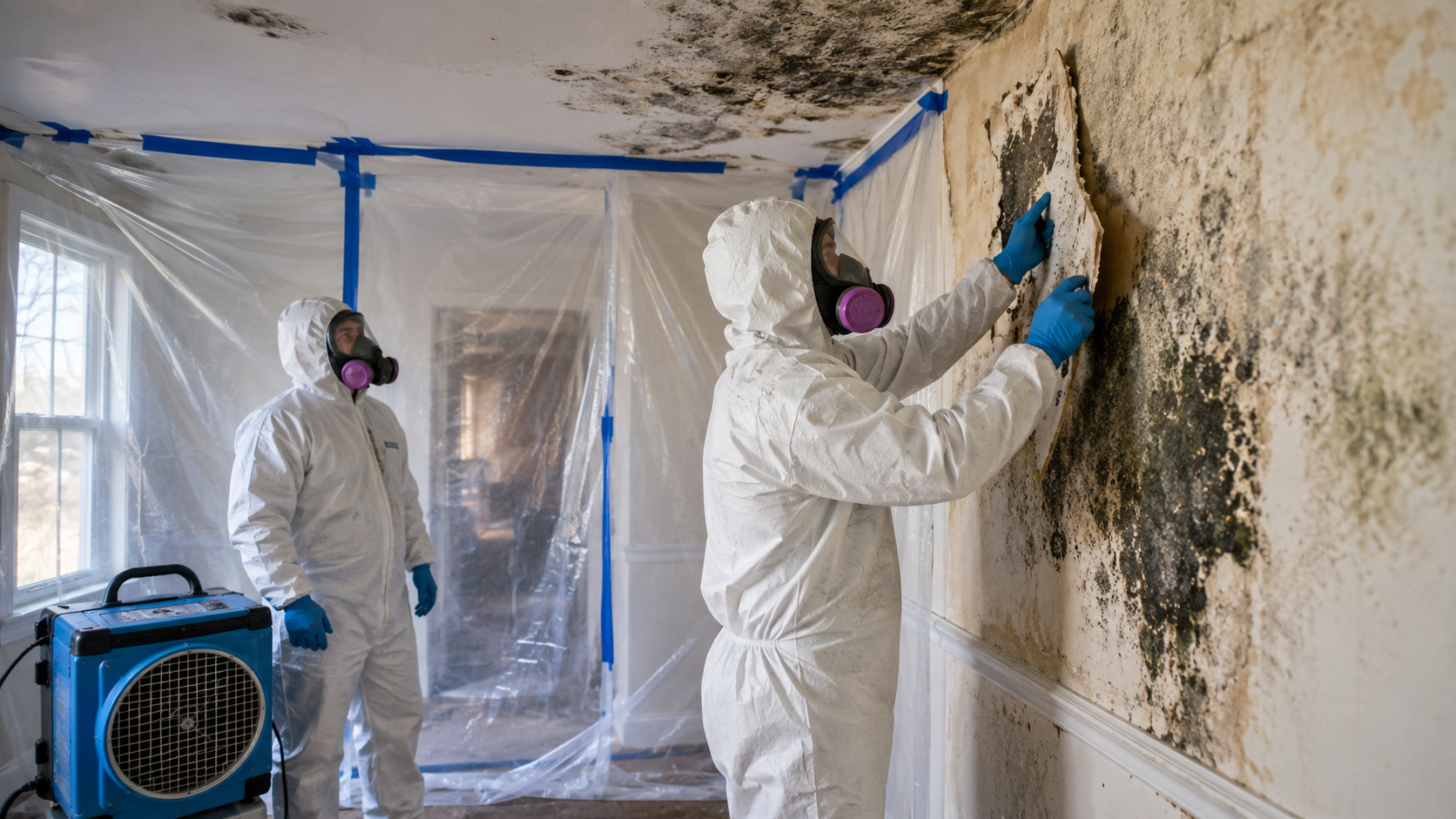
Mold requires moisture to grow. EPA and CDC guidance recommends drying water-damaged materials quickly—often within roughly 24 to 48 hours when possible—to reduce the opportunity for mold growth. The CDC also notes that excess moisture is a major cause of indoor mold growth.
This does not mean every water loss automatically produces mold after a fixed number of hours. Temperature, materials, prior conditions, and the extent of moisture all matter. It does mean that unnecessary delays can increase the risk of secondary problems.
A Small Leak Can Become a Larger Restoration Project
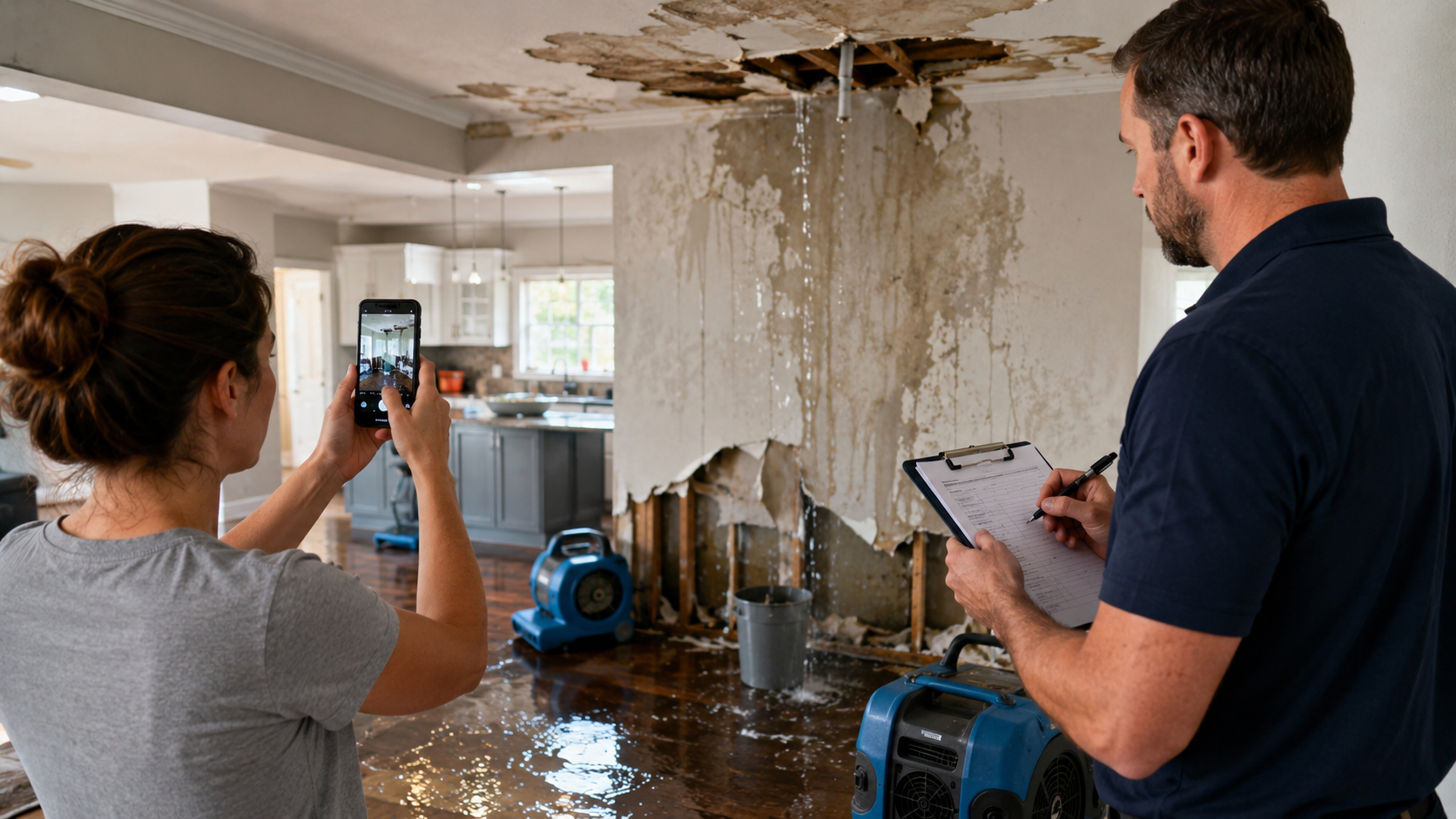
One reason fast water damage cleanup matters is that restoration is often easier when moisture is addressed before it spreads through additional materials. Early extraction and structural drying may help reduce the amount of material that ultimately requires repair or replacement.
Professional Water Damage Restoration in Palisades, CA
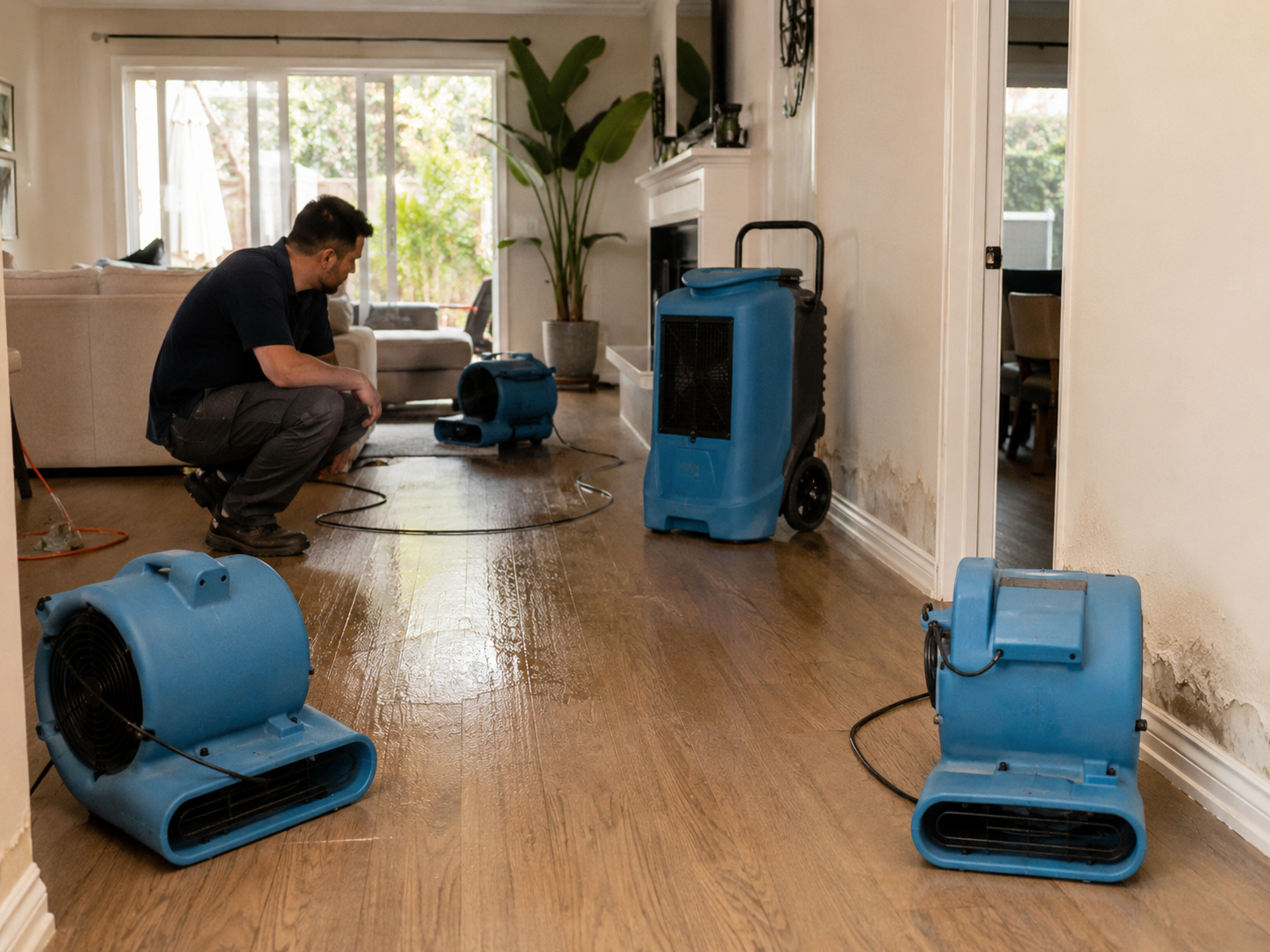
A complete response may include stopping or identifying the water source, extracting standing water, inspecting adjacent areas, measuring moisture, placing drying equipment, monitoring progress, removing unsalvageable materials when necessary, and completing restoration repairs.
ASAP Restoration provides emergency water damage cleanup and restoration services and serves Palisades within the Greater Los Angeles area.
If you discover a leak, overflow, or other water damage, avoid waiting for the area to “dry out” on its own. Call ASAP Restoration for professional water damage restoration in Palisades, CA, and begin protecting your property before hidden moisture turns a manageable problem into a larger one.