Why Air Movers and Dehumidifiers Matter During Water Damage Restoration in Downey, CA
Why Air Movers and Dehumidifiers Matter During Water Damage Restoration in Downey, CA
When a pipe breaks, an appliance overflows, or a roof leak sends water into a property, removing the standing water is only the beginning. Floors may look dry while moisture remains inside drywall, wood, subflooring, cabinets, insulation, and other porous materials. That is why professional water damage restoration in Downey, CA often includes both air movers and commercial dehumidifiers.
These machines perform different jobs, but they work together as part of a controlled structural drying process.
How Air Movers Help Wet Materials Dry
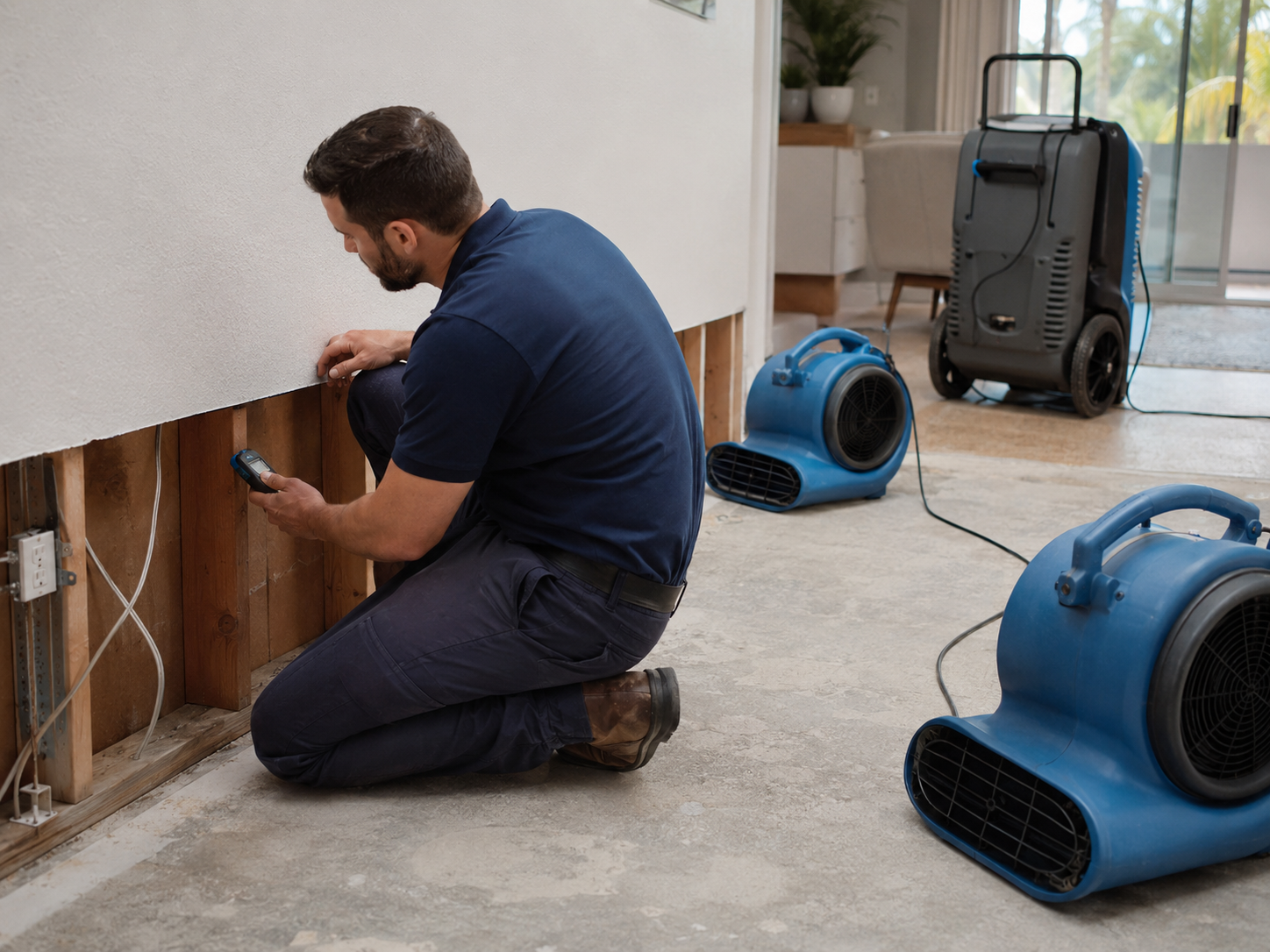
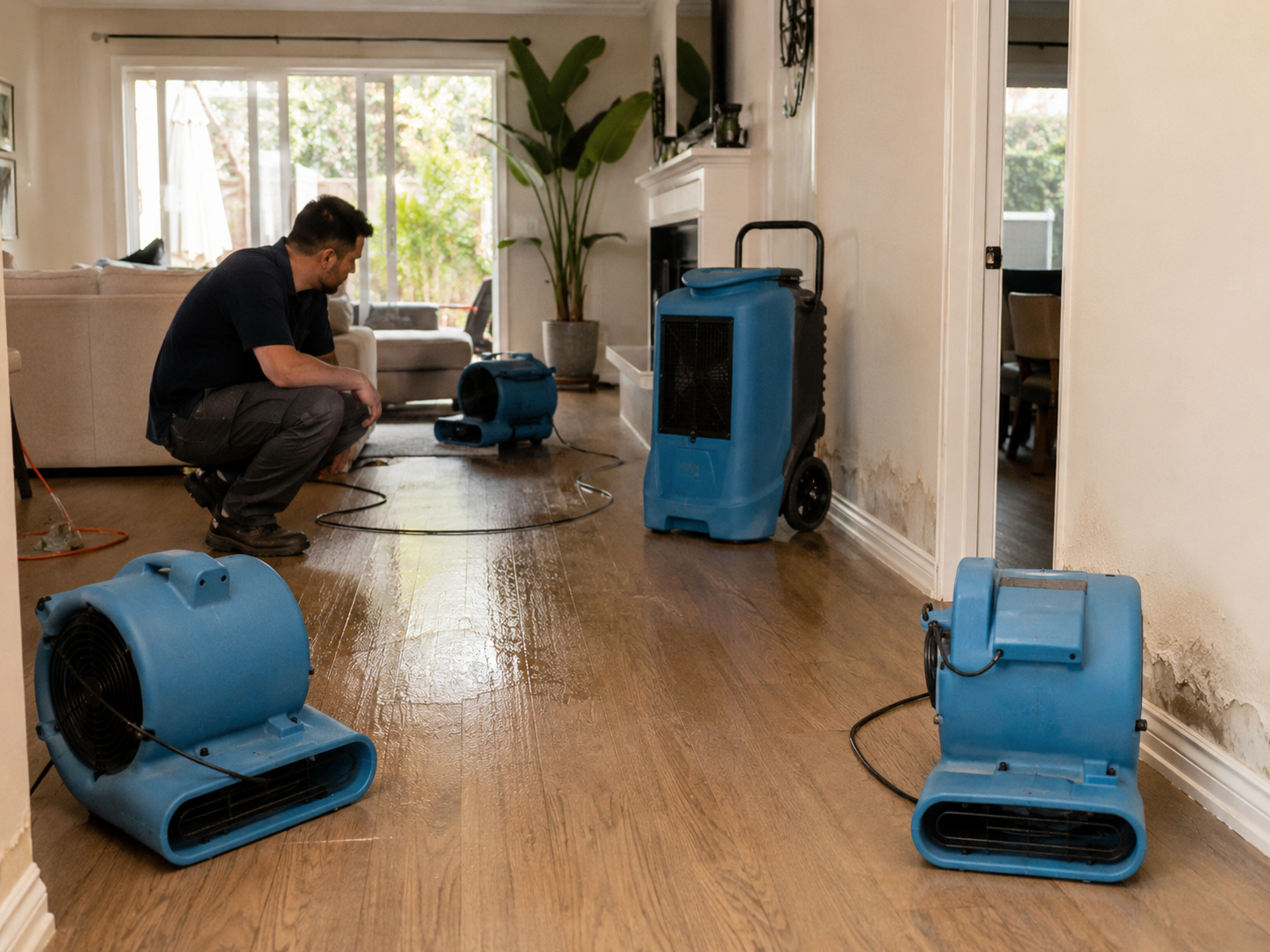
Air movers are designed to move a high volume of air across wet surfaces. As moving air passes over damp carpet, flooring, walls, framing, or other materials, it helps moisture evaporate from those materials into the surrounding air.
This matters because still air can slow evaporation. Properly positioned air movers create consistent airflow in affected areas, including along walls and floors. The number, placement, and operation of the units depend on the size of the loss, the materials involved, and the amount of moisture present.
A household fan may help with a small surface spill, but water damage can extend beyond what is visible. Restoration drying should be based on the actual moisture conditions inside the building, not simply on whether a surface feels dry.
What Commercial Dehumidifiers Do
As air movers encourage evaporation, the released moisture enters the indoor air. If that moisture is not removed, humidity can rise and slow the drying process.
Commercial dehumidifiers pull moisture from the air and collect or drain it away. By reducing excess humidity, they create conditions that allow additional moisture to leave wet building materials. In simple terms, air movers help move moisture out of materials, while dehumidifiers help remove that moisture from the air.
EPA guidance explains that dehumidifiers can reduce indoor humidity while fans can accelerate drying, and federal health guidance emphasizes drying wet materials quickly to reduce conditions that can support mold growth.
Why Moisture Monitoring Is Just as Important
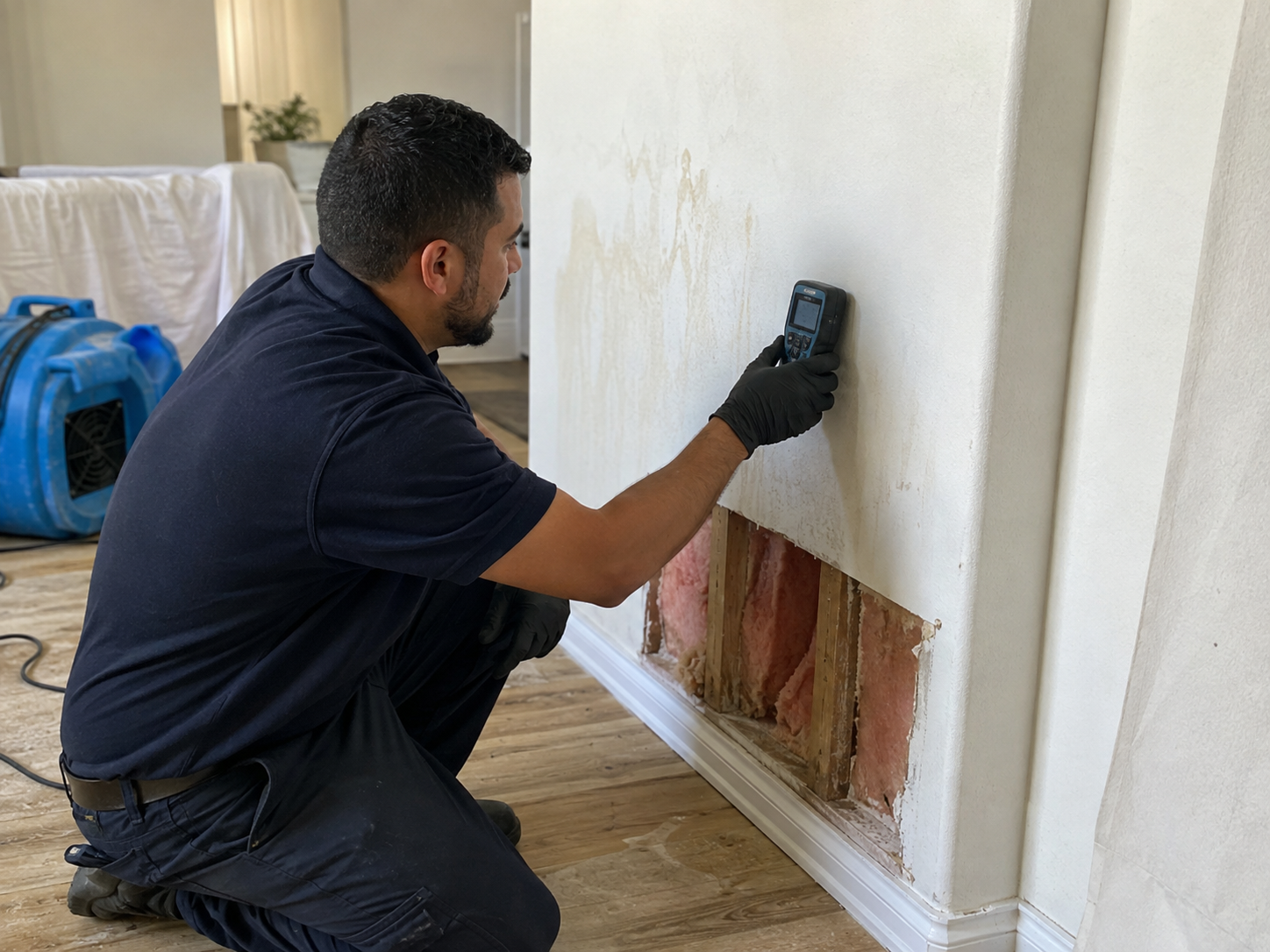
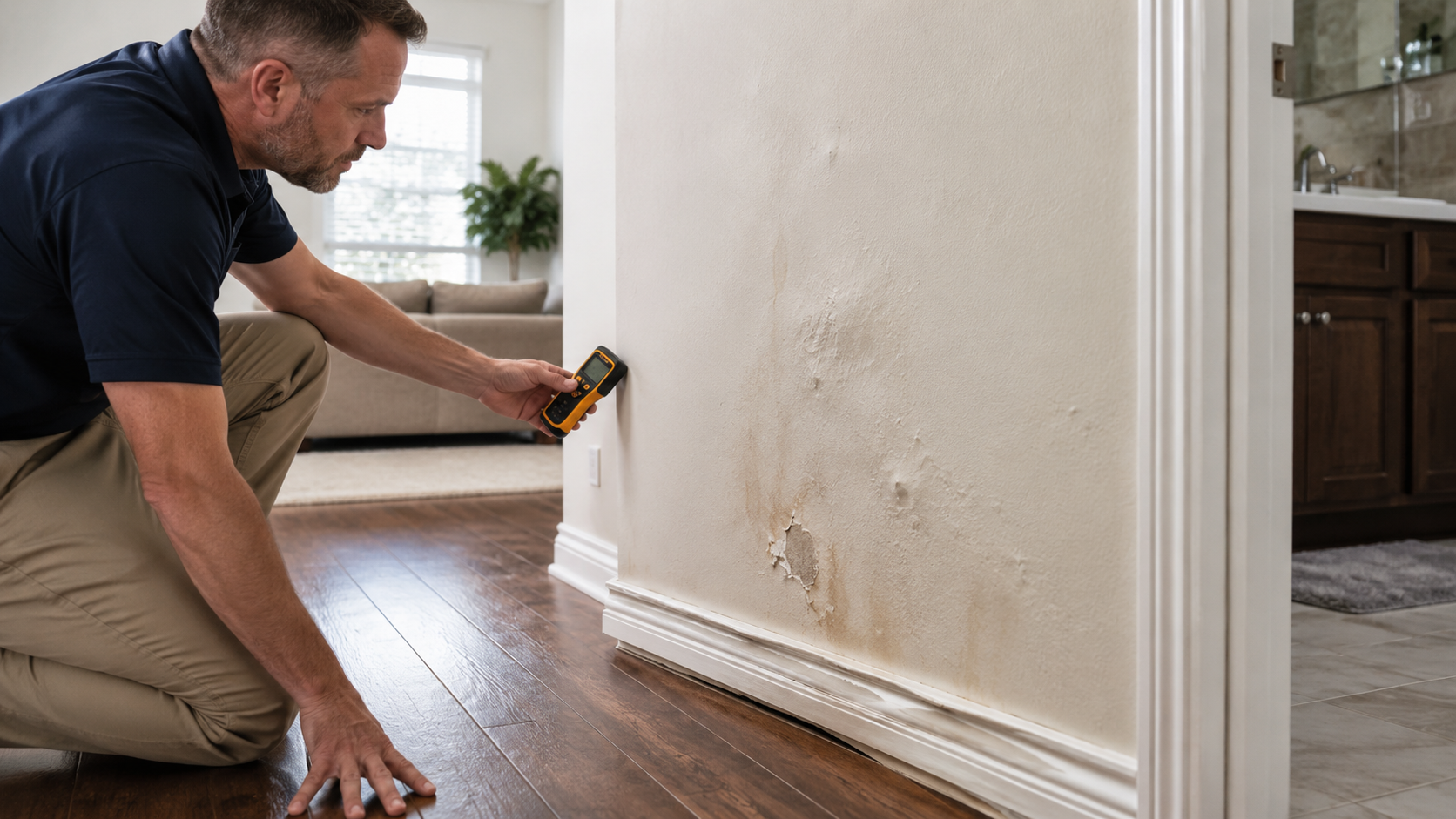
Drying equipment should not be placed and forgotten. Restoration technicians can use moisture meters and other detection tools to compare affected materials with appropriate dry areas and track drying progress.
A wall may look normal while the lower section of drywall, framing behind it, or nearby flooring still contains elevated moisture. Moisture readings help technicians determine whether drying is progressing and when materials have reached an acceptable condition. EPA guidance notes that moisture meters can be used after water damage and to monitor the progress of drying wet materials.
What Happens If Hidden Moisture Remains?
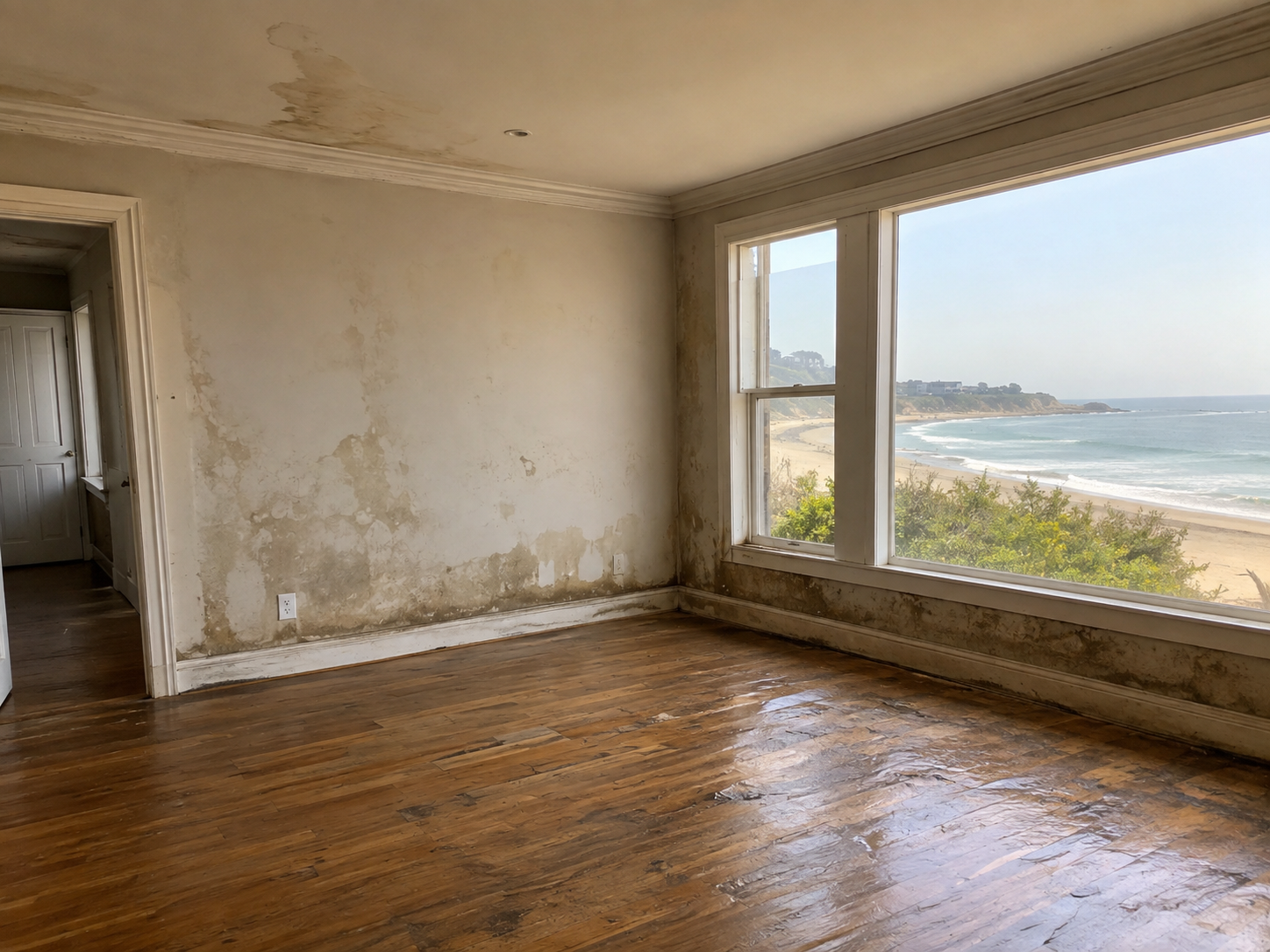
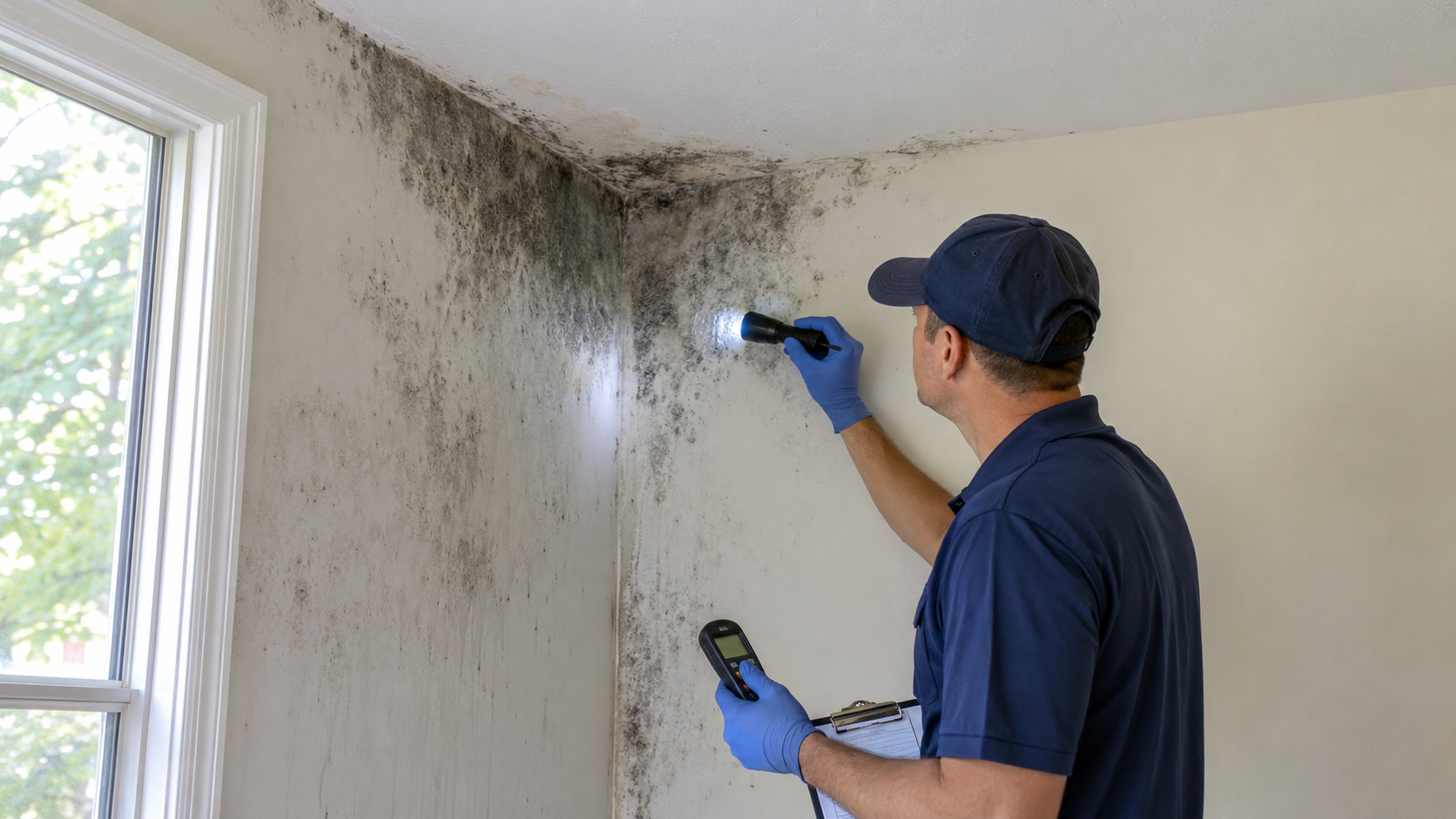
Lingering moisture can contribute to staining, swelling, odors, deterioration of finishes, damaged drywall, and conditions favorable to mold. The CDC notes that mold can grow on wet materials such as drywall, wood, insulation, carpet, and other building products, which is why correcting the moisture problem is essential.
Professional Water Damage Restoration in Downey, CA
Effective water damage restoration is not just about getting rid of puddles. It is about extracting water, identifying where moisture traveled, establishing the right drying conditions, and confirming that affected areas are actually drying.
ASAP Restoration provides water extraction, structural drying, drying equipment, moisture monitoring, and restoration services for customers in Downey and throughout the Greater Los Angeles area.
If your property has experienced a leak, overflow, or other water emergency, do not assume that a dry-looking surface means the problem is over. Call ASAP Restoration for professional water damage restoration in Downey, CA, and get the affected areas properly evaluated and dried.