Mold Removal After Water Damage in Los Angeles
How Mold Develops After Water Damage in Los Angeles Homes
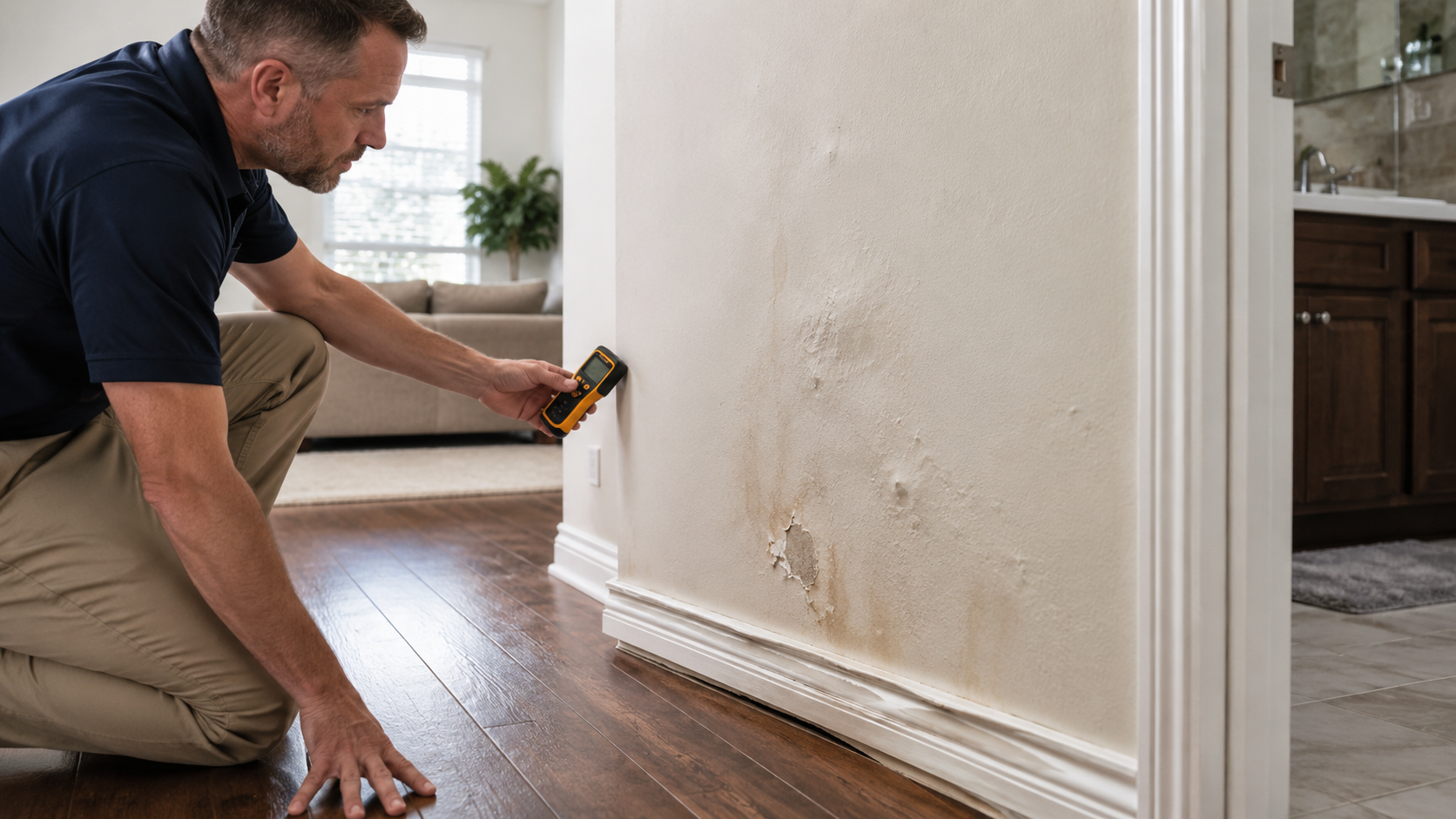
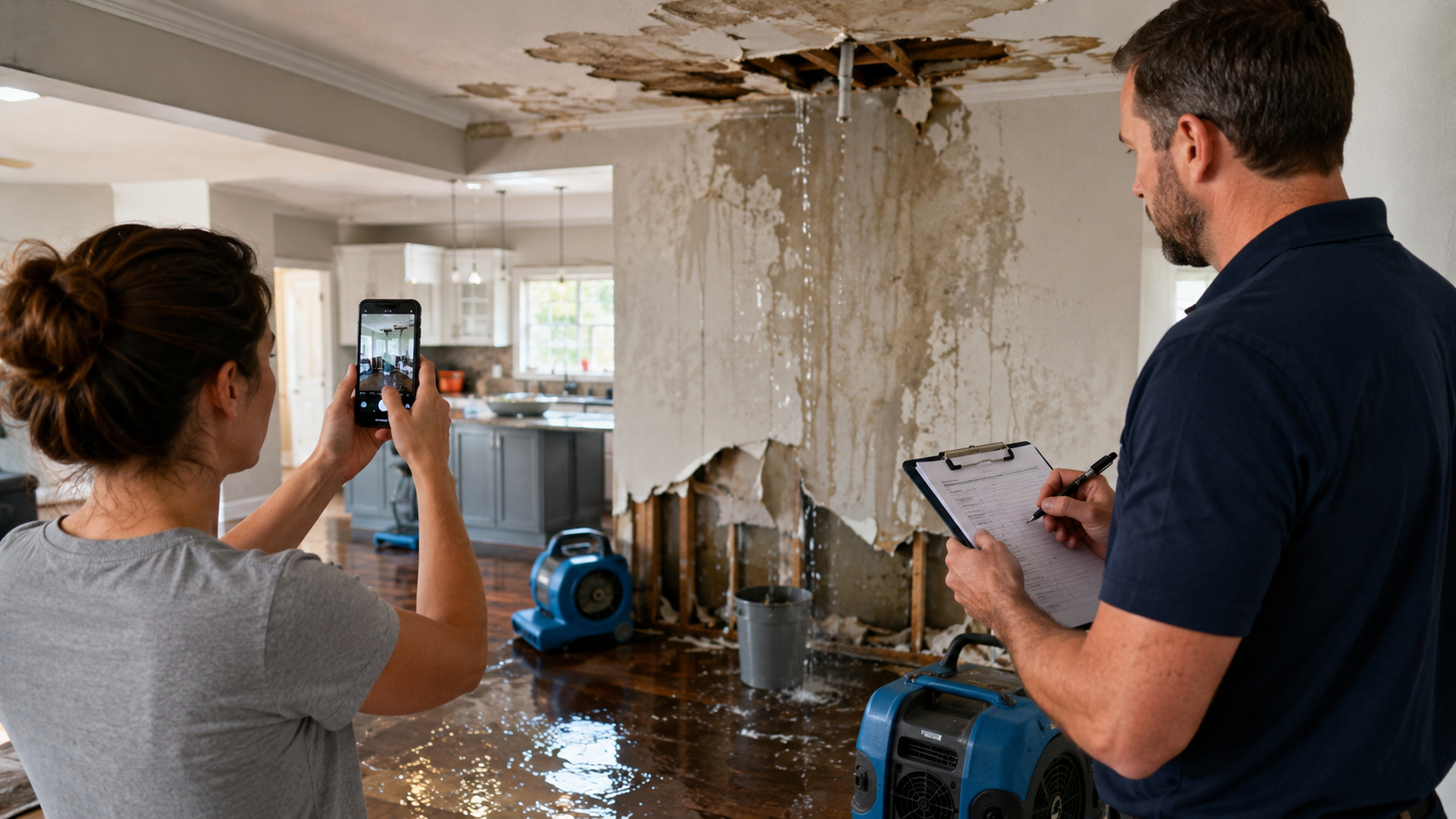
Water damage and mold problems often go hand in hand. A leaking pipe, overflowing appliance, or flooded bathroom can introduce moisture into materials that were never designed to stay wet.
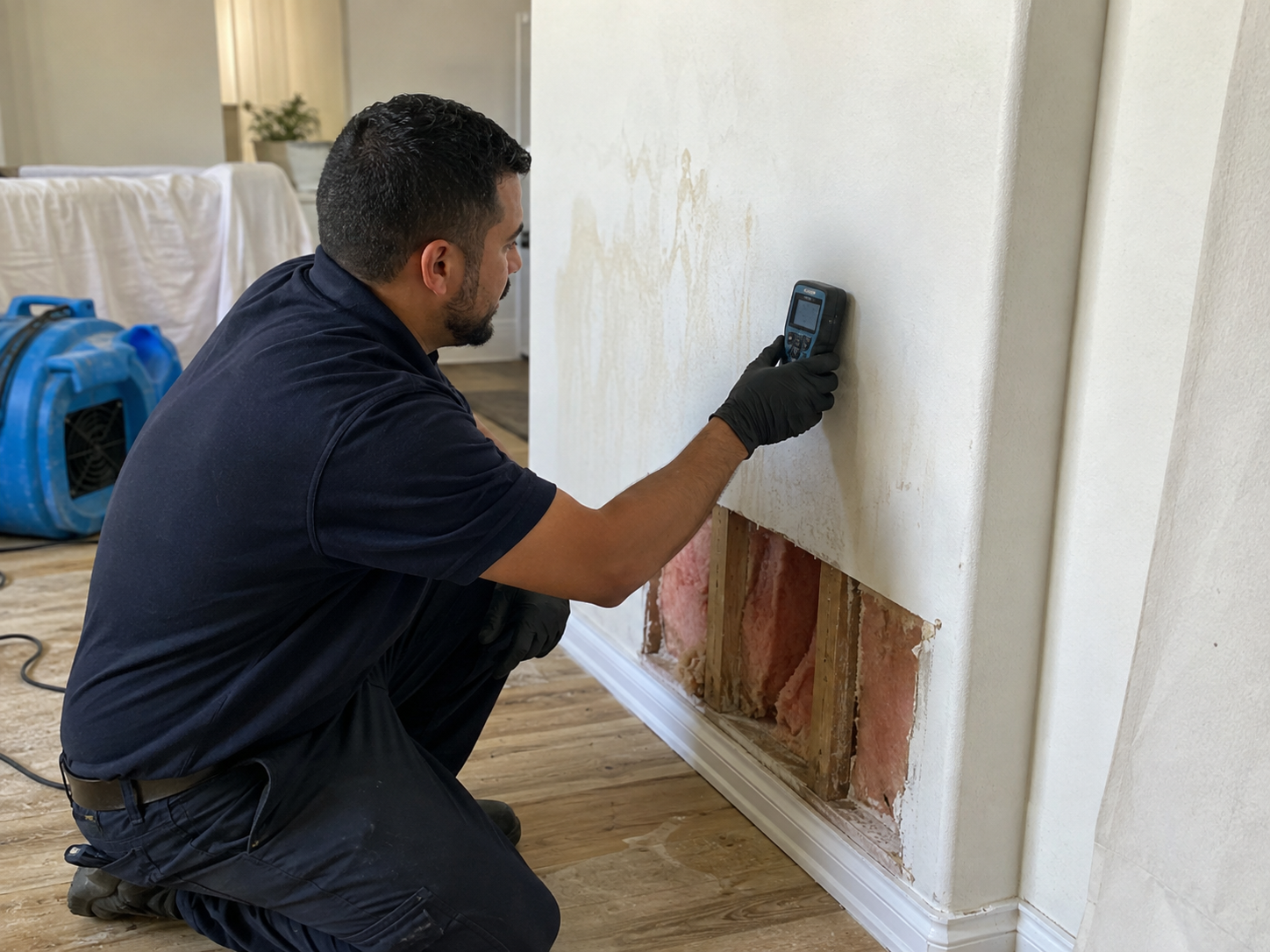
Even after the visible water has been removed, damp drywall, flooring, or insulation may create conditions that allow mold to grow.
For homeowners throughout Los Angeles, recognizing the relationship between moisture and mold is an important part of protecting their properties.
How Quickly Can Mold Develop After Water Damage?
Mold spores are naturally present in indoor and outdoor environments.
When moisture accumulates on suitable materials, mold may begin growing within 24 to 48 hours under favorable conditions.
However, the actual timing depends on temperature, humidity, the materials involved, and how long they remain wet.
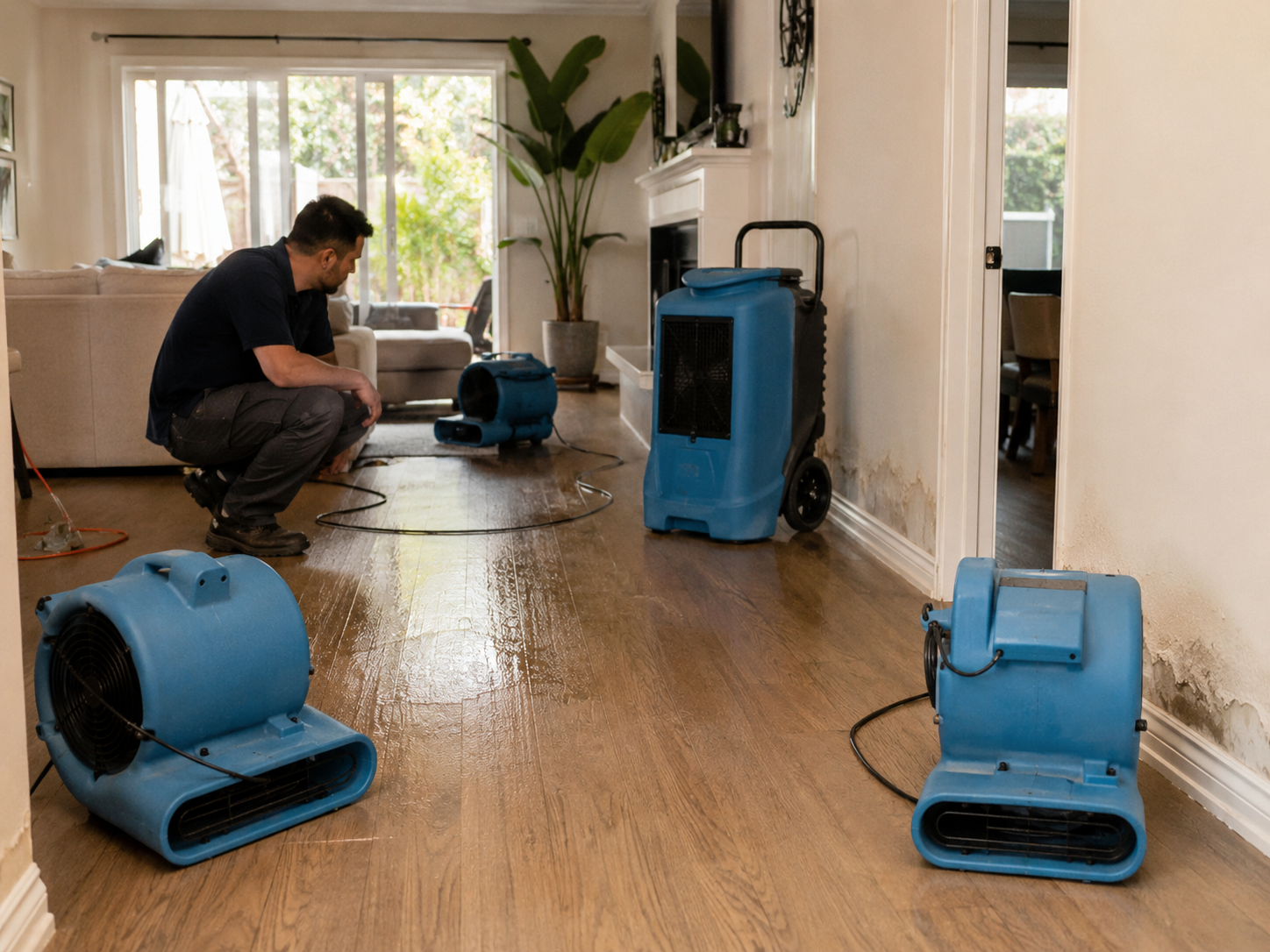
This is why prompt water extraction and structural drying are important after a leak or flood.
Common Places Mold Grows After a Leak
Mold can develop in areas where moisture becomes trapped and air circulation is limited.
Common locations include behind bathroom walls, beneath kitchen sinks, under flooring, around window frames, and inside water-damaged wall cavities.
Crawlspaces may also experience mold problems when moisture accumulates beneath the home.
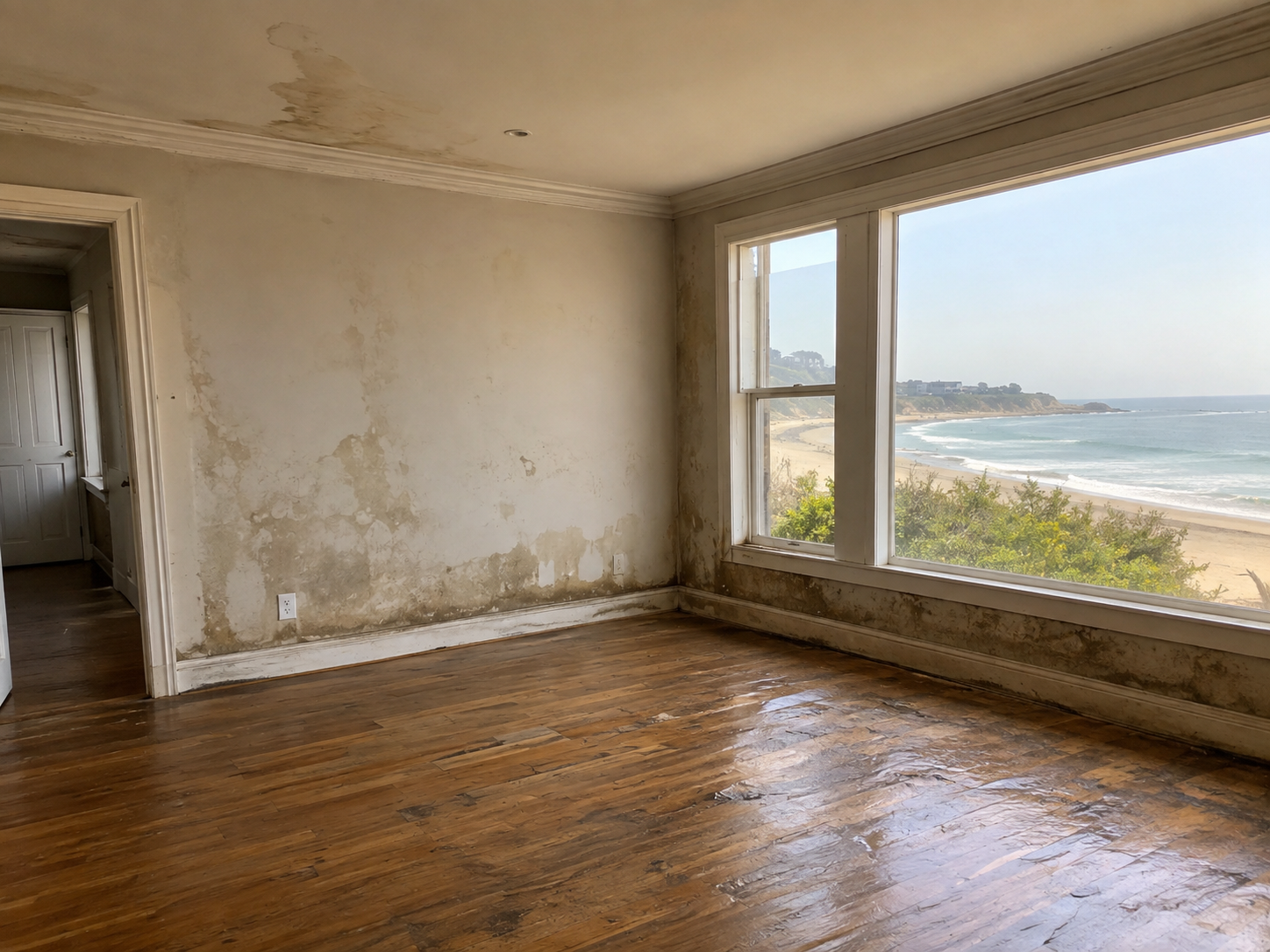
Some mold growth is visible as discoloration on surfaces, while other
contamination remains concealed.
Signs Your Home May Need Mold Remediation
A persistent musty odor is one of the most common warning signs of a possible mold problem.
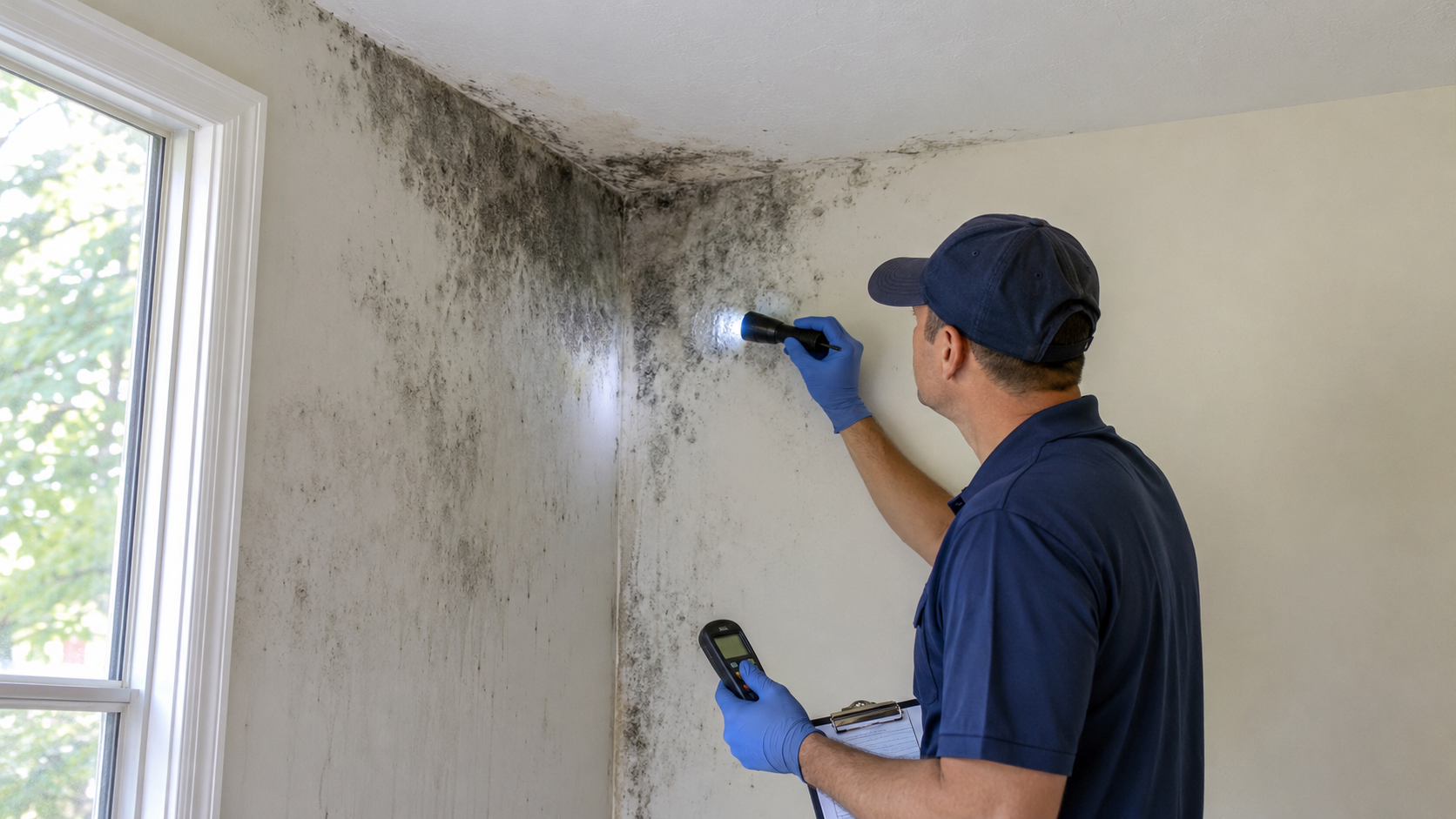
Other signs may include visible growth, recurring discoloration, damp building materials, and evidence of previous water intrusion.
Homeowners should pay particular attention to areas where plumbing leaks or flooding have occurred.
Not every stain indicates mold, but unexplained moisture and suspected growth should be evaluated.
Why Mold Removal Must Address the Moisture Source
Cleaning visible mold without correcting the underlying moisture problem may lead to recurring growth.
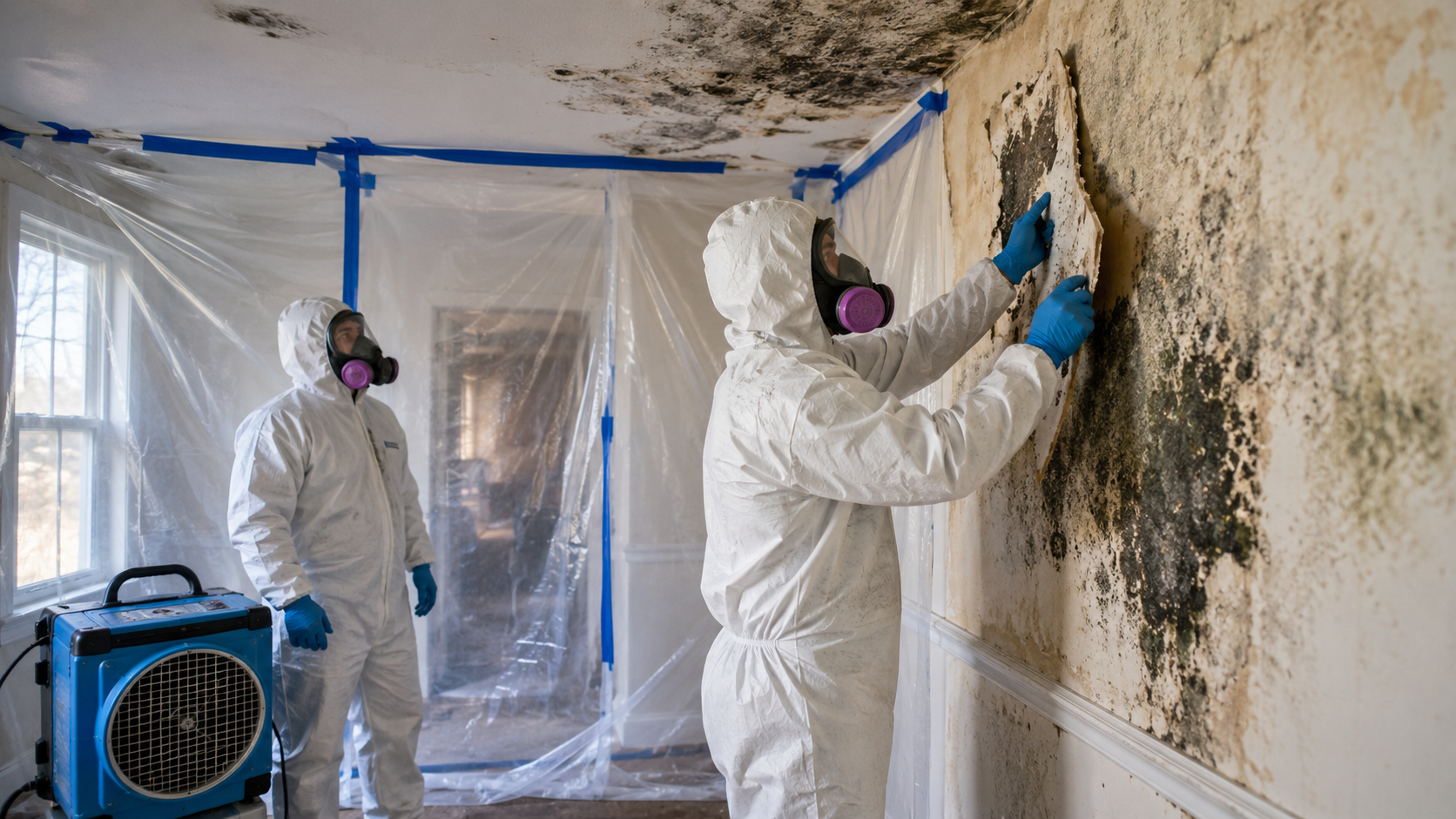
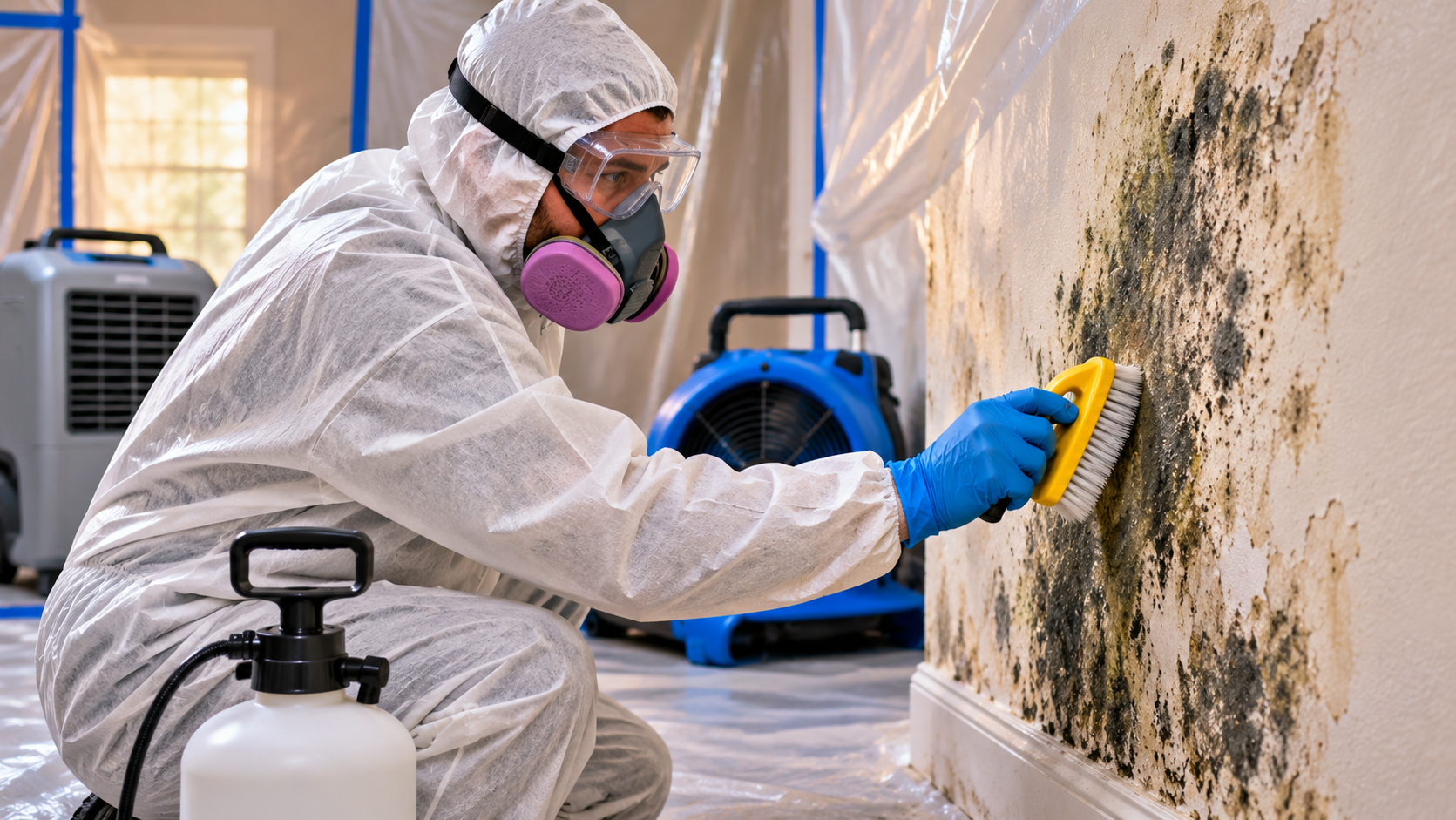
Professional remediation involves evaluating the affected materials, identifying contamination, and determining appropriate removal and cleaning procedures.
Depending on the conditions, damaged porous materials may need to be removed. Other surfaces may be cleaned using suitable containment and remediation methods.
The original water source must also be corrected to reduce the risk of future
problems.
Preventing Mold After Water Damage
The most important preventive step is addressing moisture promptly.
Repair plumbing leaks, remove standing water, and make sure affected materials are appropriately dried.
Maintain indoor humidity at reasonable levels and investigate recurring condensation or dampness.
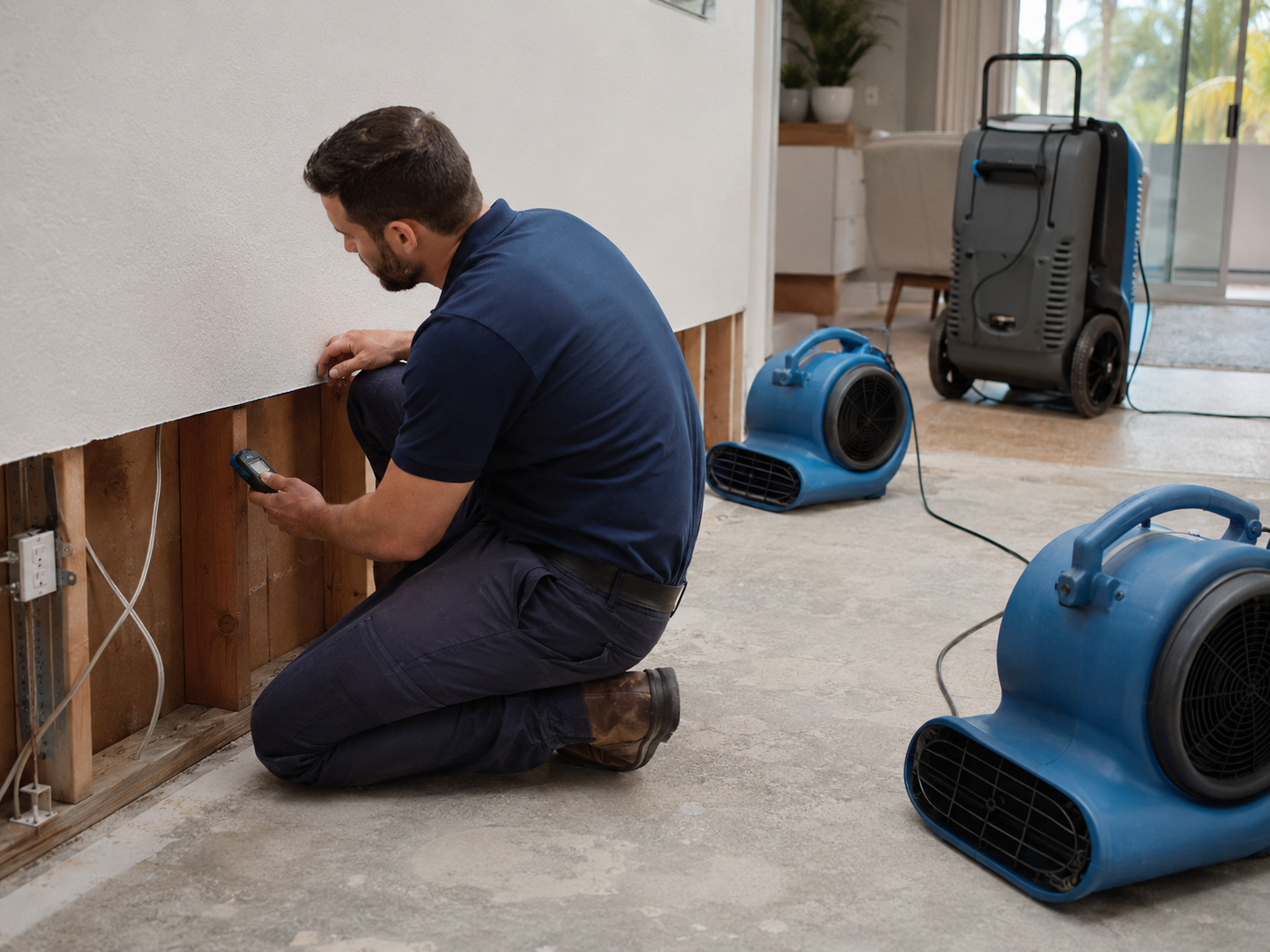
For significant water damage, professional moisture monitoring can help confirm that affected materials have reached appropriate drying goals.
Professional Mold Removal in Los Angeles, CA
ASAP Restoration Services provides professional mold remediation, water damage cleanup, and structural drying throughout Greater Los Angeles.
Our team evaluates moisture-related damage and develops restoration plans based on the conditions of each property.
Whether mold has developed following a plumbing leak, flooding, or ongoing moisture intrusion, professional attention can help address the contamination and the conditions contributing to it.
For mold remediation and water damage restoration in Los Angeles, contact ASAP Restoration Services at 310-340-7257.