Summer Fire Risks: Protecting Your Home During Dry Seasons
Summer Fire Risks: Protecting Your Home During Dry Seasons -Los Angeles, CA
Summer brings warm weather, longer days, and more outdoor activities, but it also increases the risk of wildfires and accidental home fires. Dry conditions, high temperatures, and strong winds create the perfect environment for fires to ignite and spread quickly. At ASAP Restoration, we specialize in fire damage restoration in Los Angeles, CA, helping homeowners prevent and recover from fire-related disasters.
Understanding the risks and taking proactive steps can help protect your home and family during the dry season.
Common Summer Fire Hazards
1. Wildfires and Dry Vegetation
During summer, prolonged heat and little rainfall cause grass, shrubs, and trees to dry out, making them highly flammable. Wildfires can start from natural causes like lightning or human activities such as discarded cigarette butts, fireworks, and outdoor grilling.
Prevention Tips:
- Keep trees and shrubs trimmed to create a defensible space around your home.
- Remove dead leaves, dry grass, and other flammable debris from your yard.
- Use fire-resistant landscaping materials such as gravel, rocks, or moisture-rich plants.
2. Outdoor Grilling and Fire Pits
Backyard barbecues are a summer favorite, but unattended grills and fire pits can quickly become fire hazards.
Prevention Tips:
- Keep grills at least ten feet away from your home, deck, or overhanging branches.
- Never leave a grill unattended while in use.
- Clean grease buildup from the grill to prevent flare-ups.
- Always have a fire extinguisher or water source nearby when using fire pits.
3. Electrical Overloads and Air Conditioning Units
Increased use of air conditioners, fans, and outdoor lighting during summer can put extra strain on your electrical system, increasing the risk of electrical fires.
Prevention Tips:
- Avoid overloading electrical outlets and extension cords.
- Inspect air conditioning units for frayed wires or overheating.
- Unplug appliances when not in use.
- Hire a professional to inspect your electrical system if you notice flickering lights or tripped breakers.
4. Fireworks and Open Flames
Fireworks are a common cause of fires during summer, especially around the Fourth of July. Open flames from candles and tiki torches also pose risks when placed near flammable objects.
Prevention Tips:
- Avoid using fireworks near dry grass, homes, or wooded areas.
- Keep a bucket of water or hose nearby when using fireworks or open flames.
- Never allow children to handle fireworks or sparklers unsupervised.
5. Vehicle Fires
High summer temperatures and mechanical issues can lead to vehicle fires, especially if flammable materials are stored inside.
Prevention Tips:
- Regularly check your car’s cooling system and fluid levels.
- Avoid leaving aerosol cans, lighters, or flammable liquids inside a parked car.
- If your vehicle smells like burning rubber or smoke, have it inspected immediately.
How to Fireproof Your Home
Taking a few precautions can significantly reduce the risk of summer fires affecting your home.
Create a Defensible Space
A defensible space is an area around your home designed to slow or stop the spread of fire.
- Maintain at least 30 feet of clearance between your home and dry vegetation.
- Store firewood, propane tanks, and flammable materials away from your house.
- Install ember-resistant vent covers to prevent airborne embers from entering your home.
Install Fire Safety Systems
- Equip your home with smoke detectors in every room and test them regularly.
- Keep fire extinguishers in key areas such as the kitchen and garage.
- Install a sprinkler system or have an emergency water source available.
Have an Emergency Plan
- Create a fire escape plan and practice it with your family.
- Prepare an emergency kit with essential documents, medications, and supplies.
- Know multiple evacuation routes in case of wildfires.
What to Do If Your Home is Affected by Fire
If a fire damages your home, acting quickly can help minimize losses and speed up recovery.
Steps to Take After a Fire:
- Ensure Safety First – Wait for authorities to confirm it is safe to return home.
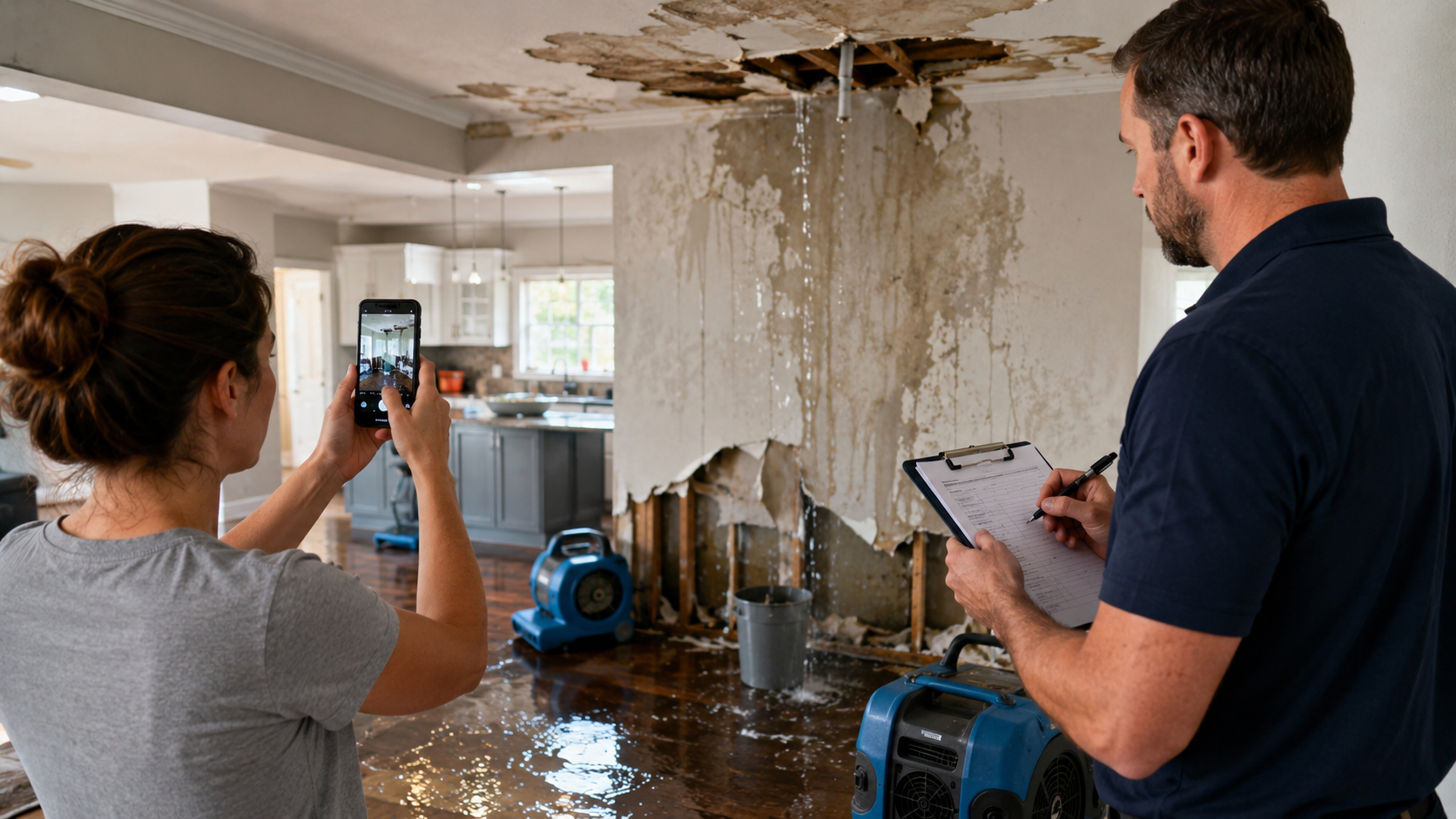
- Document the Damage – Take photos and videos for insurance purposes.
- Call a Professional Fire Restoration Service – ASAP Restoration provides 24/7 emergency fire damage restoration in Los Angeles, CA to clean, repair, and restore your home.
Stay Safe This Summer with ASAP Restoration
Fire damage can be devastating, but taking precautions can help protect your home and loved ones. If your home has been affected by a fire, ASAP Restoration is here to help with expert fire damage restoration services in Los Angeles, CA.